

High Speed Door Cost Guide 2026: Pricing Factors, Types, and Installation Costs Explained
Understanding high speed door cost is an important step, when planning a warehouse, factory, or cold chain facility. The price can vary depending on the door type, size, control system, safety options, and application environment.
A high speed fabric door is more than an entrance solution. It helps improve workflow, reduce energy loss, control dust, and support safer operation in industrial areas. In this guide, we will explain the main factors that affect high speed door cost and help you choose the right solution for your facility and budget.
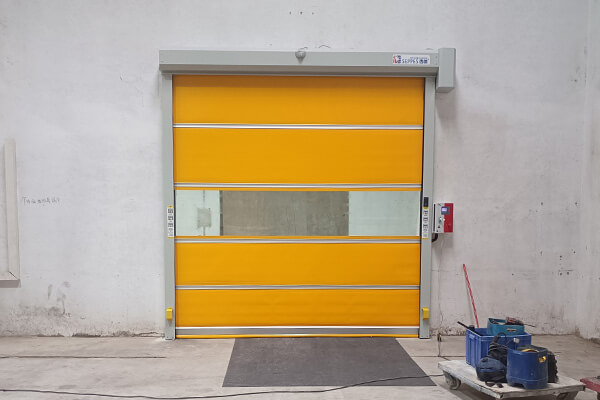
What Is the Average High Speed Door Cost?
The average high speed door cost can vary widely, depending on the door type, size, material, control system, safety configuration, and installation conditions. For most industrial projects, a high speed door is not priced as a standard product. It is usually customized according to the opening size, working environment, traffic frequency, and application requirements.
Industrial high speed doors can range from basic PVC roll-up models to advanced rigid spiral doors. A simple interior door for a warehouse will cost much less than a high-performance door used in cold storage, cleanrooms, or exterior high-traffic areas.
Typical Price Range for Industrial High Speed Doors
For project budgeting, high speed door prices can usually be divided into three levels:
| Door Type | Typical Budget Range | Common Applications |
|---|---|---|
| Entry-level PVC high speed doors | Lower cost range | Warehouses, workshops, interior logistics areas |
| Mid-range zipper/self-repairing doors | Medium cost range | Food factories, clean areas, high-traffic production zones |
| Premium rigid/spiral high speed doors | Higher cost range | Exterior openings, automotive plants, showrooms, heavy-duty industrial areas |
Entry-level PVC high speed doors
PVC roll up doors are usually the most cost-effective option. They are suitable for indoor areas where fast opening, dust control, and basic separation are required. These doors are commonly used in warehouses, workshops, and general production areas. The door size mainly affects the cost, PVC curtain thickness, motor system, and safety sensors.
Mid-range zipper or self-repairing high speed doors
Zipper rapid doors are designed for facilities that require better sealing and lower maintenance. The zipper structure allows the curtain to return into the side guides after impact, helping reduce downtime caused by forklift traffic or frequent operation. This type of high speed door is often used in food processing, clean production areas, and logistics centres.
Premium rigid or spiral high speed doors
Rigid high speed spiral doors are usually more expensive because they use stronger door panels, advanced drive systems, and higher safety configurations. They are suitable for exterior openings, high wind areas, automotive facilities, parking entrances, and industrial buildings that require both speed and security. Although the initial cost is higher, these doors can provide better durability, appearance, and long-term performance.
Cost Difference by Market: US, Europe, and Asia
The final high speed door cost can vary by market. Labour cost, local standards, shipping, installation, and after-sales service all affect the total project budget.
| Market | Main Cost Factors | Buyer Focus | Cost Notes |
|---|---|---|---|
| US Market | Installation labour, local service rates, safety standards, freight, customs clearance | Product performance, safety, installation, after-sales support | Imported doors may offer a lower product price, but freight, customs, installation, and maintenance should be included in the total cost. |
| European Market | CE compliance, energy efficiency, safety devices, labour cost, installation cost | Long-term reliability, energy savings, safety, total cost of ownership | Labour and installation costs can be higher, especially in Western and Northern Europe. Buyers often compare service life and maintenance cost, not only the purchase price. |
| Asian Market | Factory-direct pricing, shipping method, export packaging, voltage requirements, customization | Competitive pricing, fast production, flexible customization | Standard PVC high speed doors and zipper doors can be more cost-effective, but final cost depends on installation, shipping, and project requirements. |
Import vs Local Manufacturing Impact
Choosing between an imported high speed door and a locally manufactured door can also affect the final project cost. Local suppliers may provide faster installation and easier after-sales service, but the product price can be higher due to labour and production costs. Imported doors may reduce the initial equipment cost, especially when purchased directly from a manufacturer, but buyers need to consider freight, taxes, installation support, and spare parts availability.
For international projects, the best approach is to compare the full solution instead of only comparing the door price. A reliable quotation should include door size, material specification, motor and control system, safety devices, packing, trade terms, lead time, and installation support. This helps buyers understand the real high speed door cost and choose the most suitable solution for their facility.
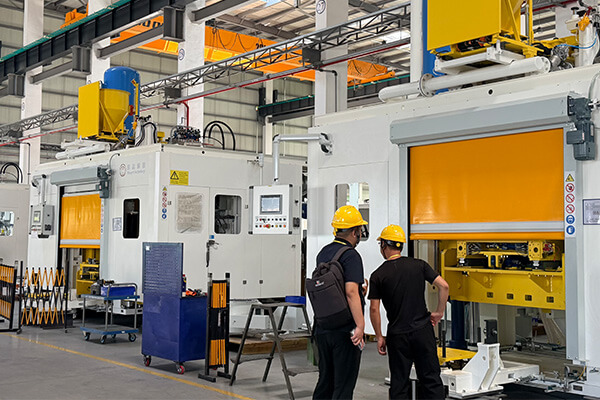
Key Factors That Affect High Speed Door Cost
Door Type and Structure
The door type is one of the most important factors affecting high speed door cost. Different structures are designed for different applications, traffic frequency, sealing requirements, and safety levels.
PVC Roll-Up Doors
PVC roll-up high speed doors are usually the most economical option. They are commonly used for indoor logistics areas, workshops, warehouses, and general production zones.
Main cost factors include:
- PVC curtain thickness
- Opening and closing speed
- Motor power
- Control system
- Safety sensors
- Door width and height
PVC roll-up doors are suitable for facilities that need fast access, dust control, and basic environmental separation at a competitive cost.
Zipper Self-Repairing Doors
Zipper self-repairing high speed doors are usually more expensive than standard PVC roll-up doors because they offer better sealing and impact recovery.
The zipper structure allows the curtain to return into the side guides after accidental impact. This helps reduce downtime and maintenance, especially in areas with frequent forklift movement.
These doors are commonly used in:
- Food processing factories
- Clean production areas
- Packaging workshops
- Logistics centres
- High-traffic industrial passages
For buyers who need better sealing performance and lower maintenance frequency, zipper doors can provide better long-term value.
Spiral Rigid Doors
Spiral rigid high speed doors are premium industrial doors. They use rigid insulated panels and a spiral track system, which allows fast operation without rolling the panels around a shaft.
This type of door usually has a higher cost because it provides:
- Stronger wind resistance
- Better security
- Higher durability
- Improved appearance
- Faster and smoother operation
- Better performance for exterior openings
Spiral rigid doors are often used in automotive plants, exterior industrial entrances, parking areas, and high-end manufacturing facilities.
Freezer Insulated High Speed Doors
Freezer insulated high speed doors are designed for cold storage, freezer rooms, and temperature-controlled logistics areas. They usually cost more than standard high speed doors because they require better insulation and special anti-freezing configurations.
Main cost factors include:
- Insulated curtain or panel structure
- Heating system for guide rails or seals
- Low-temperature motor configuration
- Stronger sealing system
- Condensation and frost control
- Cold room application requirements
For cold chain facilities, the cost should be evaluated together with energy savings, temperature stability, and long-term operating efficiency.
High Speed Industrial Doors Cost Comparison Table
| Door Type | Cost Level | Durability | Maintenance Level | Best Applications | Main Advantages |
|---|---|---|---|---|---|
| PVC Roll-Up High Speed Door | Low to medium | Standard | Medium | Warehouses, workshops, indoor logistics areas, general production zones | Cost-effective, fast opening, dust control, easy to operate |
| Zipper Self-Repairing High Speed Door | Medium | Higher | Lower | Food factories, clean areas, logistics centers, high-traffic passages | Better sealing, impact recovery, reduced downtime, suitable for forklift traffic |
| Spiral Rigid High Speed Door | High | Very high | Low to medium | Exterior openings, automotive plants, parking entrances, high-wind areas, premium industrial buildings | Strong structure, better security, wind resistance, long service life, professional appearance |
Door Size and Customization
Door size has a direct impact on high speed door cost. A larger door requires more materials, stronger components, a more powerful motor, and a more stable guide rail system.
Standard vs Oversized Doors
Standard-size high speed doors are usually more cost-effective because they are easier to manufacture, package, transport, and install.
Oversized doors generally cost more due to:
- Larger curtain or panel area
- Stronger side guides
- Higher motor power
- Reinforced frame structure
- Increased wind load requirements
- More complex installation
For high-frequency industrial areas, the door size should be selected based on actual vehicle traffic, forklift height, goods movement, and available installation space.
Special Height and Width Requirements
Some projects require special door dimensions because of large equipment, wide logistics passages, or limited building space. Custom width and height requirements can increase the total cost.
Customization may include:
- Extra-wide door openings
- Extra-high door openings
- Limited side room installation
- Limited headroom installation
- Special motor position
- Custom frame design
- Special curtain or panel colour
Before requesting a quotation, buyers should provide the clear opening width, opening height, side space, headroom, and site photos. This helps the supplier recommend the right structure and calculate the high speed door cost more accurately.
Motor and Control System
The motor and control system also play an important role in the final high speed door price. A basic door with standard controls will cost less than a door connected to an automated production line or building management system.
Basic Control Systems
A basic control system is suitable for general industrial use. It usually includes a control box, push button, limit switch, and standard opening methods.
Common opening methods include:
- Push button
- Remote control
- Pull cord switch
- Radar sensor
- Magnetic loop sensor
This configuration is suitable for warehouses, workshops, and areas with normal traffic frequency.
PLC Integration Systems
For automated factories, high speed doors may need to connect with a PLC system or production equipment. This allows the door to open and close according to machine signals, conveyor operation, AGV movement, or safety interlock requirements.
PLC integration can increase the high speed door cost because it may require:
- Signal connection
- Custom control logic
- Interlock function
- Additional wiring
- Industrial communication interface
- Testing and commissioning
This type of control system is commonly used in automotive manufacturing, electronics production, robotic workstations, and automated logistics lines.
Sensor and Automation Upgrades
Automation options can improve efficiency and safety, but they also affect the overall cost.
Common sensor and automation upgrades include:
- Radar sensors
- Magnetic loop detectors
- Photoelectric sensors
- Pull switch systems
- Remote control systems
- Access control systems
- Automatic closing function
- Traffic light connection
The right automation configuration should be selected according to traffic type, operation frequency, safety requirements, and workflow design.
Safety and Industrial Requirements
Safety configuration is another key factor that affects high speed door cost. Industrial doors are often used in areas with forklifts, workers, production equipment, and frequent traffic. Proper safety devices help reduce accident risks and improve daily operation.
Photoelectric Sensors
Photoelectric sensors detect people, forklifts, or goods in the doorway area. If an obstruction is detected, the door can stop or reopen to reduce the risk of collision.
Photoelectric sensors are commonly used in:
- Warehouse passages
- Forklift routes
- Production workshops
- Loading areas
- Logistics centres
They are a basic but important safety option for most industrial high speed doors.
Safety Edge Systems
A safety edge system is installed at the bottom of the door curtain. When the door touches an object during closing, the safety edge sends a signal to stop or reverse the door.
This system is especially useful for areas with frequent personnel movement or mixed forklift and pedestrian traffic. It can increase the initial cost, but it helps improve operational safety.
Explosion-Proof or Cleanroom Compliance
Some industries require special configurations because of strict environmental or safety standards. These requirements can significantly increase the final high speed door cost.
Explosion-proof high speed doors may be required in:
- Chemical plants
- Solvent storage areas
- Paint rooms
- Hazardous material zones
Cleanroom high speed doors may be required in:
- Pharmaceutical factories
- Electronics manufacturing
- Medical device production
- Food processing areas
- GMP-controlled environments
These doors may need special motors, sealing systems, control components, stainless steel structures, or cleanroom-compatible materials. For this reason, buyers should clearly confirm the application environment before selecting the door type.
Overall, the key factors affecting high speed door cost include door structure, door size, customization level, motor system, automation options, and industrial safety requirements. A lower initial price may not always mean a better investment. For industrial projects, the best solution should balance cost, performance, safety, maintenance, and long-term reliability.
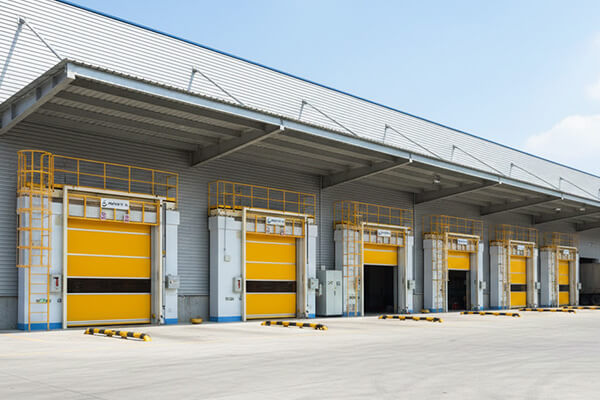
Installation Cost of High Speed Roll Up Doors
The installation cost of high speed doors is an important part of the total project budget. Even if two doors have the same size and structure, the final installation cost may be different due to site conditions, electrical requirements, labour, and installation complexity.
For industrial buyers, it is important to check whether the quotation only includes the door product or also includes installation support, electrical connection, commissioning, and after-sales service.
What Is Included in Installation Cost?
A complete high speed door installation usually includes mechanical assembly, electrical connection, control system setup, and final testing. These steps ensure that the door can operate safely and smoothly in daily use.
Rail System Installation
The rail system is one of the most important parts of a high speed door. It guides the curtain or panel during opening and closing.
Rail system installation usually includes:
- Fixing the side guide rails
- Installing the top structure
- Aligning the door frame
- Checking the vertical and horizontal position
- Reinforcing the fixing points when needed
If the wall structure is strong and the opening is standard, installation is usually easier. If the wall is uneven, weak, or limited in space, extra work may be required, which can increase the total installation cost.
Electrical Connection
High speed doors require electrical power for the motor, control box, sensors, and safety devices. The electrical connection should be carefully handled to ensure stable and safe operation.
Electrical work may include:
- Connecting the motor
- Wiring the control box
- Connecting safety sensors
- Checking voltage requirements
- Testing opening and closing signals
- Ensuring proper grounding
Different countries and facilities may have different voltage standards and electrical safety requirements. This is especially important for export projects or international installations.
Control System Setup
The control system affects how the high speed door opens, closes, and communicates with other equipment. A basic control system is usually easier and cheaper to install, while an advanced automation system requires more setup and testing.
Control system setup may include:
- Push button control
- Remote control setting
- Radar sensor adjustment
- Magnetic loop detector connection
- Automatic closing time setting
- PLC signal connection
- Safety interlock testing
If the door needs to connect with a production line, AGV system, conveyor, or warehouse management system, the installation and commissioning cost may be higher.
Additional Installation Factors
Besides basic installation work, several site-related factors can also affect the final high speed door installation cost. These factors should be confirmed before placing an order.
Wall Structure Conditions
The wall structure directly affects installation difficulty. A strong concrete or steel structure is usually easier for door installation. However, if the wall is not strong enough, additional support frames may be required.
Wall-related cost factors include:
- Concrete wall or steel structure
- Wall thickness and strength
- Opening accuracy
- Side room and headroom
- Need for additional steel frame
- Existing door removal
Before quotation, buyers should provide opening dimensions, wall photos, and site drawings if available. This helps the supplier evaluate the installation conditions more accurately.
Site Complexity: Cleanroom, Cold Storage, and Special Areas
Some industrial environments require more complex installation because of hygiene, temperature, pressure, or safety requirements.
For cleanroom high speed doors, installation may require better sealing, stainless steel components, dust control, and careful connection with air pressure control systems.
For cold storage high speed doors, installation may involve insulated structures, heating systems, anti-freezing components, and tighter sealing requirements.
For special industrial areas, installation may need:
- Special sealing treatment
- Low-temperature protection
- Stainless steel structure
- Explosion-proof electrical components
- Integration with access control or air shower systems
These requirements can increase both the product cost and the installation cost.
International Shipping and On-Site Service
For international projects, the total cost should also include shipping and service-related expenses. The door price may look competitive at first, but freight, packaging, customs clearance, local installation, and technical support can affect the final budget.
International project costs may include:
- Export wooden case packaging
- Sea freight or air freight
- Import duties and taxes
- Customs clearance
- Local installation labour
For overseas buyers, it is recommended to confirm the trade terms clearly, such as EXW, FOB, CIF, or DDP. This helps avoid misunderstandings about what is included in the high speed door cost.
Overall, the installation cost of high speed doors depends on rail installation, electrical connection, control system setup, wall conditions, site complexity, and international service requirements. A professional supplier should provide not only the door product, but also clear installation guidance, technical documents, wiring diagrams, and after-sales support.
High Speed Roller Door Cost by Application Industry
Different facilities have different requirements for speed, sealing, hygiene, insulation, safety, and automation. A warehouse may need a cost-efficient high-cycle door, while a pharmaceutical cleanroom may require GMP compliance, pressure control, and special sealing systems.
Warehouses and Logistics Centers
In warehouses and logistics centers, the main customer pain points are high traffic frequency, slow door operation, dust entry, heat loss, and forklift collision risks. Doors in these areas often open and close hundreds of times per day, so durability and operating efficiency are important.
For most logistics applications, PVC high speed doors or zipper self-repairing high speed doors are commonly used. They provide fast opening speed, smooth traffic flow, and basic environmental separation at a reasonable cost.
The high speed door cost for warehouses is usually more cost-efficient compared with cleanroom or cold storage applications. However, if the door is oversized, used at an exterior opening, or requires stronger wind resistance, the cost will increase.
For logistics centers, the right door solution can reduce waiting time, improve loading efficiency, and lower long-term maintenance costs.
Food and Beverage Factories
Food and beverage factories usually have higher requirements for hygiene, sealing, pest control, and clean production flow. In these environments, a standard industrial door may not be enough because dust, insects, moisture, and temperature changes can affect product safety and production quality.
Common customer pain points include:
- Dust entering the production area
- Insects or pests passing through door openings
- Temperature loss between different zones
- Frequent cleaning requirements
- Need for better sealing and smoother operation
For this industry, zipper high speed doors, cleanroom high speed doors, or stainless steel high speed doors are often recommended. These doors usually cost more than basic PVC roll-up doors because they require better sealing performance, safer materials, and easier-to-clean structures.
Although the initial investment may be higher, a suitable high speed door can help food and beverage factories improve hygiene control, reduce contamination risks, and support more stable production conditions.
Pharmaceutical Cleanrooms
Pharmaceutical cleanrooms have stricter requirements than general industrial areas. In these facilities, high speed doors are not only used for access control, but also for air pressure control, dust prevention, and GMP-compliant production management.
The main pain points in pharmaceutical cleanrooms include:
- Maintaining stable positive or negative pressure
- Reducing air leakage between rooms
- Preventing dust and particle contamination
- Supporting GMP production requirements
Because of these requirements, the high speed door cost for pharmaceutical cleanrooms is usually higher than standard industrial applications. The door may need special sealing, smooth surfaces, cleanroom-compatible materials, and integration with air shower rooms, interlock systems, or access control systems.
For pharmaceutical projects, buyers should not choose the door only based on the lowest price. A cleanroom high speed door should support hygiene control, pressure stability, safety, and long-term compliance.
Automotive Manufacturing Plants
Automotive manufacturing plants usually require heavy-duty and high-frequency operation systems. Doors are often installed in welding areas, assembly lines, painting areas, logistics passages, and robotic workstations. These areas need fast access, high safety, and strong durability.
Common customer pain points include:
- Frequent forklift and AGV traffic
- Dust or sparks in working areas
- Need for machine safety protection
- Collision risks from vehicles or equipment
- Integration with automated production systems
Depending on the application, automotive plants may choose zipper high speed doors, spiral rigid high speed doors, or machine protection high speed doors. The cost is usually higher when the door needs stronger structure, faster operation, or safety interlock with equipment.
For automotive manufacturing plants, the value of a high speed door is not only measured by purchase price. A reliable door can reduce downtime, improve production flow, protect operators, and support automated manufacturing systems.
Hidden Costs About Rapid Doors You Should Consider
When evaluating high speed door cost, many buyers focus only on the initial purchase price. However, the real cost of a high speed door also includes maintenance, spare parts, energy consumption, downtime, and long-term operating efficiency.
A cheaper door may reduce the first investment, but it can lead to higher repair costs, more frequent downtime, and greater energy loss over time. For industrial facilities, it is important to consider both the purchase cost and the total cost of ownership.
Maintenance and Spare Parts Cost
Maintenance is one of the most common hidden costs of high speed doors. Since these doors are often used in high-frequency industrial environments, key components may need inspection, adjustment, or replacement after long-term operation.
Common maintenance and spare parts costs include:
| Maintenance Item | Why It Matters | Cost Impact |
|---|---|---|
| Motor replacement | The motor controls daily opening and closing cycles. A low-quality motor may fail earlier in high-traffic areas. | Higher repair cost and possible production downtime |
| Curtain replacement | PVC curtains may be damaged by forklifts, strong impact, or long-term wear. | Replacement cost depends on curtain size, material, and structure |
| Sensor calibration | Sensors help detect vehicles, goods, and pedestrians. Poor calibration can affect safety and door operation. | Regular adjustment helps prevent accidents and false opening |
Motor Replacement
The motor is one of the most important components of a high speed door. In warehouses, logistics centers, and production workshops, the door may operate many times per day. If the motor is not suitable for high-cycle use, it may overheat, fail, or require replacement sooner.
Choosing a reliable motor system can increase the initial high speed door cost, but it helps reduce unexpected downtime and long-term maintenance expenses.
Curtain Replacement
The curtain is another key part that affects long-term cost. Standard PVC curtains are cost-effective, but they may need replacement if they are frequently hit by forklifts or exposed to harsh working conditions.
For high-traffic areas, a zipper self-repairing high speed door can help reduce curtain damage. Its self-repairing structure allows the curtain to return into the side guides after impact, reducing downtime and maintenance frequency.
Sensor Calibration
Sensors are important for both safety and efficiency. Radar sensors, photoelectric sensors, magnetic loop detectors, and safety edges need proper setup to ensure accurate operation.
If sensors are not calibrated correctly, the door may open too often, close too late, or fail to detect people and vehicles. This can increase energy loss, reduce safety, and affect workflow efficiency.
Energy Saving Benefits vs Long-Term ROI
A high speed door is not only a door product. It can also help reduce energy loss and improve operational efficiency. For facilities with temperature control, clean production areas, or high daily traffic, energy saving can become an important part of long-term ROI.
Air Leakage Reduction
Traditional industrial doors often stay open for a long time, allowing air, dust, insects, and temperature changes to enter the facility. High speed doors open and close quickly, helping reduce air exchange between different areas.
This is especially important for:
- Cold storage warehouses
- Food processing factories
- Clean production areas
- Pharmaceutical cleanrooms
- Air-conditioned workshops
- Logistics centers with frequent traffic
By reducing air leakage, high speed doors can help maintain a more stable indoor environment and lower the workload of HVAC or refrigeration systems.
HVAC Energy Savings
In facilities with heating, ventilation, air conditioning, or refrigeration systems, door opening time directly affects energy consumption. The longer a door remains open, the more energy is required to maintain the target indoor temperature.
A high speed door can help improve energy efficiency by:
- Reducing door opening time
- Limiting hot or cold air exchange
- Supporting stable indoor temperature
- Reducing pressure loss in controlled areas
- Lowering HVAC workload
Although an energy-efficient high speed door may have a higher initial cost, it can help reduce long-term operating expenses, especially in cold chain, food, pharmaceutical, and climate-controlled facilities.
Productivity Improvement
Productivity is another important factor when calculating the true value of a high speed door. Slow doors can cause waiting time for forklifts, workers, AGVs, and production equipment. Over time, this can reduce workflow efficiency and increase labour costs.
High speed doors help improve productivity by:
- Supporting faster forklift movement
- Reducing waiting time at door openings
- Improving material flow between areas
- Supporting automated production lines
- Reducing downtime caused by door damage
- Improving safety in high-traffic areas
For busy industrial facilities, the return on investment should not only be calculated from energy savings. It should also include faster operations, reduced maintenance, fewer interruptions, and safer daily traffic.
Overall, the hidden costs of high speed doors include maintenance, spare parts, energy loss, downtime, and productivity impact. When comparing high speed door cost, buyers should look beyond the initial price and evaluate the long-term value of the door system.
FAQs
How does high speed door cost compare to conventional doors and garage door options?
The high speed door cost is typically higher upfront than conventional doors or a basic garage door because high-performance roll-up and high-speed roll-up doors are designed for fast opening and closing speeds, high cycle use, and durability in commercial or industrial settings. Factors affecting the cost include door features, insulation, size of the door, safety features, and whether you need a fabric door or insulated doors. Over time, lower energy costs and reduced damage to the door from collisions can offset the higher initial investment.
How do high-speed roll-up doors and roll-up garage systems impact productivity?
High-speed roll-up doors and high-performance roll-up systems improve productivity in busy facilities by providing fast opening and closing that minimizes wait time for vehicles and personnel. Fast opening and closing speeds reduce air infiltration and maintain environmental control, which helps lower energy costs. In high-traffic industrial doors applications designed for high volume, the reduced downtime and fewer interruptions translate into measurable productivity gains that often justify the higher high speed door cost.
What is the typical lifespan and durability of industrial doors and high-performance doors?
Durability for industrial doors, including high-performance doors and high-speed roll-up doors, depends on construction, usage (high cycle vs. low cycle), and maintenance. Well-built roll-up and fabric door systems from reputable manufacturers like Rytec doors are designed for frequent use and can last many years with regular maintenance. Damage to the door from impacts is lessened by features like breakaway sections and quick reset mechanisms, which can reduce long-term repair costs and improve return on investment despite a higher initial high speed door cost.
How do door options like insulated doors or safety features affect the cost?
Door options directly impact high speed door cost. Insulated doors add material and manufacturing complexity, but improve environmental control and lower energy costs. Advanced safety features, such as photo eyes, presence sensors, and soft-edge technology, are essential for high-traffic commercial settings and raise the price. Custom door features, specific size of the door, and integration with building management systems or commercial needs also increase cost, but enhance performance and compliance in commercial or industrial applications.
Is a high-speed roll-up door the right choice for commercial property with high-traffic door applications?
For commercial property with high-traffic door applications, a high-speed roll-up or high-performance roll-up is often the right choice because they are designed for high cycle use and fast opening and closing speeds that keep operations moving. Consider the type of traffic (vehicles, forklifts, pedestrians), environmental control needs, and potential for damage to the door when selecting a model. While high speed door cost may be higher than conventional doors, benefits in uptime, energy savings, and reduced maintenance can justify the investment for different industries.
How should I evaluate vendors and models when budgeting for a high-speed roll-up or industrial door?
When budgeting for high speed door cost, evaluate vendors based on product reputation, warranty, available door features, service network, and experience with commercial garage door and commercial overhead installations. Ask for references from similar commercial or industrial projects, confirm high cycle ratings, and get detailed quotes that separate door materials, controls, installation, and optional features. Comparing total cost of ownership—including energy savings, productivity gains, and reduced damage to the door—will give a clearer picture than upfront price alone.

