
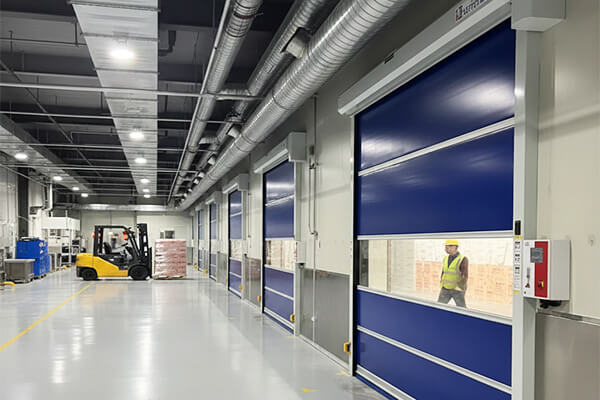

2026年高速门维护基本指南
在现代工业物流中,高速门维护是决定无缝吞吐与昂贵运营瓶颈之间差异的关键。随着设施向工业4.0转型,专为超过25万次循环设计的快速通道的可靠性,对于维持气候控制和设施安全至关重要。.
本指南概述了一个主动管理 高性能门系统. 的框架。通过从被动维修转向结构化的预防性维护计划,设施管理者可以显著降低总拥有成本,同时最大化工业资产的使用寿命。.
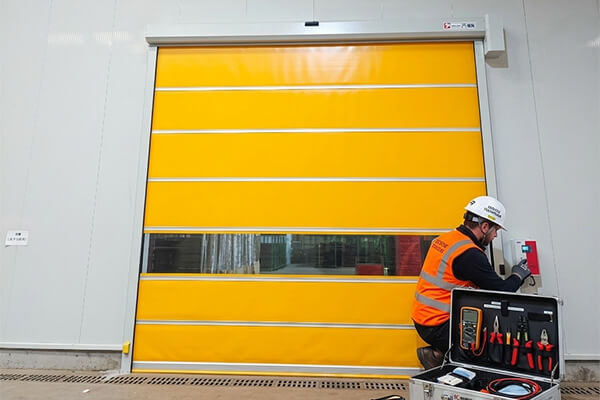
了解高速门
什么是高速门?
الأبواب الدوارة عالية السرعة 是专为快速开启和关闭循环设计的工业门系统,通常速度超过 1.0米/秒. 。与标准分段门或卷帘门不同,它们专为高频使用而设计——通常额定数十万次循环——以支持无缝物流和环境控制。.
依赖高速门的关键行业
- 冷链与食品加工: 通过最小化运输过程中的空气交换,维持“不间断”的制冷效果。.
- 制药与洁净室: 确保气密密封,阻挡灰尘、害虫和污染物进入敏感区域。.
- 汽车制造: 支持准时制生产线,为零件配送提供高速通道。.
- 物流与配送: 优化高流量装卸平台,适应持续的叉车和车辆移动。.
缺乏适当维护的常见问题
忽视结构化的维护计划通常会导致重大运营风险:
- 能源效率低下: 磨损的EPDM密封件或缓慢的循环速度导致调节空气泄漏,造成公用事业成本飙升。.
- 安全隐患: 红外光幕或安全边缘的故障可能导致涉及人员或叉车的事故。.
- 机械故障: 缺乏润滑或轨道错位可能导致“涡轮”螺旋或电机卡死,导致设施完全停机。.
- 过早磨损: 忽视小故障,如编码器错误,会导致累积性损坏,缩短门的设计寿命。.
定期高速门维护的好处
增强耐用性和使用寿命
定期维护保护高精度组件,如德国设计的伺服电机和多圈绝对编码器,防止过早磨损。一致的维护确保系统达到其25万次或更多循环的完整设计潜力。.
提高员工和设备安全性
例行检查验证非接触式安全功能的完整性,包括红外光幕和无线安全边缘。确保这些系统在毫秒内响应,可防止在门快速移动过程中涉及人员或叉车的事故。.
通过更好的温度控制实现能源效率
维护EPDM周边密封件和高速运行(高达2.5米/秒)的完整性,可最小化空气交换。这通过保持内部气候和减少HVAC系统负荷,支持EETA能源标准。.
通过防止重大维修节省成本
定期检查高速门可及时解决小问题,如轨道中的碎屑或振动引起的紧固件松动。这有助于防止严重故障。此类维护避免了维修和更换成本,从而降低了总拥有成本。.
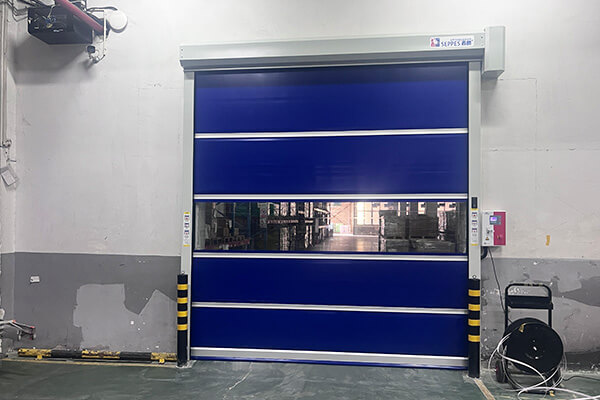
高速门维护:设施管理者的每日和每周检查清单
视觉检查:门帘与轨道完整性
持续的高速运行要求门帘和导向系统保持最佳物理状态,以防止机械卡滞。.
- 门帘表面检查: 检查门帘是否有穿孔、撕裂或材料疲劳迹象,这些可能影响隔热或气压密封。.
- 侧轨道间隙: 确保垂直侧轨道完全无碎屑、灰尘或油脂积聚,以防止摩擦并确保平稳运行。.
- 硬件稳定性: 确认轨道支架上所有可见螺栓和紧固件保持紧固,以承受高频循环的振动。.
安全传感器测试:非接触式保护
- 红外光幕:验证双侧红外光幕是否清洁且响应灵敏;如果光束被中断,门应立即反转或停止。.
- حواف الأمان اللاسلكية: اختبار حواف الأمان السفلية اللاسلكية للتأكد من أنها تؤدي إلى أمر “إعادة الفتح” الفوري عند ملامسة أي عائق.
- مراقبة رموز الأعطال: التحقق من واجهة LCD المرئية لوجود أي رموز أعطال نشطة تتعلق بانقطاعات دائرة الأمان.
التحقق من طريقة التفعيل التلقائي المخصصة
يضمن التفعيل المتسق استمرارية تدفق العمليات اللوجستية دون انقطاع، وفتح الباب فقط عند الحاجة، مما يحافظ على البيئة الداخلية.
- أجهزة استشعار الرادار والحركة: اختبار أجهزة استشعار الرادار للتأكد من أنها تكتشف بدقة الرافعات الشوكية أو الأفراد المقتربين على المسافة المحددة.
- الحلقات المغناطيسية وحبال السحب: تفعيل جميع أجهزة التفعيل المساعدة يدويًا، مثل الحلقات المغناطيسية المدمجة في الأرضية أو حبال السحب العلوية، لضمان استجابة متسقة.
- الربط عن بُعد والبلوتوث: إذا كان النظام مزودًا بالوصول الذكي، تحقق من استقبال إشارات البلوتوث أو التحكم عن بُعد دون تداخل أو تأخير.
قائمة الفحص اليومي: أنظمة الأبواب السريعة
| فئة الفحص | عنصر نقطة التفتيش | المتطلب التشغيلي |
| السلامة البصرية | ستارة الباب والشرائح | التحقق من وجود ثقوب أو تمزقات أو سحجات سطحية مرئية قد تؤثر على العزل الحراري. |
| المسار الميكانيكي | المسارات الجانبية والأدلة | التأكد من خلو المسارات من الحطام أو الغبار أو العوائق لمنع الاحتكاك أثناء الحركة السريعة. |
| أجهزة استشعار السلامة | 红外光幕 | التحقق من أن مصفوفة الأشعة تحت الحمراء المزدوجة تؤدي إلى توقف فوري أو عكس الاتجاه عند انقطاع الشعاع. |
| الحافة السفلية | حافة الأمان اللاسلكية | اختبار مستشعر الحافة السفلية لضمان إعادة فتح الباب فورًا عند التلامس الفيزيائي. |
| التفعيل | أجهزة استشعار الرادار والحركة | التأكد من أن الرادار يكتشف بدقة حركة المرور المقتربة على المسافة المحددة مسبقًا لفتح متسق. |
| تحديد المواقع | دقة المفاتيح الحدية | مراقبة الباب في وضعي الفتح الكامل والإغلاق الكامل لضمان دقة المشفر المطلق. |
| واجهة المستخدم | شاشة عرض LCD | التحقق من واجهة HMI المرئية لوجود أي رموز أعطال نشطة أو تنبيهات صيانة من وحدة المعالجة المركزية. |
| الطوارئ | جهاز التحرير اليدوي | التحقق من أن المقبض اليدوي أو مكابح التحرير متاحة وغير معاقة للاستخدام في حالات الطوارئ. |
| البيئة | حشوات الختم | فحص أختام EPDM المحيطية بحثًا عن فجوات لمنع تسرب الهواء والحفاظ على التحكم المناخي. |
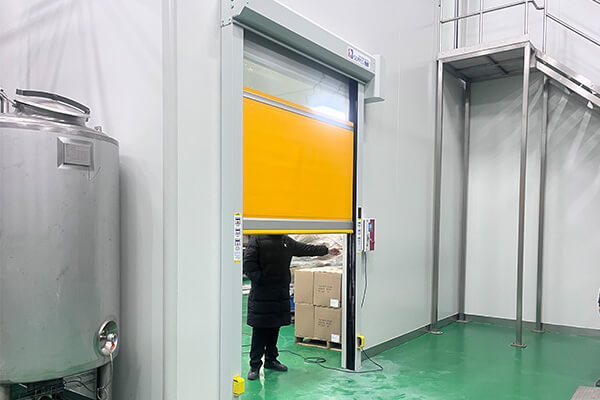
أربع علامات تشير إلى حاجة بابك السريع الدوار للصيانة
أصوات غير عادية أثناء التشغيل
الأبواب عالية الأداء، خاصة تلك التي تستخدم تقنية الحلزون غير الملامسة, ، مصممة للحركة شبه الصامتة.
- صوت الطحن أو الصرير: غالبًا ما يشير إلى نقص التزييت في المحامل أو وجود حطام عالق داخل المسارات الحلزونية “Turbo”.
- صوت الخشخشة: يشير إلى أن مسامير التثبيت أو الأضلاع المقاومة للرياح قد ارتخت بسبب الاهتزازات عالية التردد.
- طنين المحرك: قد يشير الطنين الكهربائي المستمر إلى أن المحرك المؤازر المصمم بألمانيا يواجه مقاومة ميكانيكية.
سرعات الفتح والإغلاق الأبطأ
تُعرَّف الكفاءة بأوقات الدورة السريعة، والتي تتراوح عادةً بين 0.8 م/ث و 2.0 م/ث.
- الاستجابة المتأخرة: إذا فشل الباب في الوصول إلى سرعته القصوى المحددة، فقد يكون ذلك بسبب خلل في المكثف أو دخول نظام القيادة في “وضع الأمان” نتيجة اكتشاف عطل.
- زيادة تبادل الهواء: يؤدي التشغيل الأبطأ إلى الإضرار بالتحكم في المناخ، مما يؤدي إلى استهلاك طاقة أعلى في بيئات التخزين البارد أو الغرف النظيفة.
- انحراف جهاز التشفير: يمكن أن تكون السرعات الأبطأ أيضًا عرضًا لـ جهاز التشفير المطلق متعدد الدورات الذي يفقد معايرة تحديد موضعه.
تلف مرئي أو عدم محاذاة
غالبًا ما تكون التشوهات الفيزيائية مقدمة لفشل ميكانيكي كارثي.
- إجهاد الستارة: ابحث عن تمزقات أو ثقوب في وسادة الهواء المصنوعة من PVC أو رقائق الألومنيوم العازلة التي قد تعلق في المسارات.
- عوائق قضبان التوجيه: حتى الانبعاجات الصغيرة في الإطار الفولاذي المدرفل على البارد بسماكة 2.0 مم يمكن أن تتسبب في انحشار الباب، مما يؤدي إلى توقف طارئ.
- فجوات السدادات: رؤية ضوء النهار من خلال حشوات EPDM المحيطة تشير إلى أن الباب لم يعد محكم الإغلاق، مما يسمح بدخول الغبار والآفات إلى المنشأة.
الأعطال أو الخلل المتكرر
- عطل متقطع في المستشعر: إذا ستارة الضوء تحت الحمراء أو حواف الأمان تسببت في توقفات خاطئة، فقد تكون دائرة الأمان معطلة.
- رموز الأعطال في واجهة التشغيل البشرية: التنبيهات المتكررة على واجهة LCD المرئية هي اتصال مباشر من وحدة المعالجة المركزية (CPU) بأن المكونات الداخلية تعمل خارج المعايير الآمنة.
- الاعتماد على التجاوز اليدوي: إذا كان الباب يتطلب استخدامًا متكررًا لـ التحرير اليدوي الطارئ, ، فإن المنطق الآلي أو مصدر الطاقة يتعطل.
ممارسات الصيانة الأساسية للأبواب عالية السرعة
تطبيق نهج منظم لـ **صيانة الباب عالي السرعة،** يضمن بقاء الأصول الصناعية آمنة وفعالة وموثوقة طوال عمرها التصميمي. يساعد اتباع هذه الممارسات الأساسية في الحفاظ على معيار “باب واحد، رمز واحد” لخدمة تشغيلية مدى الحياة.
الفحوصات الدورية وفحص التآكل
تعتبر عمليات التدقيق البصري والفيزيائي المنتظمة خط الدفاع الأول ضد الفشل الميكانيكي.
- سلامة الستارة والألواح: افحص الألواح المركبة ثلاثية الطبقات أو ألواح الألومنيوم بحثًا عن ثقوب أو تمزقات أو سحجات سطحية قد تؤثر على العزل الحراري.
- خلوص المسار والتوجيه: تأكد من أن المسارات الجانبية وقضبان “Turbo” الحلزونية خالية من الحطام أو الغبار أو العوائق التي تسبب الاحتكاك أثناء السفر عالي السرعة.
- 硬件稳定性: تحقق بانتظام من أن جميع مسامير التثبيت والأضلاع المقاومة للرياح والمثبتات تظل مشدودة لتحمل الاهتزازات الناتجة عن الدورات عالية التردد.
- أنظمة السد: افحص حشوات EPDM المحيطة بحثًا عن فجوات أو تآكل لمنع تسرب الهواء والحفاظ على تحكم صارم في المناخ.
تزييت الأجزاء المتحركة
يقلل التزييت المناسب من الاحتكاك والحرارة والضوضاء، وهي المؤشرات الرئيسية لإجهاد المكونات.
- المحامل والبكرات: استخدم مواد تشحيم صناعية عالية الجودة للمحامل العالمية من NSK والبكرات الفولاذية لضمان تشغيل سلس وعالي التردد.
- سلسلة القيادة والتروس: بالنسبة للطرازات التي تستخدم الرافعات ذات السلاسل أو التروس الخارجية، حافظ على جدول تزييت منتظم لمنع الانحشار أو الكسر.
- المفصلات ونقاط الارتكاز: تأكد من حرية حركة جميع الأجهزة المفصلية لمنع الإجهاد غير الضروري على المحرك المؤازر المصمم بألمانيا.
اختبار ميزات السلامة والتوقفات الطارئة
دوائر السلامة الوظيفية غير قابلة للتفاوض لحماية الأفراد وتجنب تلف المعدات أثناء الفتح والإغلاق السريع.
- ستائر الأشعة تحت الحمراء: تحقق من أن مصفوفات الأشعة تحت الحمراء المزدوجة تؤدي إلى توقف فوري أو عكس للحركة عند انقطاع الشعاع.
- حواف السلامة اللاسلكية: اختبر مستشعرات الحافة السفلية للتأكد من أن الباب يعيد الفتح فورًا عند التلامس المادي مع عائق.
- التحرير اليدوي الطارئ: تأكد من أن المقبض اليدوي أو محرر الفرامل متاح وقابل للتشغيل، مما يسمح بفتح الباب باستخدام مفتاح ربط قياسي أثناء انقطاع التيار الكهربائي.
- مراقبة رموز الأعطال: افحص بانتظام واجهة LCD المرئية بحثًا عن أي رموز أعطال نشطة من وحدة المعالجة المركزية تشير إلى انقطاعات في دوائر السلامة.
الصيانة الفنية: تعمق في المكونات الميكانيكية
| نظام المكونات | تركيز الصيانة الفنية | معيار الأداء الصناعي |
| المحرك المؤازر ونظام القيادة | فحص المحركات ذات العلامة التجارية الألمانية (مثل, FROG PUPIL) بحثًا عن حرارة أو اهتزاز أو ضوضاء غير عادية. | زمن استجابة 0.3 ثانية; يضمن تشغيلًا دقيقًا عالي التردد وتوصيل عزم الدوران. |
| نظام المسار الحلزوني | تنظيف المسارات الحلزونية غير التلامسية من نوع Turbo لإزالة الحطام وضمان حركة خالية من الاحتكاك. يمنع تلامس الألواح مع بعضها؛ يحافظ على تشغيل شبه صامت ويحافظ على تشطيب الستارة. | سلامة الإغلاق. |
| فحص | أختام المطاط EPDM ومسارات PVC من النوع U بحثًا عن التآكل أو التشققات أو الفجوات. يضمن غلافًا محكمًا وخاليًا من الآفات؛ ضروري لكفاءة الطاقة. | EETA . التحكم في التموضع. |
| معايرة | لمنع أخطاء التموضع التراكمية. جهاز التشفير المطلق متعدد الدورات يحافظ على مواقع الحدود الدقيقة؛ يتجنب "الانجراف" الشائع في المشفرات التزايدية. | هيكل الستارة. |
| فحص المركب ثلاثي الطبقات (PVC + رقائق الألومنيوم) بحثًا عن الثقوب أو الإجهاد. | مثبط اللهب من الفئة 2. | يدعم العزل الحراري والمتانة الهيكلية.; منطق السلامة. |
| اختبار | Testing ستائر ضوئية تعمل بالأشعة تحت الحمراء وحواف أمان لاسلكية لتحقيق زمن استجابة بالميلي ثانية. | حماية من الفئة IP54; تضمن التشغيل الآمن في البيئات الصناعية القاسية. |
الخاتمة
في بيئة الخدمات اللوجستية عالية الطلب لعام 2026، لم تعد صيانة الأبواب السريعة مجرد مهمة تفاعلية، بل أصبحت ضرورة استراتيجية لتحقيق التميز التشغيلي. من خلال تنفيذ إطار منظم للتفتيش اليومي والفحوصات الفنية المتعمقة، يمكن لمديري المرافق حماية استثماراتهم في محركات السيرفو الألمانية المتطورة وتقنية الحلزونية عالية الدورة.
الأسئلة الشائعة: صيانة الأبواب السريعة
لماذا تعتبر الصيانة الوقائية مهمة للأبواب الصناعية السريعة؟
الصيانة الوقائية ضرورية للأبواب السريعة الصناعية والتجارية لأن الصيانة المنتظمة تقلل وقت التوقف، وتطيل عمر أنظمة الأبواب، وتساعد في تجنب الإصلاحات المكلفة. من خلال اتباع خطة صيانة وجدول تفتيش وصيانة، يمكن لفني مدرب اكتشاف علامات التآكل أو الألواح التالفة أو عدم المحاذاة قبل أن تصبح مشكلات كبيرة. تضمن الصيانة الاستباقية تشغيل أبوابك السريعة بسلاسة وتؤمن أداءً سلسًا في المستودعات والبيئات الصناعية المزدحمة.
ما نصائح الصيانة التي يمكن أن تساعد في إطالة عمر أنظمة الأبواب العلوية؟
تشمل نصائح الصيانة البسيطة الحفاظ على نظافة الباب باستخدام قطعة قماش ناعمة ومنظف معتدل، وتزييت الأجزاء المتحركة بانتظام باستخدام مواد تشحيم معتمدة من الشركة المصنعة، وفحص التوازن والتوتر، وضمان محاذاة أجهزة الاستشعار ووظائفها. اتباع إرشادات الشركة المصنعة وخطة الصيانة سيساعد في إطالة عمر أنظمة الأبواب العلوية وتقليل تكاليف الإصلاح الناتجة عن المشكلات المهملة.
متى يجب علي الاتصال لإصلاح الباب مقابل جدولة الصيانة الروتينية؟
إذا لاحظت علامات تلف مثل انبعاجات كبيرة، أو مسارات مكسورة أو منحنية، أو أصوات غير طبيعية، أو فشل في الفتح/الإغلاق، أو كابلات مهترئة مرئية، فاتصل فورًا لإصلاح الباب السريع. الصيانة الروتينية مخصصة للتفتيش والتزييت والتعديلات الطفيفة لمنع المشكلات. يمكن لفني الصيانة المحترف تقديم المشورة بشأن ما إذا كانت المشكلة تتطلب إصلاحًا أم صيانة، والتعامل مع أي إصلاحات لاستعادة التشغيل الآمن.
هل يمكنني تزييت الأجزاء المتحركة بنفسي في نظام الأبواب الأوتوماتيكية؟
يمكنك تزييت الأجزاء المتحركة مثل المفصلات والبكرات والمحامل باستخدام مادة تشحيم صحيحة، ولكن اتبع دائمًا تعليمات الشركة المصنعة. استخدم مواد تشحيم موصى بها لأنظمة الأبواب السريعة والتجارية الصناعية وتجنب الإفراط في الاستخدام. إذا كنت غير متأكد، فقم بجدولة خدمات صيانة احترافية—يمكن للفنيين المدربين صيانة وتزييت المكونات بشكل صحيح للحفاظ على عمل الأبواب وتجنب إبطال الضمانات.
كيف تقلل برامج الصيانة والصيانة الاستباقية من تكاليف الإصلاح؟
برامج الصيانة التي تتضمن فحوصات منتظمة وصيانة مخططة وصيانة استباقية تقلل من الإصلاحات المكلفة من خلال تحديد المشكلات الصغيرة مبكرًا—مثل الأجهزة المرتخية أو الأحزمة البالية أو أجهزة الاستشعار غير المحاذية—قبل أن تسبب فشلًا. الصيانة المنتظمة والخدمة الاحترافية تحسن العمر الافتراضي، وتقلل من وقت التوقف غير المتوقع، وتوزع نفقات الصيانة بشكل متوقع بدلاً من تكبد تكاليف إصلاح كبيرة عند حدوث الأعطال.
ما هي علامات التآكل الشائعة التي يجب أن أبحث عنها في باب سريع للمستودعات؟
ابحث عن علامات التآكل مثل الحركة البطيئة أو المتقطعة، أو الاهتزاز أو الضوضاء غير المعتادة، أو الكابلات المهترئة، أو الأختام البالية، أو الألواح التالفة، أو الأجزاء المترهلة، أو أعطال أجهزة الاستشعار. قم بالتفتيش مرة واحدة على الأقل شهريًا للتحقق من المشكلات البصرية وأبلغ فني خدمة الأبواب عن أي حالات شاذة. يساعد الاكتشاف المبكر في الحفاظ على أبوابك آمنة وقابلة للتشغيل.
هل تتطلب أبواب اللف الصناعية وأبواب الجراج السريعة طرق صيانة مختلفة؟
تتطلب كل من أبواب اللف الصناعية وأبواب الجراج السريعة التفتيش والصيانة، لكن التفاصيل تختلف: تحتاج الأنظمة السريعة غالبًا إلى فحوصات أكثر تكرارًا على عناصر التحكم وأجهزة الاستشعار ومكونات القيادة بسبب الدورات السريعة، بينما قد تحتاج أبواب اللف إلى اهتمام أكبر بأنظمة الستائر والينابيع. استخدم خطة صيانة تعكس نوع الباب ومستويات الاستخدام وإرشادات الشركة المصنعة لصيانة كل نظام بشكل صحيح.
كيف يمكنني اختيار خدمة صيانة احترافية للأبواب التجارية والصناعية؟
اختر مزودًا ذا خبرة في صيانة الأبواب التجارية وصيانة الأبواب السريعة، ويفضل أن يكون معتمدًا من الشركات المصنعة. تحقق من أنهم يقدمون خدمات صيانة شاملة، وإصلاح طوارئ للأبواب السريعة، وبرامج صيانة مخططة. اسأل عن تدريب الفنيين، ومراجع من المستودعات أو المرافق الصناعية، وما إذا كانت خطة الصيانة تتضمن تفتيشًا منتظمًا وتزييت الأجزاء المتحركة وتوثيقًا للمساعدة في إطالة عمر أبوابك.
المراجع
المعايير الفنية: الجمعية الأمريكية للاختبارات والمواد (ASTM International): astm.org

