

أبواب عالية السرعة لمراكز التوزيع: تحسين تدفق الحركة والكفاءة في المستودعات
تعتمد مراكز التوزيع الحديثة على الحركة السريعة للرافعات الشوكية والمنصات والبضائع والموظفين. عندما يُفتح الباب ببطء شديد أو يظل مفتوحًا لفترة أطول من اللازم، فقد يصبح نقطة اختناق في العمليات اليومية للمستودع. أبواب عالية السرعة لمراكز التوزيع مصممة للحفاظ على حركة نقاط الوصول المزدحمة مع فصل مناطق العمل المختلفة بكفاءة.
من الاستلام والتخزين إلى الفرز والتعبئة والشحن، يمكن تركيب أبواب PVC عالية السرعة في نقاط المرور الرئيسية في جميع أنحاء منشأة الخدمات اللوجستية. يساعد الفتح السريع والتفعيل التلقائي وأجهزة استشعار السلامة وتصاميم الأبواب المختلفة مراكز التوزيع على تحسين تدفق الحركة وتكييف المداخل مع ظروف التشغيل المحددة.
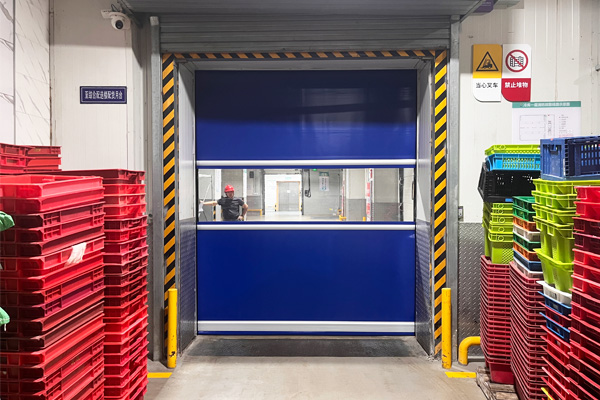
لماذا تحتاج مراكز التوزيع إلى أبواب عالية السرعة؟
تعمل مراكز التوزيع غالبًا بحركة مواد مستمرة. قد تتنقل الرافعات الشوكية بين مناطق المستودع مئات المرات خلال يوم العمل، مما يجعل أداء الأبواب جزءًا مهمًا من العملية اللوجستية.
على عكس الأبواب المستخدمة بشكل متقطع فقط،, فإن أبواب المستودعات عالية السرعة مصممة للفتح والإغلاق المتكرر. فهي تساعد على تقليل أوقات الانتظار عند نقاط الوصول وتحافظ على توفر مسارات المرور عندما تحتاج البضائع إلى التحرك بسرعة.
تقليل وقت انتظار الرافعات الشوكية
قد تضطر الرافعة الشوكية التي تقترب من باب صناعي بطيء إلى التوقف والانتظار قبل المرور. وعندما يتكرر هذا عبر عدة مداخل، يمكن أن تؤثر التأخيرات الصغيرة على سير العمل العام.
تُفتح الأبواب عالية السرعة لمراكز التوزيع بسرعة عند تفعيلها، مما يسمح للرافعات الشوكية وعربات المنصات بالمرور مع قدر أقل من الانقطاع. وبعد تجاوز المركبة للفتحة، يُغلق الباب مرة أخرى لفصل المنطقتين.
تساعد دورة التشغيل البسيطة هذه في الحفاظ على حركة مسارات المستودع المزدحمة:
الاقتراب ← فتح الباب ← مرور المركبة ← إغلاق الباب
بالنسبة للمنشآت ذات الحركة المرورية العالية، فإن تقليل الانتظار غير الضروري عند كل مدخل يمكن أن يجعل اللوجستيات الداخلية أكثر كفاءة.
الحفاظ على حركة البضائع بين مناطق المستودع
يتضمن مركز التوزيع عادةً عدة مناطق وظيفية، مثل:
- الاستلام
- التخزين
- الانتقاء
- الفرز
- التعبئة
- الشحن
تتحرك البضائع باستمرار بين هذه المناطق. لذلك يجب أن تدعم الأبواب الموضوعة على طول المسارات اللوجستية الرئيسية تدفق المواد بدلاً من مقاطعته.
يمكن للأبواب السريعة التلقائية إنشاء فصل بين مناطق المستودع مع توفير وصول مريح عندما يحتاج الرافعات الشوكية أو الموظفون إلى المرور.
دعم العمليات اليومية عالية التكرار
بعض مداخل المستودعات تعمل فقط بضع مرات في اليوم. وقد يُفتح البعض الآخر ويُغلق بشكل متكرر خلال كل وردية عمل.
بالنسبة لهذه المواقع ذات الحركة المرورية العالية، يجب اختيار الباب وفقًا لتكرار التشغيل وحجم الفتحة ونوع المركبة والبيئة المحيطة.
أبواب عالية السرعة لمراكز التوزيع وهي مناسبة بشكل خاص للمداخل التي تكون فيها الدورات المتكررة جزءًا من العمليات اليومية العادية.
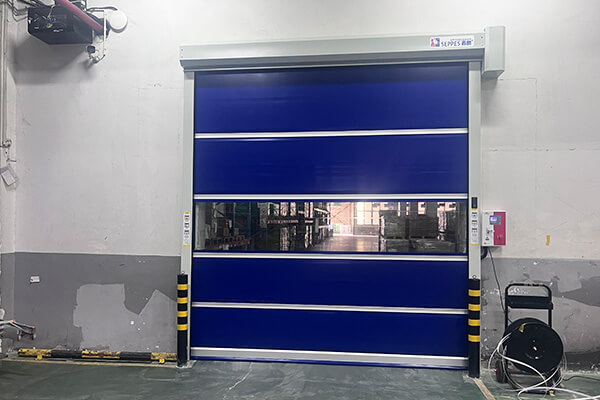
أين تُستخدم الأبواب عالية السرعة في مركز التوزيع؟
تختلف متطلبات الأجزاء المختلفة من مركز التوزيع. بدلاً من استخدام نفس تكوين الباب في كل مكان، يجب أن يتوافق نوع الباب وطريقة التفعيل مع وظيفة كل منطقة.
مناطق الاستلام والشحن
تربط مناطق الاستلام والشحن عمليات المستودع بالبضائع الواردة والصادرة.
تتنقل الرافعات الشوكية وعربات المنصات ومعدات مناولة المواد الأخرى بشكل متكرر بين مناطق الرصيف ومناطق التخزين الداخلية. يمكن أن يؤدي تركيب أبواب عالية السرعة لأرصفة التحميل عند نقاط الوصول المزدحمة إلى تقليل الانتظار مع المساعدة في فصل المناطق الداخلية عن عمليات التحميل.
بالنسبة للمداخل المواجهة للخارج، يجب أيضًا مراعاة ظروف الرياح وحجم الفتحة والتعرض للطقس عند اختيار الباب.
مسارات المرور الداخلية للرافعات الشوكية
تُعد ممرات الرافعات الشوكية الداخلية من أكثر التطبيقات شيوعًا لهذه الأبواب. فإن أبواب المستودعات عالية السرعة.
يمكن تفعيل هذه الأبواب تلقائيًا عند اقتراب الرافعة الشوكية، مما يسمح للسائق بمواصلة المرور عبر الفتحة دون مغادرة المركبة لتشغيل الباب يدويًا.
حيثما كانت الحركة المرورية متكررة بشكل خاص، يمكن لأجهزة استشعار الرادار أو الحلقات الاستقرائية أو طرق التفعيل الأخرى أن تساعد في إنشاء مسار مروري أكثر سلاسة.
مناطق الفرز والتعبئة
قد تحتاج مناطق الفرز والتعبئة إلى فصل عن مناطق التخزين أو مناطق المرور الرئيسية مع السماح بحركة المواد بينها بسرعة.
يمكن لباب PVC عالي السرعة القابل للطي أن يوفر فصلًا مرنًا دون خلق تأخير طويل في كل مرة يحتاج فيها الموظفون أو معدات المناولة إلى المرور.
وهذا مفيد حيث تكون الكفاءة التشغيلية أكثر أهمية من استخدام باب صناعي تقليدي ثقيل.
مناطق التخزين المتحكم في درجة حرارتها
تحتوي بعض مراكز التوزيع على مناطق مكيفة أو مبردة أو مناطق أخرى متحكم في درجة حرارتها.
في كل مرة يظل فيها الباب مفتوحًا، يمكن للهواء أن ينتقل بين المنطقتين. تقلل الأبواب عالية السرعة لمراكز التوزيع من وقت الفتح غير الضروري وتساعد في الحفاظ على الفصل بين بيئات العمل المختلفة.
بالنسبة للمناطق ذات متطلبات العزل الأعلى، قد يكون الباب عالي السرعة المعزول أكثر ملاءمة من باب ستارة PVC القياسي.
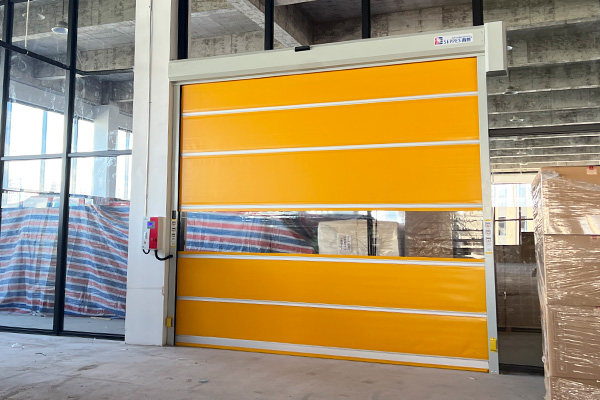
أبواب عالية السرعة لمراكز التوزيع: كيف تعمل أبواب المستودعات عالية السرعة على تحسين انسيابية الحركة
يُعد انسيابية الحركة أحد الأسباب الرئيسية لاستخدام الأبواب عالية السرعة في المنشآت اللوجستية.
لا تقتصر الفائدة على أن الباب يتحرك بشكل أسرع فحسب، بل الهدف هو تقليل الانقطاعات على طول مسارات النقل المستخدمة بكثرة.
فتح وإغلاق أسرع
يقلل الباب السريع من الوقت بين وصول المركبة وعبورها.
ويكون ذلك مفيدًا بشكل خاص في:
- المسارات الرئيسية للرافعات الشوكية
- مداخل الاستلام
- مناطق الشحن
- الفواصل الداخلية للمستودعات
- الممرات اللوجستية عالية التردد
عندما تستخدم عدة مركبات نفس المدخل، يمكن أن تساعد السرعة الأعلى في تقليل الطوابير حول المدخل.
التشغيل التلقائي للرافعات الشوكية
ليس التشغيل اليدوي دائمًا عمليًا في مستودع مزدحم.
يمكن أن يستخدم باب المستودع التلقائي طرق تشغيل مختلفة اعتمادًا على نمط الحركة، بما في ذلك:
- أجهزة استشعار الرادار
- كاشفات الحلقة الحثية
- الحبال السحب
- أجهزة التحكم عن بُعد
- أزرار الضغط
- إشارات التحكم في الدخول
بالنسبة لمسارات الرافعات الشوكية، يسمح الكشف التلقائي للباب بالفتح قبل وصول المركبة إلى المدخل.
يجب ضبط نطاق التشغيل بشكل صحيح بحيث لا يفتح الباب دون حاجة للحركة القريبة التي لا تنوي العبور من خلاله.
تقليل الازدحام عند المداخل المزدحمة
يمكن أن تتحول مداخل المستودعات إلى نقاط اختناق مروري عندما تتشارك الرافعات الشوكية وعربات البليت والمشاة في نفس المنطقة.
لا يمكن للسرعة العالية وحدها حل كل مشكلة مرورية، ولكن الجمع بين سرعة الباب المناسبة وأجهزة الاستشعار المناسبة وأجهزة التحذير وتخطيط الحركة يمكن أن يجعل نقاط الوصول أسهل في الإدارة.
سلامة الرافعات الشوكية حول الأبواب عالية السرعة القابلة لللف
تفرض حركة الرافعات الشوكية متطلبات سلامة محددة حول أبواب المستودعات.
A الباب العازل عالي السرعة القابل للطي يجب أن تشمل أجهزة كشف وسلامة مناسبة بحيث يمكن للنظام الاستجابة عندما يكون الأشخاص أو المعدات داخل المدخل.
أجهزة الاستشعار الكهروضوئية وستائر الأمان الضوئية
يمكن لأجهزة الاستشعار الكهروضوئية اكتشاف وجود عائق في فتحة الباب ومنع الباب من الإغلاق على مركبة أو شخص.
بالنسبة للمداخل المزدحمة، يمكن أن توفر ستارة الأمان الضوئية منطقة كشف أوسع عبر الفتحة.
يجب اختيار إعدادات السلامة الدقيقة وفقًا لحجم المدخل ونوع الحركة وبيئة التشغيل.
الكشف التلقائي قبل إغلاق الباب
يعد تحديد المواقع الصحيح لأجهزة الاستشعار أمرًا مهمًا.
يجب أن يتعرف الباب على الحركة القادمة والمارة مع تجنب التشغيل غير الضروري من المركبات المتحركة بالقرب منه.
في المناطق التي تتشارك فيها الرافعات الشوكية والمشاة في نفس المدخل، قد تكون أجهزة التحذير البصرية الإضافية أو مسارات مرور منفصلة مناسبة أيضًا.
تصميم الإصلاح الذاتي بعد الصدمات العرضية
حتى مع وجود أجهزة الاستشعار، يمكن أن يحدث تلامس عرضي من الرافعات الشوكية في مراكز التوزيع المزدحمة.
بالنسبة للمداخل ذات مخاطر الاصطدام الأعلى، يمكن أن يكون الباب عالي السرعة ذاتي الإصلاح خيارًا عمليًا.
مع تصميم بنمط السحاب، يمكن أن تنفصل الستارة المرنة عن الأدلة الجانبية بعد بعض الصدمات. وخلال دورة التشغيل التالية، يمكن للستارة إعادة الدخول إلى الأدلة دون الحاجة إلى إصلاح تقليدي للمسار.
يساعد ذلك في تقليل مخاطر تعطل ممر مستودع مهم بسبب اصطدام بسيط واحد.
كيف تساعد الأبواب عالية السرعة في فصل مناطق المستودعات
غالبًا ما تحتاج مراكز التوزيع إلى فصل المناطق دون إبطاء العمليات اللوجستية الداخلية.
يمكن للأبواب عالية السرعة إنشاء حاجز مؤقت بين المناطق والبقاء مغلقة عندما لا توجد حركة مرور.
تقليل حركة الهواء غير الضرورية
يحد الإغلاق السريع من مقدار الوقت الذي تظل فيه الفتحة مكشوفة.
يمكن أن يساعد ذلك في تقليل تدفق الهواء غير المنضبط بين:
- المناطق المكيفة وغير المكيفة
- مناطق التخزين والتجهيز
- المستودعات الداخلية ومناطق التحميل
- المساحات المختلفة التي يتم التحكم في درجة حرارتها
الحفاظ على بيئات عمل مختلفة
قد يكون للأقسام المختلفة في مركز التوزيع متطلبات مختلفة فيما يتعلق بدرجة الحرارة، أو التحكم في الغبار، أو النظافة، أو إدارة حركة المرور.
يتيح الباب الأوتوماتيكي السريع بقاء هذه المناطق منفصلة أثناء التشغيل العادي مع توفير وصول مريح عند الحاجة.
تقليل وقت فتح الباب
قد يؤدي ترك مدخل تقليدي مفتوحًا بشكل دائم إلى تحسين سهولة حركة المرور، لكنه يزيل الفصل بين مناطق المستودع.
يوفر الباب عالي السرعة نهجًا آخر: إبقاء المدخل مغلقًا عندما لا يكون قيد الاستخدام وفتحه تلقائيًا عند اقتراب حركة المرور.
الأبواب عالية السرعة وأتمتة مراكز التوزيع
تزداد أهمية الأتمتة في مرافق اللوجستيات الحديثة.
يمكن أن تصبح أنظمة الأبواب جزءًا من عملية مناولة المواد بدلاً من العمل كمعدات معزولة.
أجهزة استشعار الرادار والحركة
توفر أجهزة استشعار الرادار تشغيلًا بدون استخدام اليدين للرافعات الشوكية وحركة المرور المتحركة الأخرى.
غالبًا ما تكون مناسبة للمداخل الداخلية المزدحمة حيث تقترب المركبات من الباب من اتجاهات يمكن التنبؤ بها.
حلقات الاستشعار لحركة المركبات
يمكن لحلقة الحث المثبتة في الأرضية تحديد المركبات التي تدخل منطقة استشعار محددة.
قد يكون ذلك مفيدًا عندما يجب أن يستجيب الباب بشكل خاص لحركة المركبات بدلاً من الحركة العامة حول المدخل.
التكامل مع المركبات الموجهة آليًا (AGVs) وأنظمة النقل
في مراكز التوزيع الآلية، يمكن للأبواب عالية السرعة أيضًا العمل مع المركبات الموجهة آليًا وأنظمة النقل وأنظمة التحكم الأخرى.
على سبيل المثال، يمكن للمركبة الموجهة آليًا إرسال إشارة فتح قبل وصولها إلى المدخل. يفتح الباب، وتمر المركبة، ويغلق النظام الباب بعد خلو المسار.
يساعد هذا النوع من التكامل في الحفاظ على حركة المواد الآلية المستمرة بين المناطق المختلفة.
الأبواب عالية السرعة ذاتية الإصلاح لمراكز التوزيع المزدحمة
يمكن أن يؤثر التوقف عند مدخل لوجستي مهم على أكثر من مدخل واحد. فقد يضطر الرافعات الشوكية إلى استخدام مسارات بديلة ويعطل الحركة الطبيعية للبضائع.
لهذا السبب، يجب اختيار الأبواب المستخدمة في المناطق عالية التأثير مع مراعاة الصيانة والتعافي.
ماذا يحدث عندما تصطدم رافعة شوكية بالباب؟
يمكن أن يؤدي الاصطدام إلى تلف الستارة أو الحافة السفلية أو الأدلة الجانبية أو مكونات أخرى اعتمادًا على تصميم الباب وقوة الاصطدام.
في مستودع مزدحم، يمكن أن يكون وقت الإصلاح الناتج أكثر إعاقة من الاصطدام الأصلي نفسه.
إعادة إدخال الستارة تلقائيًا
النوع ذو السحاب الباب عالي السرعة ذاتي الإصلاح مصمم للتعافي من بعض اصطدامات الستارة.
عندما تنزاح الستارة المرنة عن الدليل، يمكن لدورة الفتح والإغلاق التالية إعادتها إلى موضعها الصحيح.
وهذا يجعل التصميم مناسبًا بشكل خاص لمسارات الرافعات الشوكية الداخلية والمناطق الأخرى ذات حركة مناولة المواد المتكررة.
تقليل الصيانة ووقت التوقف
الفائدة الرئيسية للإصلاح الذاتي هي استمرارية التشغيل.
يساعد تقليل إعادة الضبط اليدوي أو الإصلاح بعد الاصطدامات البسيطة في الحفاظ على توفر ممر مهم وتقليل الانقطاعات غير الضرورية لحركة المستودع.
الباب عالي السرعة مقابل الباب الصناعي القياسي لمراكز التوزيع
يعتمد الباب المناسب على كيفية استخدام المدخل.
| الميزة | باب عالي السرعة | الباب الصناعي القياسي |
|---|---|---|
| الفتح والإغلاق | تشغيل سريع | التشغيل التقليدي |
| تكرار حركة المرور | مصمم للوصول المتكرر | مناسب لحركة المرور المنخفضة أو المتوسطة اعتمادًا على التصميم |
| مسارات الرافعات الشوكية | مناسب تمامًا للممرات المزدحمة | مناسب عندما يكون وقت الانتظار أقل أهمية |
| التشغيل التلقائي | تتوفر خيارات متعددة لأجهزة الاستشعار | تعتمد الأتمتة على التكوين |
| فصل المناطق | وقت فتح قصير | دورة فتح أطول |
| التعافي من الصدمات | خيارات الإصلاح الذاتي متاحة | يعتمد على هيكل الباب |
| الاستخدام النموذجي | مسارات اللوجستيات المزدحمة والمناطق الخاضعة للتحكم | المستودعات العامة ومداخل المباني |
يظل الباب الصناعي القياسي مناسبًا للعديد من تطبيقات المستودعات. بينما يصبح الباب عالي السرعة أكثر فائدة عندما تكون الحركة المتكررة، وأوقات الفتح القصيرة، والوصول التلقائي من الأولويات.
كيفية اختيار الأبواب عالية السرعة لمراكز التوزيع
لا يوجد تكوين واحد للباب عالي السرعة مناسب لجميع مراكز التوزيع.
قبل اختيار الباب، تحقق من الشروط التالية.
1. حجم فتحة الباب
قم بقياس العرض والارتفاع الصافيين للفتحة.
قد تتطلب المداخل الخارجية الكبيرة هيكل باب مختلفًا عن ممرات الرافعات الشوكية الداخلية الأصغر.
2. تكرار حركة المرور اليومية
قدّر عدد مرات تشغيل الباب يوميًا.
مسار حركة المرور عالي الدورات يتطلب نظام باب مصممًا للاستخدام المتكرر.
3. التركيب الداخلي أو الخارجي
تركز الأبواب الداخلية بشكل أساسي على كفاءة الحركة وفصل المناطق.
قد تحتاج الأبواب الخارجية أيضًا إلى مراعاة مقاومة الرياح، والأمطار، وفروق درجات الحرارة، وأمن المبنى.
4. نوع حركة المرور
حدد ما إذا كان المدخل يُستخدم بشكل أساسي بواسطة:
- الرافعات الشوكية
- عربات البليت
- المركبات الموجهة الآلية (AGVs)
- الشاحنات
- المشاة
- حركة مرور مختلطة
يؤثر ذلك على حجم الفتحة المطلوبة، ونوع المستشعرات، والتكوين الأمني.
5. طريقة التشغيل
اختر نظام التشغيل وفقًا لنمط حركة المرور.
قد يعمل الرادار بشكل جيد للوصول التلقائي للرافعات الشوكية، بينما يمكن أن تكون حلقات الاستشعار مفيدة للكشف الخاص بالمركبات. وقد تتطلب مسارات المركبات الموجهة الآلية (AGVs) تكاملًا مباشرًا مع النظام.
6. متطلبات السلامة
ضع في الاعتبار المستشعرات الكهروضوئية، والستائر الضوئية، والحواف الآمنة، وأضواء التحذير، وغيرها من أجهزة السلامة وفقًا للتطبيق.
ما هو الباب عالي السرعة الأنسب لمركز التوزيع الخاص بك؟
تتطلب مناطق اللوجستيات المختلفة حلول أبواب مختلفة.
| منطقة التطبيق | الباب الموصى به | المتطلبات الرئيسية |
|---|---|---|
| مسار الرافعة الشوكية الداخلية | باب PVC عالي السرعة القابل للفرد | تدفق حركة سريع |
| مسار الرافعة الشوكية عالي الصدمات | باب عالي السرعة ذاتي الإصلاح | التعافي من الصدمات |
| مدخل خارجي كبير | باب التكديس عالي السرعة | مقاومة الرياح |
| منطقة مكيفة الحرارة | باب عالي السرعة معزول | تقليل تبادل الهواء |
| مسار المركبات الموجهة الآلية (AGVs) أو الناقل | باب عالي السرعة تلقائي | تكامل النظام |
| مدخل يتطلب ألواحًا صلبة | Rigid High Speed Door | Rigid separation and fast access |
The best choice should be based on the actual opening, traffic frequency, environmental conditions, and automation requirements rather than selecting one door type for the entire facility.
High Speed Door Solutions for Efficient Distribution Centers
أبواب عالية السرعة لمراكز التوزيع can support faster internal traffic, safer forklift movement, automatic access, and better separation between warehouse zones.
The most effective solution starts by understanding how goods move through the facility. A receiving entrance, internal forklift passage, temperature-controlled room, and automated AGV route may all require different door configurations.
By matching the door type, activation method, safety system, and operating frequency to each location, distribution centers can create more efficient access points without adding unnecessary complexity to daily logistics.

