

Proyecto de Exportación de Puertas de PVC de Alta Velocidad a Argentina: Por Qué Son Clave para la Productividad Industrial
Argentina está experimentando un auge en su sector industrial y, junto con este crecimiento, surge una creciente demanda de enfoques novedosos para mejorar la productividad, optimizar procesos y minimizar costos. En el escenario industrial mundial, las puertas rápidas de PVC han demostrado ser una solución revolucionaria, y en el ámbito industrial global, el PVC ha demostrado ser un activo revolucionario, con una velocidad, durabilidad y ahorro energético inigualables. Esta publicación de blog analiza y explica por qué las puertas rápidas de PVC son una parte integral y esencial de las operaciones industriales argentinas. Desde mantener y sostener condiciones ambientales ideales hasta reducir los tiempos de inactividad, las puertas rápidas enrollables de PVC son, sin duda, elementos transformadores para las crecientes industrias argentinas.
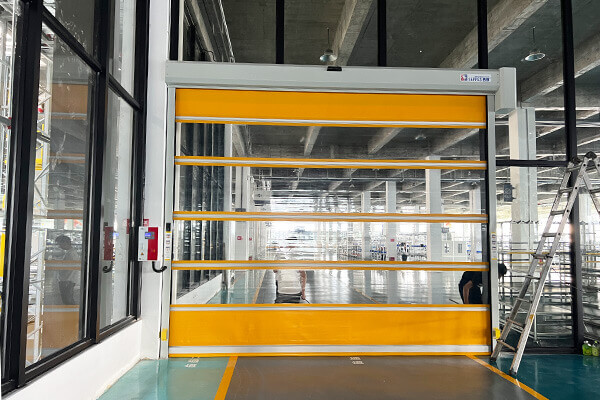
¿Qué Son las Puertas Rápidas Enrollables de PVC?
Definición y características clave
Las puertas rápidas enrollables de PVC son puertas industriales de vanguardia diseñadas para lograr eficiencia, construcción robusta y uso rápido en entornos concurridos. Una cortina de PVC única, flexible y resistente, permite maniobras de enrollado rápidas, facilitando una operación fluida. Algunas características definitorias de las puertas rápidas enrollables de PVC son los menores costos energéticos debido al intercambiador y al aire exterior, excelentes incluso para el uso en tráfico más intenso. Además, cuentan con características de protección avanzadas, como sensores que evitan que las puertas se cierren sobre su objetivo. También, debido a que las opciones de diseño son ilimitadas. Son la solución más eficaz y versátil para una amplia gama de aplicaciones comerciales e industriales. Su diseño de fácil mantenimiento y la extrema eficiencia en la mejora del flujo de trabajo y el apoyo a los empleados, consolidan que son vitales para empresas progresistas y con conciencia ecológica.
Cómo se diferencian de las puertas industriales tradicionales
Las puertas rápidas enrollables se diferencian de las puertas industriales convencionales en que estas últimas son operativamente menos eficientes, desperdician energía y son tecnológicamente menos avanzadas. En el caso de puertas industriales como las seccionales y las de persiana enrollable, tienden a tardar más en abrirse y cerrarse, lo que genera tiempos de espera más largos y una mayor pérdida de energía. Las investigaciones han demostrado que las puertas rápidas pueden abrirse y cerrarse a velocidades asombrosas de 60 a 100 pulgadas por segundo. El tiempo que tardan los vehículos y el personal en atravesar las puertas se reduce enormemente. Esto fomenta el flujo de trabajo y disminuye el tiempo de inactividad, algo crítico en las horas industriales de mayor actividad.
Otra diferencia fundamental radica en el aislamiento y el control climático. Las puertas rápidas suelen construirse con mecanismos de sellado superiores y materiales aislantes, minimizando el intercambio de aire entre los espacios interiores y exteriores. Según estudios, esto puede reducir los costos energéticos hasta en un 30% en instalaciones con temperatura controlada, lo que las hace más adecuadas para industrias como el almacenamiento de alimentos, productos farmacéuticos o entornos de salas limpias.
La personalización es otro factor diferenciador. Las puertas rápidas están disponibles en varios diseños, materiales y tipos operativos para adaptarse a requisitos industriales específicos. Por el contrario, las puertas tradicionales pueden ofrecer opciones limitadas, lo que a menudo restringe su aplicación en instalaciones modernas y diversificadas.
| Característica | Puertas Rápidas Enrollables de PVC | Puertas Industriales Tradicionales (ej., seccionales, correderas, batientes) |
| Velocidad de Apertura/Cierre | Muy Rápida: Normalmente 0.8-1.5 m/s | Lenta a Moderada: Normalmente 0.1-0.3 m/s |
| Eficiencia energética | Alta: El tiempo mínimo de apertura reduce drásticamente el intercambio de aire | Baja a Moderada: Los tiempos de apertura más largos provocan una pérdida significativa de calor/frío |
| Control de Higiene | Excelente: PVC sellado herméticamente, liso y fácil de limpiar, espacios mínimos | Moderado: A menudo tiene más espacios, es más difícil de limpiar, puede albergar polvo/plagas |
| Incluye elementos de seguridad como sensores infrarrojos y cortinas de luz para prevenir lesiones y garantizar la seguridad en zonas de alto tráfico. | Avanzada: Sensores fotoeléctricos, bordes inferiores suaves, parada de emergencia, paneles de visión clara | Básica a Moderada: Puede tener bordes de seguridad básicos, visibilidad limitada |
| Durabilidad y Longevidad | Ciclo de Vida Alto: Diseñado para millones de ciclos, tejido de PVC resistente | Ciclo de Vida Moderado: Desgaste mecánico en bisagras, paneles, rodillos |
| Resistencia al Viento | Buena: Cortina flexible con barras de viento o sistemas de cremallera para soportar cargas de viento de moderadas a altas | Buena a Excelente: Los paneles rígidos ofrecen una fuerte resistencia al viento |
| Nivel de Ruido | Bajo: Operación suave y silenciosa gracias a la cortina flexible y la mecánica avanzada | Moderado a Alto: Puede ser ruidoso debido a componentes metal contra metal, cadenas |
| Requisito de Espacio | Mínimo: Se enrolla verticalmente en un cabezal compacto | Moderado a Alto: Requiere rieles elevados, espacio lateral o espacio de giro |
| Visibilidad | Opcional: Paneles de visión clara o secciones completamente transparentes disponibles | Limitada: Ventanas pequeñas o sin visibilidad |
| Mantenimiento | Bajo: Menos piezas móviles, cortinas auto-reparables (en algunos modelos) | Moderado a Alto: Lubricación regular, reemplazo de componentes |
| Resistencia a la Corrosión | Excelente: El PVC es altamente resistente a la corrosión y productos químicos | Variable: Los componentes metálicos pueden ser susceptibles a la oxidación/corrosión |
Aplicaciones comunes en las industrias
- Instalaciones de Fabricación
- Almacenes y centros logísticos
- Industria de Alimentos y Bebidas
- Industrias Automotrices
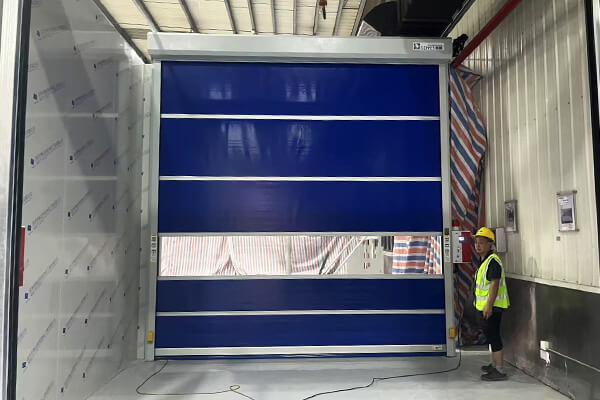
El Panorama Industrial en Argentina
Panorama Económico y Crecimiento Industrial
Diversos factores han contribuido a dar forma al panorama industrial argentino, como los recursos naturales y la tecnología. Así como la abundancia de materias primas industriales y su favorable distribución geográfica. Argentina es abundante en agricultura, automoción y procesamiento de alimentos, lo que impulsa la economía. La contracción de la economía ha ejercido una presión adicional creciente sobre la demanda de nuevas tecnologías y dispositivos en las industrias manufactureras, logísticas y otras. Las políticas de infraestructura y desarrollo del país también ayudan a una mayor diversificación industrial, una diversificación que, a su vez, mejorará la economía del país. Todos estos factores fortalecen la continua evolución industrial de Argentina.
Industrias clave que pueden beneficiarse de las puertas rápidas de PVC de alta velocidad
Desafíos que obstaculizan la productividad
- Tiempo de inactividad frecuente debido a fallas en los equipos: Los estudios demuestran que las averías inesperadas de la maquinaria pueden representar hasta el 20% del tiempo de producción perdido en las instalaciones de fabricación.
- Flujo de trabajo ineficiente y manejo de materiales: Las ineficiencias en el flujo de trabajo generan cuellos de botella, y el 30% de las operaciones citan esto como un problema importante.
- Alto consumo de energía: El aislamiento deficiente y los sistemas de entrada obsoletos causan una pérdida excesiva de energía, aumentando los costos operativos en un estimado del 15–25% en muchos entornos de producción.
- Incidentes de seguridad y riesgos de contaminación: La separación inadecuada entre zonas conduce a mayores tasas de accidentes y violaciones de higiene.
- Demoras en mantenimiento y reparación: Los programas de mantenimiento prolongados y las reparaciones lentas detienen la producción, y algunas fábricas reportan hasta una reducción anual del 12% en la productividad debido a servicios retrasados.
Cómo las puertas rápidas de PVC de alta velocidad impulsan la productividad en Argentina
Impacto directo en el rendimiento y el flujo (velocidad)
Al reducir el tiempo de tránsito entre zonas, las puertas rápidas de PVC de alta velocidad aumentan mínimamente el rendimiento y la productividad operativa. A diferencia de las puertas tradicionales que pueden ser frustrantemente lentas, estas puertas se abren rápidamente, reduciendo drásticamente el tiempo de espera. Esto permite optimizar las operaciones y mejorar la productividad, ya que el movimiento de personal, vehículos y mercancías no se ve obstaculizado. También ayudan a minimizar la demora en operaciones que requieren control de higiene y clima, ya que se cierran rápidamente. Con zonas limpias y controladas y un movimiento fluido, las puertas rápidas son esenciales para el complejo industrial. Garantizan higiene, productividad y un rendimiento industrial moderno y sin esfuerzo.
Eficiencia energética y ahorro de costos (gestión de recursos)
Las puertas rápidas de PVC de alta velocidad desempeñan un papel fundamental en la mejora de la eficiencia energética y la promoción del ahorro de costos en instalaciones industriales. Sus mecanismos rápidos de apertura y cierre minimizan el intercambio de aire entre diferentes zonas, ayudando a mantener temperaturas interiores constantes. Esto es particularmente crucial en entornos con temperatura controlada, como cámaras frigoríficas o salas limpias, donde cualquier fluctuación podría conducir a un mayor consumo de energía y posible deterioro del producto. Al reducir la pérdida de energía, estas puertas ayudan a disminuir los costos de calefacción, refrigeración y ventilación, lo que las convierte en una solución ecológica y rentable. Además, su construcción duradera garantiza un ciclo de vida prolongado, reduciendo la necesidad de mantenimiento o reemplazos frecuentes, lo que contribuye aún más al ahorro operativo con el tiempo.
Higiene mejorada y control de calidad (integridad del producto)
Las puertas rápidas de enrollar desempeñan un papel crítico en el mantenimiento de la higiene y la garantía de la integridad del producto, particularmente en industrias como la de procesamiento de alimentos, productos farmacéuticos y electrónica. Sus velocidades rápidas de apertura y cierre minimizan la exposición a contaminantes externos, como suciedad, polvo y partículas en el aire, lo que ayuda a mantener estrictos estándares de higiene. Además, estas puertas facilitan el mantenimiento de entornos con temperatura controlada, lo cual es crucial para preservar la calidad y seguridad de los productos perecederos. Al actuar como una barrera robusta, las puertas rápidas no solo previenen la contaminación cruzada, sino que también respaldan el cumplimiento de regulaciones y certificaciones de la industria, protegiendo en última instancia tanto la integridad del producto como la confianza del consumidor.
Seguridad mejorada y reducción de accidentes (productividad de la fuerza laboral)
Las puertas rápidas contribuyen significativamente a la seguridad en el lugar de trabajo y a la reducción de accidentes, mejorando directamente la productividad de la fuerza laboral. Sus mecanismos rápidos de apertura y cierre minimizan el riesgo de colisiones al garantizar una visibilidad clara y reducir posibles demoras en los puntos de acceso. Además, las características avanzadas de seguridad, como sensores integrados y sistemas de detección de movimiento, previenen la operación accidental de la puerta y garantizan la protección del personal y los equipos. Estas puertas rápidas de enrollar crean un lugar de trabajo más seguro, reducen accidentes, minimizan lesiones y fomentan una cultura de seguridad primero, permitiendo que los empleados se concentren en sus tareas de manera eficiente.
Durabilidad y bajo mantenimiento (tiempo operativo)
Las puertas rápidas de enrollar están diseñadas con materiales robustos como acero inoxidable, aluminio de alta resistencia y PVC reforzado, lo que garantiza que soporten entornos hostiles y un uso extensivo sin comprometer el rendimiento. Su durabilidad reduce significativamente la necesidad de reemplazos frecuentes, disminuyendo los costos operativos con el tiempo. Además, estas puertas requieren un mantenimiento mínimo debido a características de ingeniería avanzadas, como mecanismos de autorreparación y componentes resistentes al desgaste. Esta combinación de durabilidad y bajo mantenimiento mejora el tiempo operativo, permitiendo a las empresas mantener flujos de trabajo fluidos y centrarse en la productividad sin interrupciones costosas ni tiempos de inactividad prolongados.
¿Por qué exportar puertas rápidas de PVC de alta velocidad a Argentina?
Demanda del mercado de soluciones industriales modernas
Argentina ha visto una creciente necesidad de soluciones industriales modernas, impulsada por la expansión de los sectores de manufactura, logística y almacenamiento en todo el país. Las empresas buscan activamente tecnologías innovadoras para mejorar la eficiencia y reducir los costos operativos, creando una demanda significativa de puertas rápidas de PVC de alta velocidad. Estas puertas se alinean perfectamente con las necesidades industriales de Argentina al ofrecer velocidades rápidas de apertura y cierre, mejorar la eficiencia del flujo de trabajo y mantener entornos controlados. A medida que las industrias priorizan cada vez más la productividad y el ahorro de energía, exportar puertas rápidas de PVC de alta velocidad a Argentina presenta una oportunidad valiosa para satisfacer esta demanda creciente y apoyar la infraestructura industrial en evolución del país.
Oportunidades para exportadores: potencial sin explotar en diversas industrias argentinas
El diverso panorama industrial de Argentina ofrece un potencial significativo sin explotar para los exportadores de puertas rápidas de PVC de alta velocidad. Sectores clave como el procesamiento de alimentos, productos farmacéuticos, logística y manufactura automotriz están en constante crecimiento y requieren soluciones avanzadas para mejorar la eficiencia y mantener estrictos controles ambientales. Por ejemplo, la industria de procesamiento de alimentos exige puertas que puedan garantizar higiene y estabilidad de temperatura, mientras que el sector logístico se beneficia de soluciones que optimizan las operaciones y reducen el tiempo de inactividad. El rápido ritmo del avance tecnológico y el creciente énfasis en prácticas sostenibles en estas industrias subrayan la necesidad de actualizaciones modernas de infraestructura, creando un terreno fértil para que los exportadores introduzcan productos innovadores y energéticamente eficientes adaptados a estas necesidades específicas. Al abordar estas demandas con precisión y confiabilidad, los exportadores pueden establecer una posición sólida en el mercado industrial en evolución de Argentina.
Ventajas competitivas de las puertas rápidas de enrollar en el mercado argentino
Eficiencia energética mejorada
Las puertas rápidas de enrollar minimizan la pérdida de energía al reducir el tiempo que las puertas permanecen abiertas durante las operaciones. Según estudios de la industria, estas puertas pueden disminuir el consumo de energía hasta en un 30% en instalaciones que requieren entornos con temperatura controlada, un beneficio crítico en las variadas condiciones climáticas de Argentina.
Productividad mejorada
Las puertas rápidas de alta velocidad tienen valor y utilidad, logrando aperturas y cierres a velocidades que superan las 40 pulgadas por segundo, mejorando así la productividad de personas y vehículos. Esto es más útil en manufactura y logística, donde se prefiere un trabajo rápido y fluido.
Menor costo de mantenimiento
Mantener un negocio argentino es más fácil, ya que estas puertas no requieren más del 20% del costo requerido para ahorros, lo que las hace económicamente útiles. Estas puertas también tienen materiales de baja fricción, disminuyendo así la fricción, el desgaste y la rotura de las puertas. El costo de mantenimiento se facilita con estas puertas instaladas.
增强安全性
Estas puertas proporcionan seguridad superior al integrar mecanismos de bloqueo avanzados y funcionalidad de cierre rápido. Tales características minimizan el riesgo de acceso no autorizado y robo, abordando las preocupaciones de seguridad frecuentemente prevalentes en las zonas industriales urbanas de Argentina.
Cumplimiento de estándares de salud y seguridad
Muchas puertas rápidas de enrollar cumplen con rigurosos estándares internacionales de salud y seguridad, garantizando un entorno de trabajo limpio y seguro. Esta característica es particularmente valiosa en los sectores argentinos de alimentos y productos farmacéuticos, donde la higiene y la seguridad son primordiales.
Consideraciones clave para exportar a Argentina
Comprensión de las regulaciones y estándares de importación argentinos
Las empresas que exportan bienes a Argentina deben observar aduanas y estándares particulares, ya que el país ha establecido directrices para la importación de bienes. Los importadores también deben cumplir con las formalidades aduaneras y obtener un Código Único de Identificación Tributaria (CUIT), junto con la inscripción en el Registro de Importadores y Exportadores. Además, algunos bienes podrían necesitar Licencias de Importación No Automáticas (LNA) y certificados locales de calidad y cumplimiento de seguridad. El gobierno argentino aplica aranceles y otros impuestos, cuyas tasas dependen de la partida arancelaria bajo el sistema de Nomenclatura Común del Mercosur (NCM). La responsabilidad recae en los exportadores de obtener la documentación requerida y evaluar cómo otras regulaciones técnicas aplicables de Argentina, como etiquetado específico o certificados fitosanitarios para productos agrícolas, pueden facilitar el acceso al mercado argentino.
Requisitos logísticos y de envío para puertas rápidas de PVC
Las puertas rápidas de PVC requieren un manejo cuidadoso durante el envío para garantizar que lleguen a tiempo y sin daños. Generalmente se empacan en materiales protectores. Los exportadores deben asegurarse de que el empaque cumpla con los estándares internacionales de envío y las reglas del país importador. Los documentos aduaneros estándar—facturas, listas de empaque y certificados de origen—también son esenciales. Para una entrega fluida en Argentina, es mejor elegir un socio logístico familiarizado con las políticas y el transporte locales.
Importancia de las alianzas locales y el soporte postventa
Las alianzas locales juegan un papel vital en el establecimiento de una presencia exitosa en los mercados internacionales. Colaborar con socios locales confiables garantiza una mejor navegación del panorama regulatorio, los matices culturales y las preferencias del consumidor específicas de la región. Estas alianzas también permiten una adaptación más rápida a las demandas del mercado y fomentan la confianza entre los clientes al proporcionar un punto de contacto local para servicios o consultas. De manera similar, un soporte postventa robusto es un factor crítico para mantener la satisfacción y lealtad del cliente. Ofrecer canales de soporte accesibles y receptivos demuestra un compromiso con el cuidado del cliente, lo que no solo fortalece la reputación de la marca, sino que a menudo influye en la repetición de negocios y referencias positivas de boca en boca. Juntas, las alianzas locales y el soporte postventa efectivo forman la columna vertebral de una estrategia comercial internacional sostenible y próspera.
Conclusión
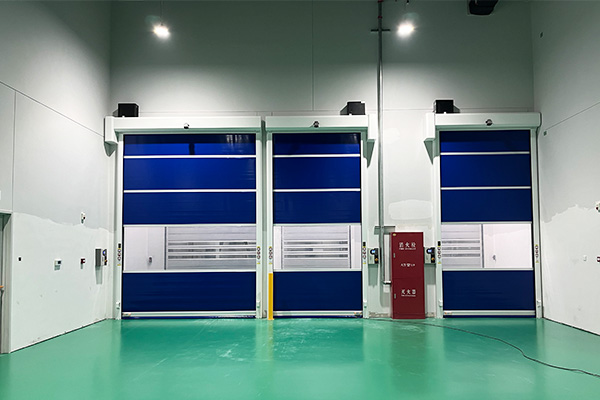
La expansión a mercados internacionales requiere una combinación reflexiva de planificación estratégica, comprensión del mercado y enfoques localizados. Al aprovechar los conocimientos del cliente, construir alianzas confiables y centrarse en soluciones personalizadas, las empresas pueden superar desafíos y lograr un crecimiento sostenido. El éxito de las instalaciones de puertas rápidas de PVC en regiones como Argentina ilustra el potencial para impulsar la eficiencia operativa y la satisfacción del cliente. Con dedicación a la calidad, la innovación y el soporte postventa, las empresas pueden posicionarse con confianza como líderes en el mercado global.

