
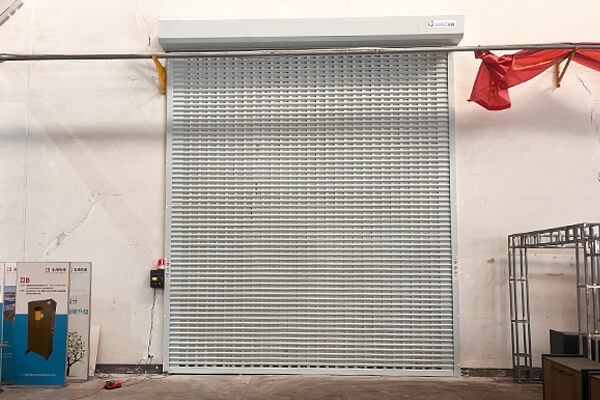

باب مصراعي من الألمنيوم المثقب لتصنيع معدات الطاقة الكهروضوئية
تُعدّ إمكانية الوصول وتدفق الهواء ومساحة التركيب تحديات عملية في تصميم معدات الطاقة الكهروضوئية. إنّ باب الدحرجة من الألومنيوم المثقّب يوفر فتحاً عمودياً ويسمح للهواء بالمرور عبر الستارة المغلقة، مما يجعله خياراً لأغلفة المعدات حيث لا يكون الإغلاق الكامل مطلوباً.
لا تعتمد الملاءمة على أبعاد الفتحة فحسب. فنمط الثقوب وتكرار التشغيل ومتطلبات التحكم كلها عوامل مهمة. يوضح هذا الدليل أين يمكن أن تتناسب مصاريع الدحرجة من الألومنيوم المثقّب في تصنيع معدات الطاقة الكهروضوئية وما يجب التحقق منه قبل تحديد مواصفات الباب.
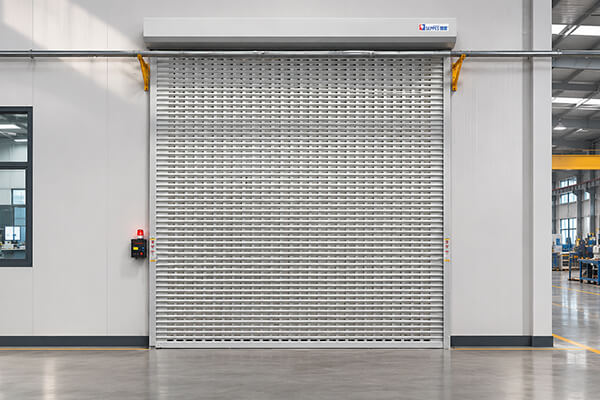
ما هو باب الدحرجة من الألومنيوم المثقّب؟
يتكون باب الدحرجة من الألومنيوم المثقّب من ستارة مصنوعة من شرائح ألومنيوم متشابكة ذات فتحات صغيرة. تسمح هذه الثقوب بمرور الهواء والضوء عبر الستارة المغلقة مع توفير رؤية جزئية. بالنسبة لأغلفة معدات الطاقة الكهروضوئية، قد يناسب هذا التصميم فتحات الوصول حيث تكون التهوية مطلوبة والإغلاق الكامل غير ضروري.
المكونات الأساسية ومبدأ التشغيل
مثل أبواب الدحرجة الأخرى، يتحرك المصراع عمودياً على طول الأدلة الجانبية ويلتف حول عمود فوق الفتحة. يتجنب هذا الترتيب خلوص التأرجح الذي تتطلبه الأبواب المفصلية، وإن كانت البكرة والأدلة لا تزال تتطلب مساحة تركيب.
المكونات الرئيسية هي الستارة المصنوعة من الشرائح والقضبان الدليلية وعمود البكرة والقضيب السفلي وآلية التشغيل. توجه الأدلة حركة الستارة، بينما يعزز القضيب السفلي حافتها السفلية. يمكن أن يكون التشغيل يدوياً أو آلياً، حسب التكوين ومتطلبات الوصول.
كيف تختلف الستائر المثقّبة عن التصاميم الصلبة
توفر الستارة المثقّبة مسارات لتدفق الهواء عبر الشرائح؛ بينما لا تفعل الستارة الصلبة ذلك. يؤثر حجم الفتحات وتباعدها ونسبتها على تدفق الهواء والرؤية والأداء الهيكلي.
لا ينبغي افتراض أن أي من التصميمين يوفر إحكاماً ضد الغبار أو حماية للآلات. يعتمد الاختيار على وظيفة الغلاف والظروف البيئية وأي مخاطر محددة.
لماذا النظر في المصاريع المثقّبة لمعدات الطاقة الكهروضوئية؟
غالباً ما يحتاج مصممو معدات الطاقة الكهروضوئية إلى الموازنة بين التهوية ووصول الفحص ومساحة الأرضية المحدودة. يمكن للمصاريع المثقّبة تلبية هذه الاحتياجات في فتحات الأغلفة المناسبة. وتعتمد قيمتها على تخطيط المعدات وظروف التشغيل ومستوى الفصل المطلوب.
تدفق الهواء عبر ستارة مغلقة
قد تحتاج أغلفة المعدات إلى تهوية حتى عندما تكون فتحات الوصول مغلقة. توفر الستارة المثقّبة مساراً لمرور الهواء، مما يمكن أن يدعم تصميم التهوية للغلاف دون ترك الباب مفتوحاً.
ومع ذلك، لا تضمن الثقوب وحدها التبريد الكافي. يجب على المهندسين تقييم نسبة المساحة المفتوحة ومقاومة تدفق الهواء والحمل الحراري للمعدات إلى جانب أي مراوح أو أنظمة استخراج. حيثما تكون هناك حاجة للتحكم في الغبار أو فصل الضغط، قد تكون الستارة المفتوحة غير مناسبة.
رؤية جزئية لفحص المعدات
قد تحتاج فرق الصيانة إلى التحقق من مؤشر أو تحديد عائق واضح قبل اتخاذ قرار فتح الغلاف. يمكن للشرائح المثقّبة توفير وصول بصري محدود بينما يظل المصراع مغلقاً.
تعتمد الرؤية المفيدة على حجم الثقب والإضاءة وزاوية المشاهدة وموضع المكونات الداخلية. لذلك يجب تقييم الستارة من موضع المشاهدة المعتاد للمشغل. ولا يمكنها أن تحل محل نافذة فحص واضحة حيث تكون المراقبة التفصيلية ضرورية.
الفتح العمودي ومساحة التركيب
تتطلب الأبواب المفصلية خلوص تأرجح قد يتعارض مع المعدات المجاورة أو الممرات أو مناطق الصيانة. يتجنب المصراع الذي يلتف عمودياً منطقة التأرجح هذه وقد يبسط الوصول في تخطيطات الإنتاج المدمجة.
لا يزال التركيب يحتاج إلى ارتفاع كافٍ للبكرة وخلوص جانبي للأدلة ووصول للصيانة. يساعد تأكيد هذه الأبعاد مبكراً في تجنب التعارضات أثناء تجميع المعدات.
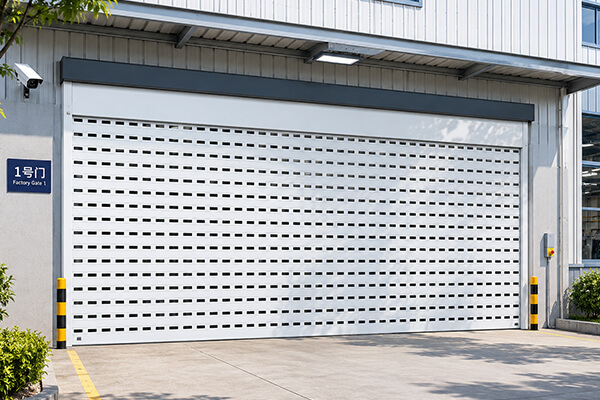
أبواب الدحرجة من الألومنيوم: المواد وتصميم الستارة
يجب أن يتوافق تصميم ستارة أبواب الدحرجة من الألومنيوم مع بيئة تشغيل الغلاف ومتطلبات الوصول. بالنسبة لمعدات الطاقة الكهروضوئية، يجب تقييم اختيار المواد وبناء الشرائح وتخطيط الثقوب معاً بدلاً من تحديدها بشكل مستقل.
بناء الشرائح وتشطيب السطح
تشكل شرائح الألومنيوم المتشابكة الستارة وتسمح لها بالالتفاف فوق الفتحة. يؤثر مقطع الشريحة وسماكتها وتفاصيل توصيلها على وزن التجميع وصلابته وسلوكه أثناء الدحرجة. يجب أن يتبع الاختيار الحدود الموثقة من الشركة المصنعة لأبعاد الفتحة وتكرار التشغيل.
يستحق تشطيب السطح الاهتمام أيضاً. حسب خيارات المنتج المتاحة، يمكن النظر في الأنودة أو الطلاء بالمسحوق. تأكد من التوافق مع رطوبة الموقع وعوامل التنظيف وطرق التنظيف، خاصة حيث يُتوقع تناثر مواد كيميائية أو مسح متكرر. اطلب إرشادات الصيانة للتشطيب المحدد.
نمط الثقوب ونسبة المساحة المفتوحة
عند تحديد مواصفات مصراع دحرجة مثقّب من الألومنيوم, ، قيّم شكل الثقب وحجمه وتباعده إلى جانب بنية الستارة. تصف نسبة المساحة المفتوحة proportion المساحة المثقّبة التي تشغلها الفتحات؛ ولا تحدد مباشرة معدل تدفق الهواء عبر الباب المركب.
قد تدعم المساحة المفتوحة الأكبر التهوية والرؤية، لكن يجب أيضاً مراعاة المتطلبات الهيكلية والوصول إلى المخاطر الداخلية. اطلب من المورد رسم الثقوب وأساس حساب المساحة المفتوحة وبيانات الأداء ذات الصلة.
التطبيقات المحتملة في معدات تصنيع الطاقة الكهروضوئية
قد يناسب باب الدحرجة من الألومنيوم المثقّب فتحات وصول مختارة في معدات تصنيع الطاقة الكهروضوئية حيث يكون تدفق الهواء والرؤية الجزئية وحركة الفتح المدمجة مفيدة. يجب تقييم كل موقع وفقاً لغرض الغلاف ومهام الصيانة وظروف التشغيل.
أغلفة المعدات المساعدة والخدمات
قد تحتاج فتحات الخدمة حول المعدات المساعدة إلى البقاء مغلقة مع السماح بالتهوية. يمكن النظر في ستارة مثقّبة حيث يحتاج الفنيون إلى وصول عرضي للمكونات ولا يحتاج غلاف المعدات إلى فصل محكم.
قبل تحديد مواصفات المصراع، تأكد من متطلبات التهوية والتعرض للغبار والتوافق مع إجراءات التنظيف. تجنب المواضع التي قد تمر فيها الملوثات المحمولة جواً أو تناثر السوائل عبر الثقوب وتؤثر على المكونات الحساسة.
وصول الصيانة حول أنظمة المناولة الآلية
حول معدات المناولة الآلية، قد تتنافس أبواب الوصول المفصلية مع الناقلات أو الآلات المجاورة أو مسارات الصيانة على المساحة. قد يوفر المصراع الذي يلتف عمودياً وصولاً للصيانة دون أن تمتد ضلفة الباب إلى هذه المناطق.
يجب أن تستوعب الفتحة أيضاً الأدوات وقطع الغيار وحركات الفني المطلوبة للصيانة. حيثما يوفر الوصول إلى حركة خطرة، يتطلب الترتيب الكامل تقييماً للسلامة، بما في ذلك أي تشابك ضروري وتدابير لمنع الوصول عبر الستارة.
الفتحات المحيطية بالقرب من معدات التجميع
قد تستفيد فتحات الخدمة المحيطية بالقرب من معدات التجميع من مصراع حيث تكون الفحوصات الروتينية والاستبدال العرضي للمكونات مطلوبة. يمكن أن تساعد الرؤية الجزئية الموظفين في تقييم ما إذا كان الفحص الأدق ضرورياً.
تعتمد الملاءمة على العمليات القريبة. أبقِ التصاميم المثقّبة منفصلة عن التطبيقات التي تتطلب نظافة خاضعة للرقابة أو فصلاً محكماً أو احتواء الليزر أو غرف عمليات محكمة. تأكد من الموقع المقترح مع مصمم المعدات قبل إنهاء تكوين الباب.
أبواب الدحرجة الكهربائية: تكامل التشغيل والتحكم
بالنسبة لمعدات الطاقة الكهروضوئية، يجب اختيار أبواب الدحرجة الكهربائية بناءً على مهمة الوصول ودورة التشغيل. ففتحة الصيانة التي تُستخدم بضع مرات في كل وردية لها متطلبات مختلفة عن باب يتحرك بشكل متكرر أثناء الإنتاج.
تكرار التشغيل واختيار آلية التشغيل
Define the expected cycles per hour, periods of continuous use and required opening time before selecting the drive. The supplier should confirm suitability for the curtain dimensions, weight and duty cycle.
Check the available power supply and space for the motor, cables and service access. Avoid specifying a faster opening speed without considering stopping behaviour, moving-door hazards and the equipment’s control sequence.
Door Position Feedback and Control Interfaces
The machine designer should define which signals are needed, such as open, closed, movement command and fault status. Confirm that the proposed drive and controller support these functions and document the interface before installation.
A standard position signal should not be assumed to perform a safety function. Where machine operation depends on the door’s position, specify the required safety functions separately and validate the complete arrangement.
Maintenance Access and Manual Operation
Consider how technicians will access the enclosure following a power failure or drive fault. Where manual operation is available, confirm how it works, where it can be reached and whether the curtain remains controlled during use.
Include the operating instructions in the equipment documentation. Manual opening does not replace the isolation procedures required before maintenance.
7 Essential Checks Before Specifying a Perforated Aluminum Roller Shutter Door
Before choosing a shutter for photovoltaic equipment, confirm how the opening will be used and what the enclosure must achieve. These seven checks provide a practical starting point for discussions with the supplier.
1. Clear Opening Dimensions
Specify the usable width and height required after installation. Allow for the tools, replacement parts and maintenance tasks that must pass through the opening.
2. Headroom and Side Clearances
Check the space available for the coil, guides, drive and mounting brackets. Include service access so components can be inspected or replaced without unnecessary dismantling.
3. Perforation Pattern and Ventilation Needs
Review hole size, spacing and open-area ratio against the enclosure’s ventilation requirements. Open-area percentage alone does not establish the airflow through the installed assembly.
4. Material, Finish and Cleaning Conditions
Confirm the slat specification and finish against humidity, cleaning agents and potential splashes. Ask for cleaning and maintenance instructions for the proposed configuration.
5. Operating Frequency and Drive Selection
Provide the expected cycles per hour, opening time and available power supply. The supplier should confirm that the drive is suitable for the curtain size, weight and operating pattern.
6. Control Interfaces and Position Feedback
Define the commands, position signals and fault information required by the equipment controller. Document supported interfaces before installation rather than assuming compatibility.
7. Safety and Maintenance Access
Assess hazards associated with door movement and access to equipment behind the curtain. Where reaching towards a machinery hazard is possible, consult relevant guidance such as ISO 13857 on machinery safety distances as part of the risk assessment. This reference does not establish certification of the door assembly.
How to Specify the Right Shutter for Your Equipment
Start with an installation drawing and a clear description of the opening’s purpose. These give the supplier a more useful basis for selection than width and height alone.
Opening Dimensions, Headroom, and Guide Clearances
Record the required clear opening, mounting arrangement and available space above and beside the enclosure. Confirm whether dimensions refer to the structural opening or the usable opening after installation.
Check for interference with cable trays, pipework, machine frames and adjacent access panels. Allow space to inspect and replace the motor, guides and curtain components without unnecessary equipment dismantling.
Environmental and Cleaning Conditions
Describe the conditions at the proposed opening rather than relying on a general factory specification. Relevant details include temperature, humidity, dust, cleaning agents and the possibility of liquid splashes.
For a ventilated equipment enclosure, establish whether air passing through the curtain could carry contamination towards sensitive components. Where separation is essential, consider a different curtain or enclosure design.
Safety Assessment and Access Requirements
Clarify whether the door provides service access, restricts unauthorised entry or forms part of a machinery safeguarding arrangement. These functions require different design considerations.
Assess access through the perforations, around the guides and beneath the curtain, as well as hazards created by door movement. Any required interlocking, protective devices or stopping functions should be specified by the responsible machine designer.
Use the following checklist when requesting a configuration:
Perforated vs. Solid Shutters for Equipment Enclosures
Choosing between perforated and solid shutters starts with the enclosure’s function. Ventilation and partial visibility may be useful in one location, while another requires greater separation from the surrounding environment.
| Consideration | Perforated curtain | Solid curtain |
|---|---|---|
| Air passage | Provides openings through the slats | No perforations through the slats; other gaps may remain |
| الرؤية | Allows limited views under suitable conditions | Blocks direct viewing through the curtain |
| Dust and splash separation | Openings permit passage | May provide greater separation, depending on the complete assembly |
| التنظيف | Perforations introduce additional edges to clean | Continuous slat surfaces may simplify some cleaning tasks |
| التركيب | Requires coil, guide and service clearances | Also requires coil, guide and service clearances |
| وظيفة السلامة | Must be assessed for the intended use | Must also be assessed for the intended use |
Neither construction alone establishes airtightness, cleanliness or machinery protection. If the opening serves a controlled process area, specify the required performance first and ask the supplier to confirm whether the complete door assembly can meet it.
الأسئلة الشائعة
Is a Perforated Aluminium Roller Shutter Different from an Aluminum Version?
“Aluminium” and “aluminum” are regional spellings of the same material name. A Perforated Aluminium Roller Shutter is therefore not a different product category solely because of its spelling. Compare the actual alloy, slat profile, dimensions, perforation pattern and drive specification when reviewing quotations.
Can the Door Be Connected to a Machine Control System?
Connection may be possible where the selected controller supports the required commands and feedback. Confirm signal types, electrical requirements and fault behaviour with both suppliers. Any safety-related communication or interlocking needs separate specification and validation; ordinary control compatibility does not establish safety performance.
Does a Perforated Curtain Provide Dust-Tight Separation?
No. The perforations create open paths through the curtain, so it should not be specified as a dust-tight barrier. If sensitive components require protection from airborne particles, review the enclosure design, ventilation route and filtration requirements before choosing the door.
What Information Is Needed for a Custom Quotation?
Provide the clear opening dimensions, installation drawing, available mounting space, operating frequency and site power supply. Add details of the environment, finish, perforation needs and control interfaces. Explain the maintenance task and any identified safety requirements so the supplier can assess the proposed configuration accurately.
Discuss Your PV Equipment Shutter Requirements
Selecting a Perforated Aluminum Roller Shutter Door starts with understanding the access opening and its role in the equipment. Confirm ventilation needs, maintenance space, operating frequency and control requirements before finalising the configuration.
Share your opening dimensions, equipment layout and operating conditions to discuss a suitable shutter arrangement. Include any requirements for environmental separation or machinery protection so these can be assessed during the selection process.

