
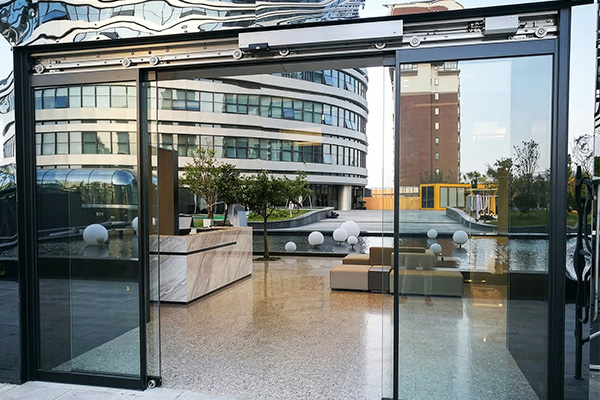

The Comprehensive Guide to Automatic Swing Door Systems: Technology, Safety, and Industry Applications
In an era where its accessibility measures building design, efficiency, and safety. The entrance has become much more than a simple point of transition—it is the first handshake between a facility and its visitors. Automatic swing door systems are no longer a luxury—they are an essential part of modern universal design. Whether it is ensuring a sterile environment in a high-pressure surgical suite or managing the relentless flow of a flagship retail store, the right door system can define the operational success of a space.
This article provides a comprehensive look into the world of automatic swing door system technology. We will break down the critical differences between low-energy and high-energy operators. And explore how these systems solve unique challenges across industries like healthcare, education, and corporate real estate.
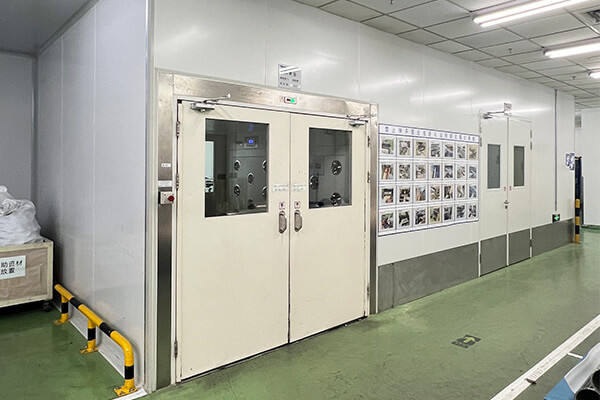
What Is an Automatic Swing Door System?
Definition and Basic Mechanics
An automatic swing door system is a power-operated mechanism that opens and closes a swinging door automatically. Unlike manual doors that require physical force, these systems use an electric motor to manage the door’s movement.
The system works by receiving a signal from a person or control device. Once triggered, the internal motor generates enough torque to swing the door to an open position. After a pre-set time delay, the system safely guides the door back to its closed position using either motor power or a mechanical spring.
Components of the Exterior Swing Door System
- The Operator: This is the main header unit installed above the door. It contains the electric motor, the gearbox, and the electronic controller that acts as the brain of the system.
- The Drive Arm: A metal linkage that connects the operator to the door. It translates the motor’s rotation into the pushing or pulling motion required to move the door leaf.
- Activation Sensors: These tell the door when to open. Common examples include motion-detecting radar, overhead infrared sensors, or touchless wave-to-open switches.
- Safety Sensors: These are presence-sensing devices mounted on or near the door. They detect if a person or object is in the door’s path, preventing the door from opening or closing until the area is clear.
- Control Interface: An internal panel where staff can adjust settings such as opening speed, closing force, and the length of time the door stays open.
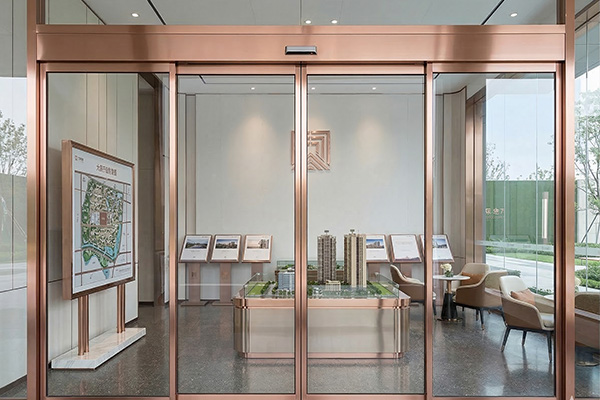
Key Types of Automatic Swing Door Systems
Low Energy Swing Door
These systems move at reduced speeds and with limited force to provide safe, accessible entry for individuals with disabilities while minimizing the need for complex safety sensors.
High Energy Swing Door
Designed for high-traffic commercial areas, these doors open rapidly and fully automatically using a complete array of motion and presence sensors to ensure constant pedestrian flow.
Single Automatic Swing Door
This common configuration automates a single door leaf to provide a streamlined entrance or exit for standard-width openings in offices and retail stores.
Double Automatic Swing Door
Used in wide entryways or hospital corridors, this system synchronizes two door leaves to move simultaneously, allowing for the passage of large crowds or medical equipment.
Surface-Mounted Operator
The automation unit is installed directly onto the surface of the door frame or wall, offering a cost-effective and efficient way to add automatic functionality to existing manual doors.
Overhead Concealed Operator
The motor and drive components are hidden within the door frame or ceiling to provide a clean, modern appearance that preserves the architectural design of a building.
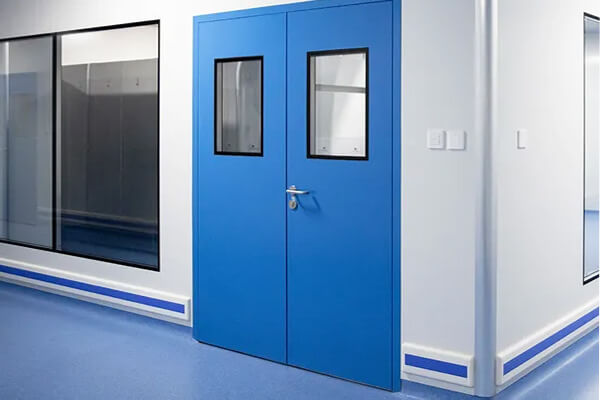
Key Features of Automatic Swing Doors
Automatic swing doors are designed to provide convenient, safe, and efficient access in various buildings. The following are the most important features that define an automatic swing door system.
Automatic Sensor Operation
Automatic swing doors open and close through sensors, such as radar sensors, or push buttons. When a person approaches the door, the sensor sends a signal to the motor, allowing the door to open automatically without physical contact.
Smooth and Quiet Motor System
The system uses a motorized operator to control the door movement. This allows the door to open and close smoothly and quietly. Which is especially important in environments such as hospitals, offices, and hotels.
Access Control Compatibility
Automatic swing door systems can be integrated with access control devices, such as card readers, fingerprint scanners, face recognition systems, or password panels. This helps improve building security and control who can enter specific areas.
Suitable for Single or Double Doors
Automatic swing door operators can be installed on single swing doors or double swing doors. They are compatible with different door materials, including glass, aluminum, steel, and wooden doors.
Energy-Efficient Operation
Automatic swing doors help reduce unnecessary air exchange by ensuring the door closes automatically after each use. This feature is useful in air-conditioned buildings and temperature-controlled environments.
| Door System Type | Primary Function | Best Application | Key Characteristic |
| Low Energy Swing Door | Provides safe, assisted access for individuals with disabilities. | Small offices, public restrooms, and residential care. | Operates at a slow speed with limited force for maximum safety. |
| High Energy Swing Door | Manages heavy pedestrian traffic with rapid, hands-free opening. | Supermarkets, airports, and high-volume retail stores. | Uses advanced motion sensors for fully automated operation. |
| Single Automatic Swing Door | Automates a single door leaf for standard-width entryways. | Office entrances and small commercial storefronts. | A streamlined solution for typical pedestrian traffic. |
| Double Automatic Swing Door | Synchronizes two door leaves to open and close simultaneously. | Hospital corridors and large shopping mall entrances. | Provides a wide opening for large crowds or moving equipment. |
| Surface-Mounted Operator | Adds automation to existing manual doors without structural changes. | Retrofitting older buildings or upgrading current entrances. | The motor unit is installed directly onto the door frame or wall. |
| Overhead Concealed Operator | Provides a hidden automation system for a seamless building design. | Luxury hotels and high-end modern office buildings. | All mechanical components are tucked away inside the door frame. |
Applications of Automatic Swing Doors
Commercial and Retail Use
High-traffic shopping environments require efficient movement for customers, who often carry heavy bags or push carts. To manage these flows, high-energy operators are used in combination with wide-angle motion sensors. This setup ensures that doors open well in advance of the person’s arrival, preventing bottlenecks at the entrance and providing a more welcoming, frictionless experience for shoppers.
Healthcare and Medical Facilities
In environments such as Intensive Care Units (ICU) and operating rooms, maintaining high hygiene standards is critical to preventing cross-contamination. Automatic swing doors equipped with touchless Wave-to-Open sensors allow medical staff to enter sterile zones without physical contact with door handles. These systems often include hermetic sealing features that help maintain specific air pressure levels and ensure a sterile atmosphere is preserved.
Hospitality and High-End Residential
In luxury hotels and upscale residential developments, the goal is to provide accessibility without compromising the building’s aesthetic design. By hiding all mechanical components and motors within the door frame or ceiling. The system provides smooth, automated movement while keeping the entrance visually clean and sophisticated.
Corporate Offices and Government Buildings
Modern office environments prioritize both security and convenience for employees and visitors. Automatic swing door systems can be fully integrated with existing access control infrastructure. This integration allows authorized personnel to move through secure checkpoints hands-free, eliminating the need to fumble for keys while maintaining high security.
Factors to Consider When Choosing an Automatic Swing Door System
Selecting the right Steel Swing Door System requires careful evaluation of several practical factors. These considerations help ensure the door operates efficiently, fits the building layout, and meets safety and security requirements.
Space Requirements
Before installing an automatic swing door, it is important to evaluate the door opening size, installation area, and clearance space. Swing doors require sufficient room for the door leaf to open freely without blocking walkways or nearby equipment.
- Door opening size: The width and height of the doorway must match the door operator’s specifications.
- Swing clearance: The door needs adequate space in the direction it opens to avoid collisions with walls, furniture, or pedestrian traffic.
- Building limitations: In narrow corridors, small offices, or areas with limited wall space, the swing range may be restricted. In such cases, careful planning or alternative door types may be required.
Proper space planning ensures safe operation and smooth pedestrian movement.
Power and Maintenance Needs
Automatic swing door systems depend on electric operators to control door movement. So power supply and long-term maintenance must be considered.
- Power consumption: Most modern operators are designed to be energy efficient, but a stable power source is necessary for reliable performance. Some systems also include battery backup to allow the door to function during power outages.
- Routine maintenance: Regular inspection of sensors, motors, and control units helps ensure consistent operation.
- Maintenance costs: Facilities should consider service intervals, replacement parts, and technician support when evaluating the long-term cost of ownership.
Choosing a system with reliable components and accessible maintenance support can significantly reduce downtime and operating costs.
Security and Integration with Other Systems
For many commercial and institutional buildings, automatic doors must work with existing security and access control systems.
- Access control integration: Automatic swing doors can connect with card readers, keypad entry systems, fingerprint scanners, or face recognition devices to restrict or monitor access.
- Controlled entry: This integration helps manage who can enter certain areas, such as offices, laboratories, or restricted zones.
- Security features: Additional features such as automatic locking, emergency release, and system monitoring can improve safety and ensure the door operates properly in sensitive environments.
A well-integrated system not only improves convenience but also strengthens building security and access management.
Conclusion: Designing for Access and Inclusion
Selecting and implementing an automatic swing door system is more than just automating an entrance. It is a commitment to building a more accessible, efficient, and inclusive environment. As we have explored, the right technology—tailored to the specific demands of healthcare, retail, or corporate sectors—does much more than facilitate movement.
By balancing the technical requirements of low-energy versus high-energy operators with the aesthetic needs of modern architecture, facility managers and designers can create entrances that are as functional as they are welcoming.
FAQs
What is a surface applied swing door operator and how does it function?
A surface applied swing door operator is a door operator unit mounted on the surface of a door or frame to automate swing door operation. The mechanism allows the door to be opened and closed using an integrated motor and control system that can function as a single system for automatic door operation or be integrated with building access controls. Many units are adjustable for different door weights and swing speeds and can be configured for low energy ADA swing operation, fire rated doors, or exterior doors. Some models include electromagnetic hold-open options and compatibility with touchless automatic activation like wave or approach sensors.
Can a swing door operator be installed on fire rated doors and exterior doors?
Yes, many automatic swing door operators are available in fire rated configurations and are suitable for exterior doors when specified by the manufacturer. Fire rated surface applied operators and electromagnetic swing door operator units are designed and tested to maintain the integrity and closing force required for fire doors. For exterior installations, weatherproofing and suitable materials are selected; engineers often recommend models from established vendors like Horton Automatics or dormakaba for rigorous applications.
What activation methods are available for an automatic swing door operator at an entrance?
Automatic swing door operators support a range of activations: traditional push switches and handicap push buttons, wireless solutions such as wireless handicap buttons, touchless automatic sensors like wave-to-open (opener with wave to open), motion sensors, and integrated access control systems. Dual automatic configurations can provide both activation and secure locking; some systems include electromagnetic hold-open with release on fire alarm. Choosing the right activation method depends on ADA requirements, user convenience, and site constraints.
How does a single system for automatic door operation compare to a dual automatic or folding door system?
A single system for automatic door operation typically drives one leaf and manages all necessary functions as an integrated door operator unit, suitable for standard swing doors. A dual automatic setup controls two leaves, often used for wider entrances or high-traffic areas. Folding door systems are a different mechanical approach used where space is constrained. Each solution varies in complexity, and engineers select between single system, dual automatic, or folding door systems based on door size, traffic flow, and whether features like low energy ADA swing or touchless activation are required.
Are there wireless and touchless options for automatic swing door openers?
Yes, modern automatic swing door openers offer wireless and touchless options. Wireless handicap buttons and wireless communication between sensors and the operator simplify installation and reduce wiring. Touchless automatic options include wave or presence sensors—sometimes called door opener with wave or opener with wave to open—that trigger the operator without physical contact. These solutions are ideal for hygiene-sensitive areas and ADA-compliant entrances.
What maintenance does an automatic swing door operator require and what is the role of the door closer?
Regular maintenance includes inspecting the operator unit, lubricating mechanical parts per manufacturer guidelines, checking adjustable settings for closing speed and force, and testing safety sensors and push switches. The door closer portion, whether integrated or separate, ensures controlled closing and latching and plays a critical role on fire rated doors. Periodic checks confirm the electromagnetic components and switches function correctly and that the mechanism allows the door to be opened and closed smoothly under different conditions.
Can an entrance be retrofitted with a surface applied automatic swing door operator like the Olide-120B?
Many entrances can be retrofitted using surface applied automatic swing door operators, including models similar to or specified as door operator OLIDE-120B. Surface applied units are mounted without extensive frame modification, making them suitable for existing doors where in-frame installation is impractical. Retrofitting requires ensuring compatibility with the door leaf, frame, and any fire rated requirements; an engineer should verify that the selected opener and mounting method meet performance and ADA needs.


 Arabic
  English
  Chinese
  German
  Spanish (Mexico)
  French
  Uzbek
Uzbek  Russian
  Japanese
  Korean
  Spanish (Peru)
  Spanish (Venezuela)
  Spanish (Ecuador)
  Spanish (Puerto Rico)