
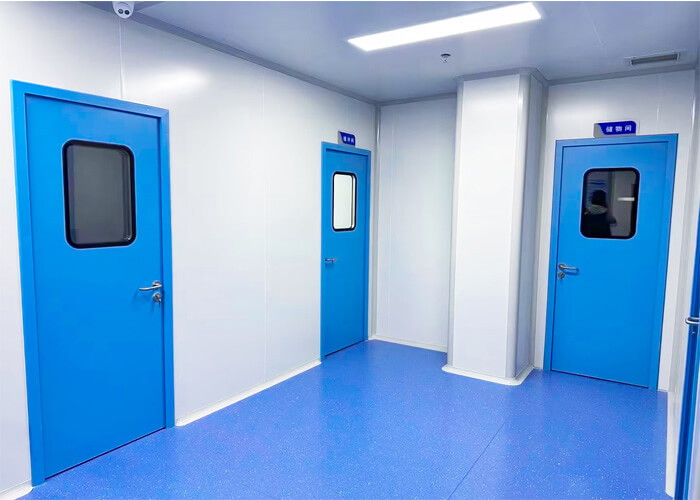

الدليل الشامل لاختيار أبواب الفولاذ المتأرجحة للغرف النظيفة للامتثال لمعايير التصنيع الجيد (GMP): الأداء، المواد، والمعايير الصناعية
يعتمد النجاح في التصنيع المعقم والأبحاث عالية التقنية على التحكم الدقيق في ضغط الهواء والقضاء على الملوثات المجهرية. داخل هذه البيئات الخاضعة للرقابة، يعمل باب الفولاذ الدوار للغرفة النظيفة كأكثر من مجرد نقطة دخول بسيطة؛ فهو مكون هندسي حاسم مصمم للحفاظ على سلامة المنشأة بأكملها. مع تشديد الهيئات التنظيمية الدولية مثل وكالة الأدوية الأوروبية (EMA) وإدارة الغذاء والدواء الأمريكية (FDA) لمتطلباتها بشأن الامتثال لممارسات التصنيع الجيدة (GMP)، أصبح الطلب على حلول الوصول المتينة والمحكمة الإغلاق والصحية أعلى من أي وقت مضى.
تقدم هذه المقالة تحليلاً شاملاً لسبب كون الفولاذ عالي الجودة هو المعيار الذهبي لهندسة الغرف النظيفة. سنستكشف الفروق التقنية التي تحدد باب الفولاذ الدوار، بدءًا من تصميمات الأسطح الملساء غير البارزة إلى تقنيات الختم المتقدمة التي تمنع تسرب الهواء.
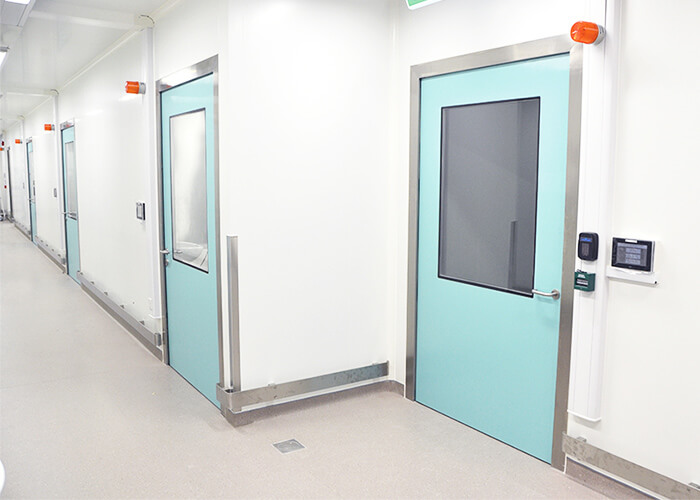
لماذا تعتبر الأبواب الفولاذية الدوارة هي المعيار الذهبي
تُعتبر الأبواب الفولاذية الدوارة المعيار الصناعي للبيئات الخاضعة للرقابة بسبب ثلاثة عوامل أداء رئيسية:
متانة استثنائية
يوفر الفولاذ السلامة الهيكلية اللازمة لتحمل عمليات الحركة المرورية العالية. فهو يقاوم الصدمات الناتجة عن عربات المعدات ويحافظ على شكله تحت الاستخدام المستمر، مما يضمن عمرًا تشغيليًا أطول من بدائل الألومنيوم أو الصفائح.
مقاومة كيميائية
تم تصميم الأسطح لتظل مستقرة عند تعرضها لعوامل التعقيم القاسية. وهي مصممة خصيصًا لتحمل دورات التعقيم المتكررة، مثل معالجة بيروكسيد الهيدروجين المتبخر (VHP)، دون تآكل أو تقشر.
التكامل الصحي
تسمح هذه الأبواب بتركيب غير بارز تمامًا مع ألواح جدران الغرفة النظيفة. هذا الانتقال السلس يزيل الحواف والفجوات، مما يمنع تراكم الغبار والبكتيريا مع تبسيط عملية التنظيف.
4 ميزات رئيسية لأبواب الغرف النظيفة الدوارة عالية الجودة
للحفاظ على المعايير الصارمة للبيئة الخاضعة للرقابة، يجب أن يعطي كل مكون من مكونات باب الفولاذ الدوار الأولوية للنظافة، والإحكام، والسلامة الهيكلية. يتطلب اختيار باب عالي الجودة تعمقًا في أربع ميزات هندسية حاسمة.
اختيار المواد والمعالجة السطحية المتقدمة
يتم تحديد اختيار المادة الأساسية حسب درجة النظافة المحددة والتعرض الكيميائي للمنشأة.
- الفولاذ المجلفن مقابل الفولاذ المقاوم للصدأ: يعتبر الفولاذ المجلفن عالي القوة هو المعيار لمعظم غرف التنظيف من الفئة C و D نظرًا لتوازنه الممتاز بين التكلفة والصلابة. ومع ذلك، بالنسبة للمناطق من الفئة A أو B حيث يوجد تنظيف قوي أو رطوبة عالية، فإن الفولاذ المقاوم للصدأ 304 أو 316L ضروري لمنع الأكسدة وضمان التوافق مع التعقيم طويل الأمد.
- طلاء مسحوق مضاد للبكتيريا: تتميز الأبواب المتفوقة بطلاء مسحوق كهروستاتيكي متخصص. يُنشئ هذا المعالجة سطحًا أملسًا غير مسامي يُصنف على أنه غير باعث للجسيمات. يمنع ذلك إطلاق الجسيمات في الهواء ويتضمن خصائص مضادة للميكروبات تمنع نمو البكتيريا والفطريات، مما يلبي بروتوكولات السلامة الصيدلانية الصارمة.
تصميم غير بارز حقيقي لتحقيق النظافة المثلى
في بيئة تنظمها ممارسات التصنيع الجيدة (GMP)، يعتبر التخلص من الحواف والتجويفات هدفًا تصميميًا أساسيًا. يجب أن يحقق باب الفولاذ الدوار عالي الجودة مظهرًا غير بارز تمامًا.
- ألواح الرؤية غير البارزة من الجانبين: يتم دمج نوافذ المراقبة بحيث يكون الزجاذ مستويًا تمامًا مع ضلفة الباب من كلا الجانبين. يضمن هذا التصميم الخالي من الزوايا الميتة عدم تراكم الغبار ويسمح بمسح سهل أثناء التعقيم.
- الختم المجمع والمجففات: لمنع التكثيف الداخلي أو الضباب الذي قد يحجب الرؤية، يتم إغلاق المسافة بين الألواح الزجاجية المزدوجة بالتفريغ أو معالجتها بمجففات متخصصة. يضمن ذلك بقاء لوح الرؤية واضحًا وسليمًا من الناحية الهيكلية طوال دورة حياته.
أنظمة حشية متفوقة للأداء المحكم
من المستحيل الحفاظ على فرق ضغط دقيق بين الغرف بدون نظام إغلاق موثوق.
- تقنية حشية EPDM: تستخدم الأبواب عالية الجودة حشيات EPDM (مونومر إيثيلين بروبيلين ديين) حول محيط الإطار. يُفضل استخدام EPDM لمقاومته الاستثنائية للمطهرات الكيميائية وقدرته على الحفاظ على المرونة عبر آلاف دورات الضغط.
- أختام هبوط تلقائية: لإغلاق الفجوة الحرجة عند الأرضية، يتم تنشيط ختم ميكانيكي داخلي تلقائيًا عند إغلاق الباب. تضمن آلية الهبوط هذه إحكامًا محكمًا دون الحاجة إلى عتبة مرتفعة، مما يسمح بمرور سلس للعربات والمعدات.
المعدات الثقيلة وطول العمر التشغيلي
أداء باب الغرفة النظيفة يعتمد فقط على موثوقية معداته. نظرًا لأن هذه الأبواب غالبًا ما تكون ثقيلة وتخضع لاستخدام عالي التردد، يجب تصميم المكونات لتحقيق المتانة.
- مفصلات من الفولاذ المقاوم للصدأ: تتطلب مفصلات معززة مصنوعة من الفولاذ المقاوم للصدأ من الدرجة 304 لمنع ترهل الباب، وهو السبب الرئيسي لفشل الختم.
- أقفال وغلقات خاصة بالغرف النظيفة: تتميز المعدات المتخصصة بأسطح ناعمة وسهلة التنظيف مع أقل عدد من الشقوق. يتم معايرة غلقات الأبواب عالية الدورة لضمان عودة الباب إلى وضع الإغلاق الكامل في كل مرة، مما يمنع فقدان الضغط العرضي. الاستثمار في ماركات المعدات الممتازة يرتبط ارتباطًا مباشرًا بانخفاض تكاليف الصيانة ومنع التوقف التشغيلي.
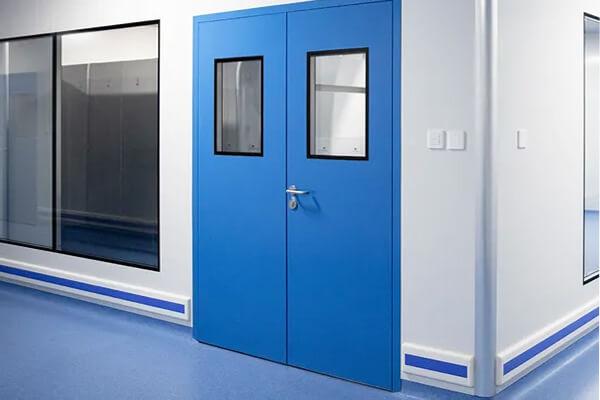
أبواب الفولاذ الدوارة للغرف النظيفة: معايير الأداء والامتثال لممارسات التصنيع الجيدة (GMP)
التحكم في تسرب الهواء والامتثال لمعايير ISO
الوظيفة الأساسية لباب الغرفة النظيفة المحكم هي الحفاظ على فروق الضغط المطلوبة لمنع التلوث المتبادل. بموجب معايير ISO 14644-1، فإن سلامة ختم الباب أمر بالغ الأهمية. تم تصميم الأبواب الفولاذية الدوارة عالية الجودة للحد من تسرب الهواء إلى مستويات ضئيلة، حتى عند تعرضها لبيئات عالية الضغط. يضمن هذا التحكم الدقيق قدرة نظام التدفئة والتهوية وتكييف الهواء (HVAC) على الحفاظ على فئة النظافة المحددة - سواء كانت الفئة A أو D - دون استهلاك مفرط للطاقة أو خطر دخول الجسيمات.
تصنيف الحريق وتكامل السلامة
غالبًا ما تتطلب بروتوكولات السلامة باب غرفة نظيفة دوارًا مقاومًا للحريق لا يخل بالسلامة الصحية. تتضمن هندسة هذه الأبواب استخدام نوى متخصصة مقاومة للحريق، مثل الصوف الصخري أو المواد المعالجة المسجلة الملكية، التي تلبي معايير UL أو BS 476. تم تصميم هذه الأبواب لتوفير تصنيف مقاومة للحريق يتراوح من 30 إلى 120 دقيقة. والأهم من ذلك، أن مكونات الحماية من الحريق تظل محصورة بالكامل داخل ضلفة الفولاذ، مما يضمن بقاء السطح أملسًا وغير باعث للجسيمات ومتوافقًا مع متطلبات تنظيف ممارسات التصنيع الجيدة (GMP).
العزل الصوتي وراحة مكان العمل
غالبًا ما تكون الغرف النظيفة بيئات صاخبة بسبب أنظمة ترشيح الهواء عالية الحجم والآلات الصناعية. يلعب باب الغرفة النظيفة الدوار الصوتي دورًا مهمًا في تقليل الضوضاء، حيث يوفر عادةً تصنيف عزل صوتي يتراوح بين 30dB و 45dB. من خلال استخدام عزل داخلي عالي الكثافة وحشيات إغلاق متعددة النقاط، تخفض هذه الأبواب مستويات الديسيبل بشكل كبير بين الغرف المتجاورة. يخلق هذا بيئة أكثر أمانًا وتركيزًا لموظفي المختبر والفنيين، مما يقلل من الإرهاق ويحسن دقة التشغيل.
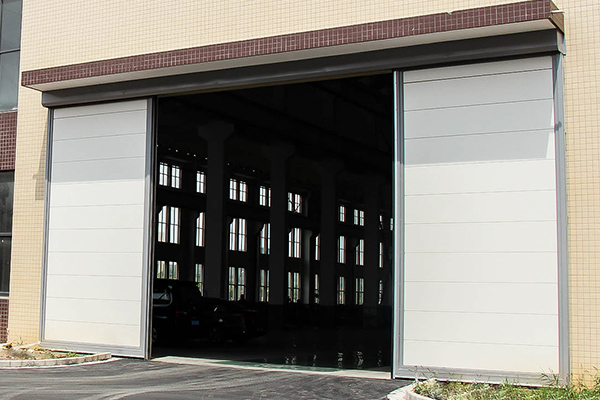
مقارنة تقنية: الأبواب الدوارة مقابل الأبواب المنزلقة
اختيار نوع الباب المناسب هو توازن بين تخطيط المنشأة ودرجة النظافة المطلوبة. بينما لكلا التكوينين مزاياهما، فإن أداءهما يختلف تحت المتطلبات الصارمة للبيئة الخاضعة للرقابة.
يقدم الجدول التالي مقارنة تقنية بناءً على أربعة أبعاد تشغيلية حاسمة:
| الميزة | باب فولاذي متأرجح للغرف النظيفة | باب منزلق للغرف النظيفة |
| الإحكام (مقاومة التسرب) | ممتاز. يستخدم ضغطًا ميكانيكيًا لضغط الحشية ضد الإطار، مما يضمن إحكامًا عالي الضغط. | متوسط. تحقيق إحكام ثابت للتسرب صعب بسبب الفجوة المطلوبة لآلية الانزلاق. |
| متطلبات المساحة | عالية. يتطلب قوسًا واضحًا لفتح الباب، مما يستلزم مساحة أرضية أكبر في الممرات. | منخفضة. الحركة الموازية للجدار تجعله مثاليًا للمساحات الضيقة أو المناطق ذات الخلوص المحدود. |
| معدل الأعطال | منخفض جدًا. يعتمد على مفصلات بسيطة شديدة التحمل مع عدد قليل من الأجزاء المتحركة وعمر خدمة طويل. | متوسط. المسارات والبكرات والمحركات عرضة للتآكل الميكانيكي وتتطلب معايرة متكررة. |
| صيانة النظافة | ممتازة. الأسطح المستوية وغياب المسارات يسهل مسحها وتطهيرها. | صعبة. المسارات والقضبان الغائرة يمكن أن تتراكم فيها الجسيمات ويصعب تعقيمها بفعالية. |
الخلاصة: ميزة الإحكام
بينما توفر الأبواب المنزلقة فوائد في توفير المساحة، فإن الباب الفولاذي المتأرجح للغرف النظيفة يظل الخيار المفضل للغرف النظيفة عالية المستوى (الفئة A و B). قدرته على الحفاظ على إحكام شبه تام تحت فروق ضغط عالية أمر أساسي لمنع التلوث المتبادل وضمان سلامة أكثر مناطق التصنيع حساسية.
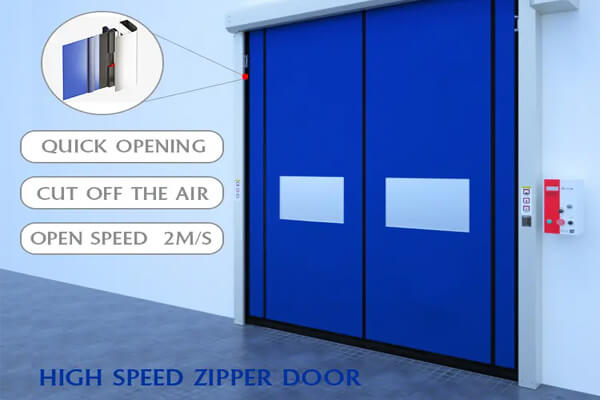
مقارنة تقنية: الأبواب المتأرجحة للغرف النظيفة مقابل الأبواب عالية السرعة للغرف النظيفة
| 对比维度 | باب فولاذي متأرجح للغرف النظيفة | باب الغرفة النظيفة عالي السرعة (نوع السحاب) |
| درجة الإحكام (مقاومة التسرب) | أقصى. الإحكام القائم على الضغط يضمن تسربًا شبه معدوم، مثالي لمناطق الضغط العالي. | متوسط. يستخدم مسارات سحابية أو فرش؛ يحدث بعض تسرب الهواء أثناء الحركة عالية السرعة. |
| سرعة الفتح | قياسي. الفتح اليدوي أو الآلي يستغرق 3–5 ثوانٍ. | فائق السرعة. سرعات فتح تتراوح من 0.8 إلى 2.0 متر/ثانية تقلل من وقت تعرض البيئة. |
| المتانة وتحمل الصدمات | عالية. البناء الفولاذي الصلب يتحمل الصدمات الثقيلة والاستخدام اليدوي عالي التردد. | ذاتية الإصلاح. البلاستيك/القماش المرن من نوع “السحاب” يعود إلى المسارات إذا اصطدمت به عربة، لكنه أقل صلابة. |
| التنظيف والنظافة | ممتاز. الأسطح الفولاذية المستوية مقاومة لبيروكسيد الهيدروجين المتبخر (VHP) والتعقيم الكيميائي القوي. | متوسط. القماش وآليات التدوير تحتوي على شقوق أكثر يمكن أن تؤوي الجسيمات. |
| حالة الاستخدام الأساسية | دخول الأفراد والمناطق المعقمة عالية المستوى (الفئة A/B). | نقل المواد ومراكز الخدمات اللوجستية وممرات الفئة C/D عالية الحركة. |
| استقرار الضغط | مستقر. يحافظ على فروق ضغط صارمة حتى في حالة انقطاع التيار الكهربائي. | متغير. الفتح السريع قد يسبب اضطرابًا مؤقتًا في الهواء وتقلبات في الضغط. |
الاستنتاج: الأداء مقابل الكفاءة
إن الباب الفولاذي المتأرجح للغرف النظيفة هو الخيار النهائي للبيئات التي تكون فيها الإحكام المطلق والسلامة المعقمة على رأس الأولويات. وعلى العكس من ذلك،, أبواب الغرف النظيفة عالية السرعة هي الأنسب للمناطق الثانوية حيث تكون سرعة تدفق المواد أمرًا حاسمًا للكفاءة التشغيلية. بالنسبة للمنشآت التي تتطلب الامتثال لمعايير GMP في المناطق المعقمة ذات الضغط العالي، يظل أداء الإحكام للباب الفولاذي المتأرجح هو المعيار الذهبي في الصناعة.
التطبيقات الاستراتيجية للباب الفولاذي المتأرجح للغرف النظيفة
تتيح مرونة الباب الفولاذي المتأرجح للغرف النظيفة تلبية المتطلبات التشغيلية المتنوعة لمختلف القطاعات عالية التقنية. وبينما تظل الهندسة الأساسية ثابتة، غالبًا ما يتم تخصيص التكوين المحدد للباب لمواجهة التحديات الفريدة لكل صناعة.
المستحضرات الصيدلانية الحيوية وعلوم الحياة
في الصناعة الدوائية، الهدف الأساسي هو منع التلوث المتبادل لضمان سلامة المرضى. تعتبر الأبواب الفولاذية المتأرجحة ضرورية للمنشآت التي تهدف إلى اجتياز عمليات التدقيق الصارمة لـ GMP و FDA. يزيل تصميم السطح المستوي المناطق التي يمكن أن تنمو فيها الميكروبات، بينما يضمن توافقها مع بيروكسيد الهيدروجين المتبخر (VHP) إمكانية تطهير المناطق المعقمة من الفئة A و B بفعالية دون تدهور السطح.
تصنيع أشباه الموصلات والإلكترونيات
بالنسبة لقطاع الإلكترونيات الدقيقة، فإن أكبر التهديدات هي الجسيمات المجهرية والتفريغ الكهروستاتيكي (ESD). غالبًا ما تُعالج أبواب الغرف النظيفة الفولاذية المتأرجحة لهذه الصناعة بطبقات مسحوقية مضادة للكهرباء الساكنة متخصصة لمنع تراكم الكهرباء الساكنة، والتي قد تجذب الغبار أو تتلف المكونات الحساسة. تضمن هذه الأبواب الامتثال لمعايير ISO 14644 من خلال الحفاظ على التحكم الدقيق في ضغط الهواء ومنع دخول الملوثات الخارجية إلى مناطق الإنتاج على مقياس النانومتر.
معالجة الأغذية والمشروبات
تخضع النظافة في معالجة الأغذية لأنظمة HACCP ولوائح السلامة الصحية المحلية. في هذه البيئات، تتعرض الأبواب للتنظيف عالي التردد باستخدام الماء عالي الضغط والمنظفات القلوية. توفر الأبواب الفولاذية عالية الجودة، خاصة تلك المصنوعة من الفولاذ المقاوم للصدأ 304، مقاومة الصدأ اللازمة والسلامة الهيكلية لتحمل هذه الظروف القاسية. يمنع التكامل السلس للأختام دخول الرطوبة إلى قلب الباب، مما يضمن المتانة طويلة الأمد والتشغيل الآمن للأغذية.
الأسئلة المتكررة (FAQ)
كيف أنظف باب الغرفة النظيفة الفولاذي دون إتلاف الطلاء؟
للحفاظ على سلامة الطلاء المسحوقي المضاد للميكروبات، استخدم منظفات محايدة من حيث درجة الحموضة وأقمشة من الألياف الدقيقة الناعمة. تجنب استخدام الوسادات الكاشطة أو الصوف الفولاذي أو المنظفات شديدة الحموضة التي قد تسبب خدوشًا مجهرية. بالنسبة للمنشآت التي تستخدم بيروكسيد الهيدروجين المتبخر (VHP)، تأكد من أن بابك مزود بطبقة نهائية عالية المتانة مصممة للتعقيم الكيميائي.
هل يمكن تجهيز الأبواب الفولاذية المتأرجحة بنظام تداخل (Interlocking)؟
نعم. تعتبر الأبواب الفولاذية المتأرجحة مثالية للتكامل مع أنظمة التداخل الإلكترونية. تُستخدم هذه الأنظمة في غرف معادلة الضغط (Airlocks) لضمان فتح باب واحد فقط في كل مرة، مما يمنع انهيار ضغط الهواء ويحمي البيئة المعقمة من الملوثات الخارجية. تشمل معظم الأبواب عالية الجودة قنوات توصيل داخلية لتركيب سلس للأقفال الكهرومغناطيسية وأجهزة الاستشعار.
ما هي الأنواع المختلفة من أبواب الغرف النظيفة المتاحة؟
تشمل الأنواع الأكثر شيوعًا الأبواب المتأرجحة، والأبواب المنزلقة، والأبواب عالية السرعة القابلة للطي. ضمن فئة الأبواب المتأرجحة، تشمل الخيارات الأبواب أحادية الضلفة للأفراد والأبواب مزدوجة الضلفة لمرور المعدات. تتراوح المواد عادةً من الفولاذ المجلفن المطلي بالمسحوق والفولاذ المقاوم للصدأ إلى الصفائح البلاستيكية عالية الضغط (HPL).
ما الفرق بين الأبواب المتأرجحة للداخل والأبواب المتأرجحة للخارج؟
يعتمد الاختيار على لوائح السلامة والتحكم في الضغط. غالبًا ما تكون الأبواب المتأرجحة للخارج (التي تفتح نحو الممر) مطلبًا للسلامة من الحرائق للخروج في حالات الطوارئ. من الناحية الفنية، يجب أن تتأرجح الأبواب بشكل مثالي نحو جانب الضغط العالي بحيث يساعد ضغط الهواء نفسه في دفع ضلفة الباب ضد الحشية، مما يعزز الإحكام الهوائي.
كيف تحافظ أبواب الغرف النظيفة المتأرجحة على ضغط الهواء؟
تحافظ هذه الأبواب على الضغط من خلال آلية إحكام مزدوجة. يمتد حشية مستمرة من EPDM أو السيليكون على طول الجوانب الثلاثة لإطار الباب. عند إغلاق الباب، يضغط هذه الحشية لإنشاء حاجز مانع للتسرب. بالإضافة إلى ذلك، يتم تنشيط ختم سفلي تلقائي في أسفل ضلفة الباب عند الإغلاق لإغلاق الفجوة بين الباب والأرضية، مما يمنع فقدان الهواء.

