
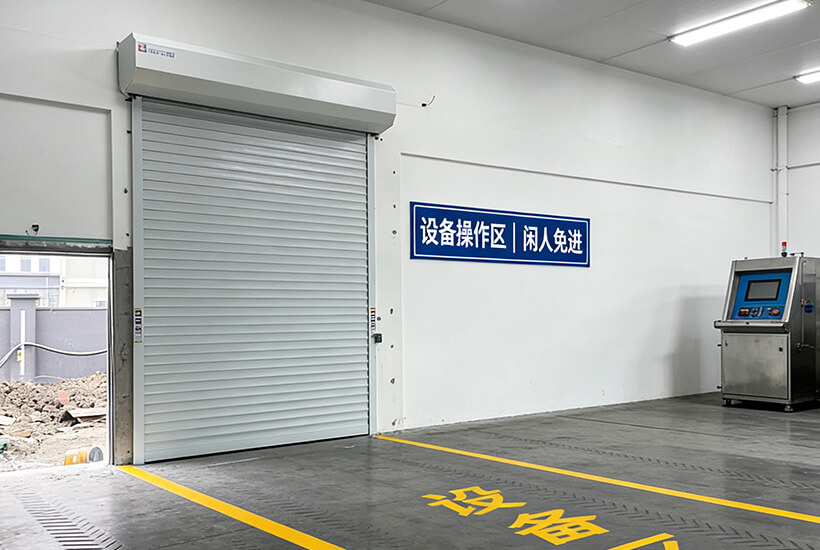

Puertas enrollables industriales de aluminio para cabinas de pintura: la guía definitiva de seguridad y calidad
En las cabinas de pintura industriales, los sistemas de puertas desempeñan un papel fundamental para garantizar operaciones seguras, un control estable del flujo de aire y una calidad de recubrimiento consistente. A medida que los estándares de producción continúan elevándose, las Puertas Industriales de Aluminio se han convertido en una solución cada vez más preferida para las instalaciones modernas de cabinas de pintura.
En las cabinas de pintura industriales, los sistemas de puertas desempeñan un papel fundamental para garantizar operaciones seguras, un control estable del flujo de aire y una calidad de recubrimiento consistente. A medida que los estándares de producción continúan aumentando, las puertas enrollables industriales de aluminio se han convertido en una solución cada vez más preferida para las instalaciones modernas de cabinas de pintura.
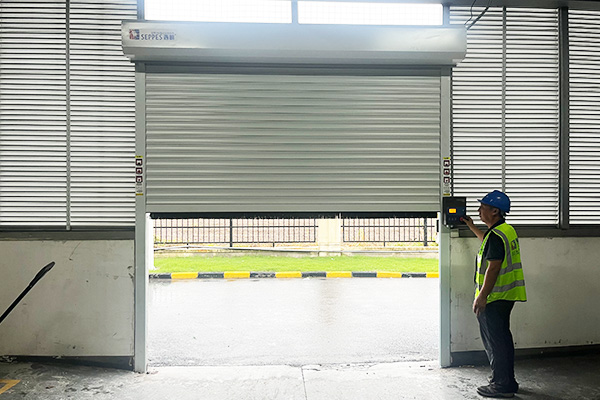
Por qué el Aluminio es Superior para Entornos de Cabinas de Pintura
El aluminio es el material preferido para entornos de cabinas de pintura. El rendimiento estable de las puertas enrollables de aluminio, puede garantizar la seguridad de las instalaciones industriales.
Resistencia a la Corrosión y a los Químicos
Las cabinas de pintura exponen los equipos a humedad constante, disolventes y COV. A diferencia del acero, el aluminio no se oxida.
- Estabilidad Química:Resiste la degradación causada por recubrimientos industriales fuertes y agentes de limpieza.
- Control de Contaminación: Sin oxidación ni escamas de óxido, lo que garantiza acabados de pintura de alta calidad y libres de partículas.
Propiedades Antichispa para Mayor Seguridad
El interior de una cabina de pintura suele ser inflamable debido a la alta concentración de vapores de pintura y diluyentes. En caso de impacto mecánico o fricción durante la operación, las puertas industriales de aluminio no generarán chispas, reduciendo el riesgo de ignición en atmósferas explosivas.
Precisión Ligera para el Acceso
- Velocidad Operativa:El aluminio es mucho más ligero que el acero, lo que permite que las puertas motorizadas se abran y cierren más rápido.
- Desgaste Reducido:El menor peso reduce la tensión en el motor y el sistema de accionamiento, lo que resulta en una operación más suave y una vida útil más larga para el sistema de puertas.
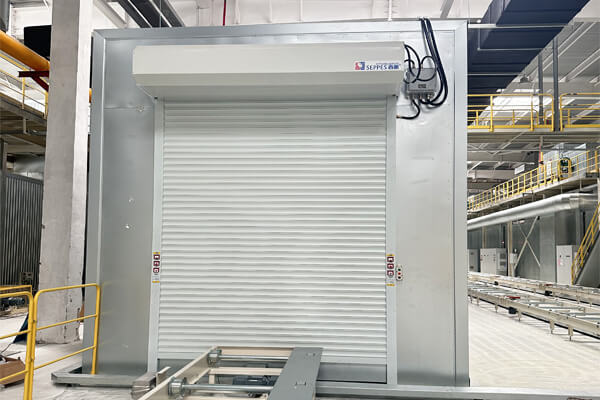
Características Esenciales de las Puertas Industriales de Aluminio para Cabinas de Pintura
Al seleccionar un sistema de puertas industriales para un área de acabado, el rendimiento va más allá de la simple seguridad. Estas tres características son la base de una cabina de pintura de alto funcionamiento:
Sellado Hermético y Control de Polvo
Las puertas industriales de aluminio están equipadas con sellos de goma EPDM de alta calidad a lo largo de los rieles y el borde inferior. Estos sellos son vitales para mantener la presión de aire positiva o negativa interna requerida para una ventilación y extracción de humos efectivas.
Al crear un perímetro hermético integral, el sistema evita que el polvo externo, los residuos y el aire no filtrado se infiltren en la cabina durante las fases sensibles de pulverización.
Resistencia a la Corrosión y la Humedad
Las cabinas de pintura son entornos inherentemente hostiles, caracterizados por alta humedad y la presencia constante de disolventes agresivos. Mientras que las puertas de acero tradicionales a menudo sucumben al óxido en pocos años, las persianas industriales de aluminio ofrecen una longevidad superior.
Debido a que el aluminio no se oxida, estas puertas mantienen su integridad estructural mucho más tiempo que las alternativas estándar de acero, proporcionando un retorno de la inversión (ROI) mucho mayor para la instalación.
Acabados Superficiales Fáciles de Limpiar
Con el tiempo, la pintura en exceso y los residuos químicos pueden acumularse en la superficie de la puerta, desprendiéndose potencialmente y contaminando proyectos futuros. Las puertas profesionales para cabinas de pintura cuentan con acabados de aluminio recubiertos con polvo liso, diseñados para el entorno de trabajo industrial.
Esta facilidad de limpieza garantiza que la cabina permanezca como un entorno estéril y profesional con un mínimo de mano de obra.
Comparación de Soluciones de Puertas para Instalaciones de Recubrimiento
| Característica | Puertas Industriales de Aluminio | Puertas Enrollables de Acero Estándar | Ventaja Estratégica para Cabinas de Pintura |
| Resistencia a la Corrosión | Excelente: Naturalmente a prueba de óxido; resistente a COV y disolventes químicos. | Deficiente: Alto riesgo de oxidación en entornos húmedos y ricos en disolventes. | Control de Contaminación: Previene que las escamas de óxido arruinen los acabados de alto brillo. |
| Seguridad y Riesgo de Chispas | Antichispa: Inherentemente seguro para atmósferas explosivas o inflamables. | Alto Riesgo: Posibilidad de chispas ante impacto mecánico o fricción. | Cumplimiento ATEX: Esencial para zonas con altas concentraciones de diluyentes de pintura. |
| Peso y Velocidad de Ciclo | Ligero: Operación a alta velocidad con tensión mínima sobre el motor. | Pesado: Ciclos de apertura más lentos; alto desgaste mecánico. | Eficiencia del flujo de trabajo: Reduce el tiempo de inactividad entre los ciclos de pintura y curado. |
| Higiene y limpieza: | Alto: Las lamas recubiertas con pintura en polvo son fáciles de limpiar; no desprenden residuos. | Moderado: El recubrimiento de pintura o zinc puede desprenderse con el tiempo, generando polvo. | Acabado Clase A: Mantiene el ambiente estéril necesario para un recubrimiento de precisión. |
| Opciones de visibilidad: | Integración sin interrupciones: Fácil instalación de paneles de visión de policarbonato a gran escala. | Limitado: Agregar ventanas es complejo y aumenta significativamente el peso de la puerta. | Monitoreo del proceso: Permite a los técnicos verificar el progreso sin romper el sello hermético. |
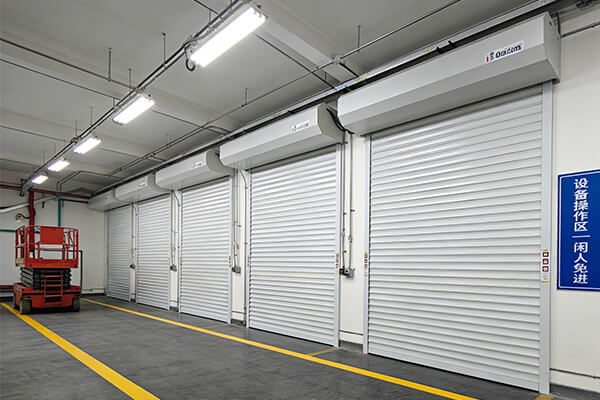
Caso de estudio: Mejora de la calidad de pintura y eficiencia térmica
El desafío de una fábrica de repintado de precisión para autos en Canadá
Como instalación líder en el área metropolitana de Toronto, el cliente enfrentaba tres cuellos de botella operativos críticos que afectaban su rentabilidad:
Contaminación por óxido:Sus puertas de acero galvanizado existentes habían comenzado a oxidarse debido a la alta humedad y los solventes químicos propios de la cabina de pulverización. Escamas microscópicas de óxido caían sobre la pintura fresca, causando costosos “reprocesos” en acabados de vehículos de alta gama.
Inconsistencia térmica (El factor del invierno canadiense):Durante los inviernos bajo cero de Ontario, las puertas de acero pesado tenían un sellado deficiente. Corrientes de aire frío ingresaban a la zona de curado, provocando un aumento del 30% en los costos de calefacción a gas natural.
Tiempo de inactividad operativo:El peso elevado de las persianas de acero anteriores causaba fallos frecuentes en el motor y ciclos lentos, retrasando la transición entre las fases de pintura y horneado.
La solución: Por qué la puerta de persiana de aluminio fue la mejor opción
Tras una evaluación técnica, la instalación reemplazó sus sistemas de entrada con puertas de persiana industrial de aluminio de alto rendimiento. La selección se basó en tres factores clave:
- Longevidad libre de corrosión
- Sellado EPDM de precisión
- Paneles de visión integrados
Los resultados: ROI medible
Seis meses después de la instalación, el cliente reportó mejoras significativas en el rendimiento de la instalación:
- Reducción del 15% en defectos de pintura:Eliminación de retrabajos causados por infiltración de óxido y polvo.
- Ahorro energético del 22%:El sellado superior y los ciclos más rápidos redujeron significativamente la pérdida de calor durante los rigurosos meses de invierno.
- Mayor rendimiento:La naturaleza ligera de las lamas de aluminio permitió velocidades de apertura más rápidas, lo que permitió al taller procesar dos ciclos adicionales de vehículos por día.
Conclusión: Invertir en soluciones de acceso preparadas para el futuro
En el panorama industrial moderno, una puerta ya no es solo una barrera; es un componente crítico del ecosistema de eficiencia y seguridad de su instalación. Al elegir materiales que resistan la corrosión, proporcionen un sellado hermético y ofrezcan propiedades de seguridad sin chispas, los administradores de instalaciones pueden reducir significativamente el tiempo de inactividad operativo.
Como líder global en sistemas de acceso de alto rendimiento, SEPPES se especializa en proporcionar soluciones personalizadas de puertas industriales que combinan automatización inteligente con durabilidad robusta. Confiado por empresas Fortune 500 en todo el mundo, SEPPES ofrece la experiencia y la ingeniería de precisión necesarias para optimizar cada punto de entrada en su instalación.
Preguntas frecuentes
P1: ¿Qué tipo de pintura usar en una puerta de aluminio?
Para puertas de persiana industrial de aluminio, la opción más confiable es el esmalte acrílico de alta calidad o el esmalte industrial Directo al Metal (DTM). Estas pinturas están formuladas específicamente para adherirse a superficies metálicas y ofrecen la flexibilidad necesaria para las lamas que se enrollan y desenrollan con frecuencia. Para garantizar un acabado profesional, use siempre una imprimación auto-grabante antes de la capa final para crear un enlace químico permanente.
P2: ¿Cómo funciona una cabina de pulverización automotriz con una puerta filtrada?
Una cabina de pulverización automotriz depende de un equilibrio preciso de presión de aire y filtración para garantizar un acabado libre de polvo. En una configuración de puerta filtrada, las propias puertas—o el pleno de admisión detrás de ellas—actúan como la primera línea de defensa.
Entrada de aire: Los ventiladores aspiran aire fresco a través de filtros de alta eficiencia integrados en la puerta o el techo para eliminar contaminantes.
Gestión del flujo de aire: El aire luego fluye a través del vehículo (tiro cruzado) o hacia abajo (tiro descendente) hacia un sistema de escape, que extrae el exceso de pintura pulverizada a través de filtros de escape separados, manteniendo el espacio de trabajo limpio y seguro.
P3: ¿Cuál es la norma de OSHA para una cabina de pulverización?
Las normas de OSHA para cabinas de pulverización se centran en la seguridad contra incendios y la calidad del aire. Los requisitos clave incluyen:
- Construcción: Las cabinas deben estar fabricadas con materiales no combustibles (como acero galvanizado o aluminio).
- Ventilación: Los sistemas deben mantener una velocidad mínima del aire para evitar la acumulación de vapores inflamables.
- Seguridad eléctrica: Toda la iluminación y los motores deben ser a prueba de explosiones, y las partes metálicas—incluidas las Puertas Industriales de Láminas de Aluminio—deben estar correctamente conectadas a tierra para prevenir chispas estáticas.
P4: ¿Qué tipo de pintura se adhiere al aluminio?
Para garantizar que la pintura se adhiera al aluminio sin descamarse ni pelarse, debe utilizar imprimaciones de grabado seguidas de pinturas acrílicas o esmaltadas de grado industrial. Debido a que el aluminio es un metal no poroso con una capa de óxido natural, las pinturas domésticas estándar no se adhieren. Para aplicaciones industriales, el recubrimiento en polvo es el método de “pintura” superior, ya que se fusiona térmicamente al metal, proporcionando el acabado más duradero y resistente a astillas disponible para persianas enrollables.

