


Tipos de Puertas Industriales: Una Guía Completa sobre los Diferentes Tipos de Puertas Industriales para su Negocio
Cuando se trata de operaciones industriales, elegir la puerta adecuada es más que una cuestión de conveniencia: es esencial para garantizar la eficiencia, la seguridad y la protección. Con una amplia gama de opciones, comprender los tipos de puertas industriales puede marcar la diferencia en la optimización de los flujos de trabajo, la protección de activos valiosos y el cumplimiento de necesidades operativas específicas. Ya sea que esté equipando un almacén, una planta de fabricación o una instalación de alta seguridad, seleccionar el tipo de puerta adecuado es fundamental tanto para la funcionalidad como para el cumplimiento normativo. En esta guía, desglosaremos los tipos de puertas industriales más comunes, sus características únicas y las mejores aplicaciones para cada una, brindándole la información necesaria para tomar una decisión informada para su negocio., ¿Qué Hace que una Puerta Sea "Industrial"?.
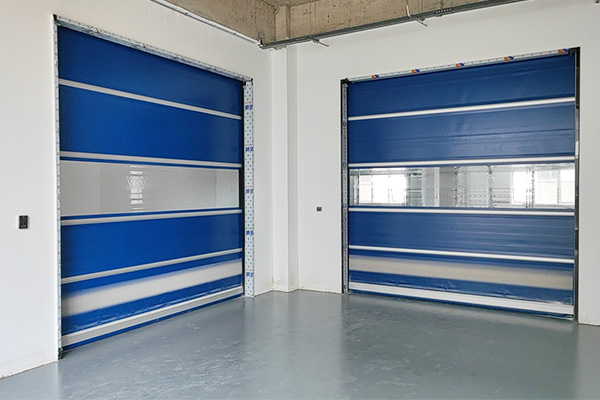
Una puerta industrial está diseñada específicamente para entornos de alta demanda donde la durabilidad, la seguridad y la funcionalidad son primordiales. A diferencia de las puertas comerciales, que pueden utilizarse en entornos minoristas o de oficinas, las puertas industriales están construidas para soportar las tensiones únicas de las operaciones de fabricación, logística y almacenes. Estas puertas están diseñadas para proporcionar un rendimiento duradero bajo un uso frecuente, condiciones climáticas adversas y posibles impactos de maquinaria o tráfico pesado.
Diferencias con las Puertas Comerciales.
Resistencia y Durabilidad
Las puertas industriales están construidas con materiales resistentes como acero, aluminio o materiales compuestos reforzados, lo que garantiza que puedan soportar tráfico pesado, impactos de maquinaria y un uso de alta frecuencia. En contraste, las puertas comerciales suelen estar hechas de materiales más ligeros y no están diseñadas para el mismo nivel de tensión o resistencia a impactos.
Tamaño y Diseño.
Las puertas industriales suelen tener dimensiones más grandes para acomodar puntos de acceso amplios para camiones, montacargas o equipos, mientras que las puertas comerciales tienden a ser más pequeñas, a menudo para acceso peatonal o de vehículos en espacios de oficinas o minoristas.
Las puertas industriales suelen estar automatizadas y diseñadas para operar con una intervención manual mínima, aumentando la eficiencia en entornos concurridos. Las puertas comerciales, por otro lado, a menudo se operan manualmente o utilizan mecanismos menos sofisticados.
Funcionalidad
Resistencia Climática y Aislamiento.
Muchas puertas industriales están diseñadas para manejar temperaturas extremas, presión del viento y condiciones climáticas. Las puertas comerciales generalmente no están construidas para tales extremos y pueden carecer de las propiedades de aislamiento térmico necesarias para entornos sensibles a la temperatura.
Factores Clave de Rendimiento.
Factor Clave de Rendimiento
| Descripción Breve | Las puertas industriales están fabricadas con materiales de alta resistencia para soportar el uso frecuente, el impacto mecánico y los entornos adversos. |
|---|---|
| Durabilidad | Seguridad. |
| Con cerraduras reforzadas, construcción robusta y materiales de alta resistencia para garantizar la protección de activos y personal. | Aislamiento y Eficiencia Energética. |
| Equipadas con un aislamiento eficiente para controlar temperaturas y reducir el consumo de energía, ideales para almacenamiento en frío y entornos sensibles al clima. | Velocidad y Automatización. |
| Las puertas de alta velocidad se abren y cierran rápidamente, mejorando la eficiencia operativa con sistemas automatizados que reducen la intervención manual. | Resistencia al Fuego. |
| Las puertas cortafuegos proporcionan una protección esencial, evitando la propagación del fuego y salvaguardando al personal y la propiedad durante emergencias. | Características de Seguridad. |
| Incluye elementos de seguridad como sensores infrarrojos y cortinas de luz para prevenir lesiones y garantizar la seguridad en zonas de alto tráfico. | Principales Tipos de Puertas Industriales y sus Ventajas. |
Elegir la puerta industrial adecuada para su instalación es crucial para mejorar la eficiencia, la seguridad y la protección. Las puertas industriales vienen en varios tipos, cada uno diseñado para aplicaciones específicas. Comprender las diferencias y beneficios de cada tipo le ayudará a tomar una decisión informada que mejor se adapte a sus necesidades operativas. A continuación, exploramos los principales tipos de puertas industriales,
destacando sus características, ventajas y casos de uso ideales. Resumen, Las puertas enrollables son uno de los tipos más comunes de puertas industriales. Estas puertas consisten en lamas horizontales que se enrollan alrededor de un tambor al abrirse, lo que las hace ideales para áreas de alto tráfico con espacio limitado.
Puertas enrollables
Características Clave:
Eficiencia de Espacio.
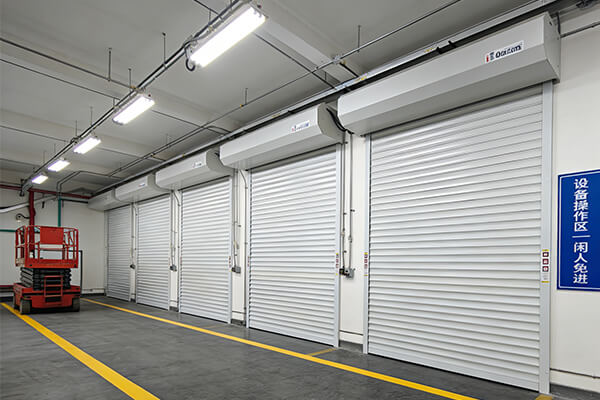
: Estas puertas requieren un espacio libre mínimo y no necesitan espacio adicional para abrirse o cerrarse, lo que las hace perfectas para entornos con poca altura libre.:
- : Fabricadas en acero, aluminio o metal galvanizado, las persianas enrollables ofrecen una excelente durabilidad y seguridad.: Disponibles en opciones manuales, motorizadas y automáticas para facilitar su uso.
- DurabilidadMejores Aplicaciones.
- PersonalizaciónAlmacenes.
garajes:
- muelles de carga, donde el espacio y la seguridad son prioridades., y Propiedades comerciales y.
- espacios minoristas donde es necesario un acceso fácil. Beneficios Las puertas enrollables requieren poco mantenimiento y ofrecen una excelente protección contra intrusiones, lo que las convierte en una excelente opción para mejorar la seguridad y la eficiencia operativa.
Benefits:
Roll-up doors are low-maintenance and offer excellent protection against intrusions, making them a great choice for enhancing security and operational efficiency.
Puertas Seccionales de Techo
Características Clave:
Las puertas seccionales de techo están compuestas por múltiples paneles que se desplazan hacia arriba y quedan paralelos al techo. Este tipo de puerta es especialmente popular en entornos que requieren un alto aislamiento térmico y soluciones que ahorren espacio.
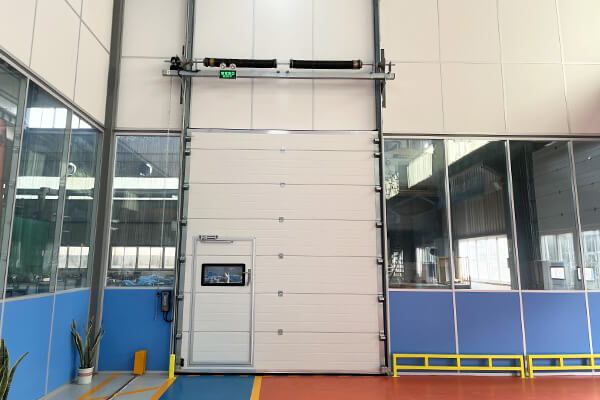
: Estas puertas requieren un espacio libre mínimo y no necesitan espacio adicional para abrirse o cerrarse, lo que las hace perfectas para entornos con poca altura libre.:
- Funcionamiento Suave: Estas puertas se mueven verticalmente, garantizando que no haya obstrucción en el área delantera o trasera de la puerta.
- Opciones de Aislamiento: Las puertas seccionales pueden equiparse con paneles aislados, ideales para mantener el control de temperatura en almacenes o instalaciones de refrigeración.
- Seguridad Robusta: Disponibles con mecanismos de cierre mejorados, que proporcionan un alto nivel de seguridad.
garajes:
- Almacenes industriales, Centros logísticos, y Talleres de reparación automotriz.
- Adecuadas para entornos con alto tráfico y donde la optimización del espacio es una consideración clave.
Benefits:
Altamente personalizables, las puertas seccionales ofrecen ahorro energético mediante el aislamiento, lo que las convierte en una opción atractiva para empresas que buscan mejorar la eficiencia operativa.
Puertas Enrollables de Alta Velocidad
Características Clave:
Las puertas enrollables de alta velocidad están diseñadas para entornos que requieren apertura y cierre rápidos para optimizar los flujos de trabajo. Estas puertas están construidas para soportar un uso frecuente y acelerar las operaciones, mejorando la productividad.
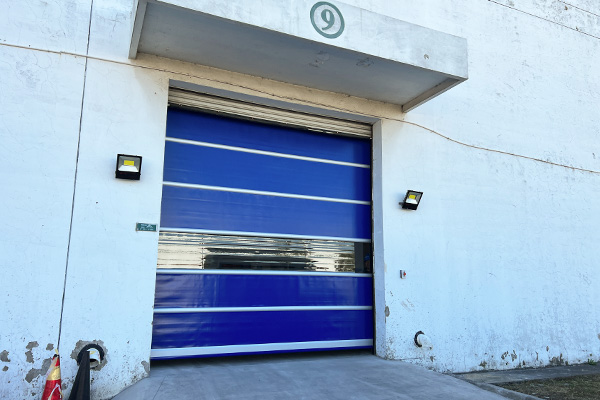
: Estas puertas requieren un espacio libre mínimo y no necesitan espacio adicional para abrirse o cerrarse, lo que las hace perfectas para entornos con poca altura libre.:
- Operación Rápida: Estas puertas pueden abrirse y cerrarse en menos de 10 segundos, facilitando operaciones fluidas y reduciendo los tiempos de espera.
- Durabilidad: Las puertas de alta velocidad están fabricadas con materiales reforzados, como tela, acero y aluminio, lo que las hace ideales para aplicaciones industriales de alto tráfico.
- Automatización: A menudo automatizadas, las puertas de alta velocidad pueden integrarse con sensores, permitiendo que funcionen automáticamente sin necesidad de intervención manual.
garajes:
- Plantas de procesamiento de alimentos, Salas limpias, Instalaciones farmacéuticas, y Áreas de almacenamiento en frío.
- Adecuadas para empresas donde la velocidad y la higiene son cruciales, como en las industrias alimentaria o farmacéutica.
Benefits:
Las puertas de alta velocidad son energéticamente eficientes y contribuyen a reducir la pérdida de aire, especialmente en entornos sensibles a la temperatura. Sus capacidades de automatización se alinean con la creciente demanda de instalaciones más inteligentes y eficientes.
Puertas Cortafuegos
Características Clave:
Las puertas cortafuegos están diseñadas específicamente para resistir la propagación del fuego y el humo, protegiendo tanto al personal como a los activos. Estas puertas son esenciales para cumplir con las normas de seguridad contra incendios y evitar que los riesgos de incendio se agraven.
: Estas puertas requieren un espacio libre mínimo y no necesitan espacio adicional para abrirse o cerrarse, lo que las hace perfectas para entornos con poca altura libre.:
- Las puertas cortafuegos proporcionan una protección esencial, evitando la propagación del fuego y salvaguardando al personal y la propiedad durante emergencias.: Disponibles en varias clasificaciones (generalmente 30, 60 o 90 minutos), estas puertas están fabricadas con materiales como acero o vidrio reforzado para soportar altas temperaturas.
- Cumplimiento de Seguridad: Estas puertas cumplen con estrictas regulaciones europeas de seguridad contra incendios, garantizando el cumplimiento de los códigos de construcción locales.
- Cierre Automático: Muchas puertas cortafuegos cuentan con mecanismos de cierre automático, asegurando que permanezcan cerradas durante una emergencia de incendio.
garajes:
- Plantas de fabricación, Instalaciones de almacenamiento químico, y Zonas de incendio dentro de complejos industriales.
- Requeridas en áreas donde la seguridad contra incendios y la contención son esenciales.
Benefits:
Estas puertas son un requisito legal en muchos entornos industriales, y su uso garantiza el cumplimiento de las normativas de salud y seguridad, lo que las convierte en un elemento imprescindible para instalaciones que manejan materiales peligrosos.
Puertas Aisladas y para Almacenamiento en Frío
Características Clave:
Las puertas para almacenamiento en frío están diseñadas para mantener temperaturas constantes en entornos de refrigeración y congelación. Son esenciales para empresas que almacenan productos sensibles a la temperatura, como alimentos, productos farmacéuticos y químicos.
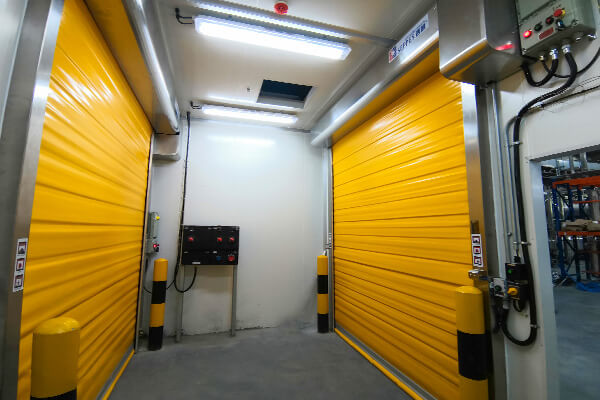
: Estas puertas requieren un espacio libre mínimo y no necesitan espacio adicional para abrirse o cerrarse, lo que las hace perfectas para entornos con poca altura libre.:
- Aislamiento Superior: Estas puertas cuentan con altos valores R, que ayudan a mantener la temperatura interna deseada y reducir el consumo de energía.
- Resistencia a la Corrosión: Fabricadas con materiales como acero inoxidable o compuestos duraderos, las puertas para almacenamiento en frío pueden soportar las condiciones exigentes de los entornos refrigerados.
- Ajuste Personalizado: Disponibles en varios tamaños para satisfacer las necesidades específicas de diferentes instalaciones de almacenamiento en frío.
garajes:
- Plantas de procesamiento de alimentos, Almacenamiento farmacéutico, y Almacenes de productos químicos.
- Ideal para empresas que buscan mejorar la eficiencia energética en áreas refrigeradas.
Benefits:
Las puertas para cámaras frigoríficas son energéticamente eficientes y ayudan a las empresas a reducir los costos energéticos, lo que las convierte en una inversión inteligente para instalaciones centradas en el control de temperatura y la sostenibilidad.
Cómo elegir la puerta industrial para almacén adecuada
Volumen de tráfico
La evaluación: Estime cuántas veces se utiliza la abertura por hora.
- Ciclo bajo
- Ciclo alto
Control ambiental e higiene
La evaluación: ¿Qué está tratando de mantener dentro o fuera?
La regla:
Temperatura: Para almacenes frigoríficos o con calefacción, priorice las puertas seccionales aisladas o las puertas de alta velocidad con un valor U bajo (alta resistencia térmica) para minimizar la pérdida de energía.
Higiene: En los sectores de procesamiento de alimentos o farmacéutico, las puertas deben sellar herméticamente contra el polvo, los insectos y los contaminantes. Busque puertas de enrollado rápido con tecnología de riel de “cremallera” que crea un sello casi hermético y superficies lisas y fáciles de limpiar.
Requisitos de resistencia al viento
La evaluación: ¿Está la puerta ubicada en una pared exterior, particularmente en un área costera o abierta?
La regla: Las grandes superficies actúan como velas durante las tormentas. Instalar una puerta con una clasificación de resistencia al viento insuficiente puede provocar que la cortina salga de las guías, dejando su instalación insegura.
Selección: Asegúrese de que sus puertas exteriores cumplan con la Clase de Resistencia al Viento EN 12424 específica (por ejemplo, Clase 3 o 4) requerida para su zona geográfica. Las persianas de acero de servicio pesado o las puertas plegables con barras de viento horizontales reforzadas son el estándar para estas ubicaciones expuestas.
Velocidad vs. Seguridad
La evaluación: ¿Necesita acceso rápido durante el día, pero una seguridad tipo fortaleza por la noche?
La regla:
La solución integral: Las puertas rígidas de aluminio en espiral ofrecen lo mejor de ambos mundos: velocidades de apertura de hasta 2,0 m/s para el flujo logístico, pero se bloquean como una pared de metal sólido durante la noche.
La estrategia de “doble puerta”: Una táctica común de ahorro de costos es instalar una puerta de PVC de alta velocidad para operaciones diurnas detrás de una persiana enrollable de acero de servicio pesado, que se cierra solo cuando la instalación no está tripulada. Esto separa la función de eficiencia de la seguridad física.
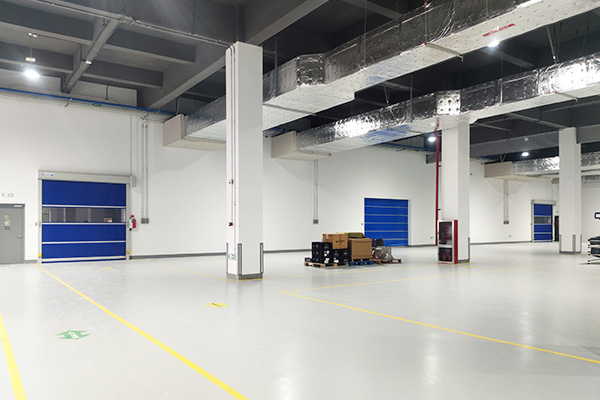
Tipos de materiales para puertas industriales y características de rendimiento
Opciones de materiales
Elegir el material adecuado afecta los costos de mantenimiento, la resistencia a la corrosión y los niveles de seguridad.
- Acero galvanizado (el estándar de la industria)
- Aluminio (ligero y resistente a la corrosión)
- PVC y tela (rendimiento de alta velocidad)
- Acero inoxidable (higiene y resistencia a ácidos)
Métricas de rendimiento
Al comparar hojas de datos, concéntrese en estos números críticos para evaluar el rendimiento en el mundo real.
- Eficiencia Térmica
- Clasificación de resistencia al viento
- Clasificación de vida útil del ciclo
- Velocidad de Apertura
Automatización y sensores de seguridad
- Sensores de seguridad sin contacto (cortinas de luz)
- Sensores de movimiento y presencia (radar)
- Detectores de presencia: Los sensores infrarrojos previenen accidentes.
- Sistemas de interbloqueo: Utilizados en salas limpias o zonas de seguridad. La puerta A no puede abrirse hasta que la puerta B esté completamente cerrada, asegurando un sello de aire constante o un búfer de seguridad.
En conclusión, comprender los sus características únicas y las mejores aplicaciones para cada una, brindándole la información necesaria para tomar una decisión informada para su negocio. y sus factores clave de rendimiento es esencial para tomar decisiones informadas que se alineen con las necesidades de su instalación. Ya sea durabilidad, seguridad, aislamiento, velocidad, resistencia al fuego o características de seguridad, cada factor juega un papel crucial en la optimización de la eficiencia operativa y en garantizar el cumplimiento de las normas de seguridad. Al seleccionar el tipo de puerta adecuado, puedo mejorar el flujo de trabajo, aumentar la seguridad y reducir los costos a largo plazo. En última instancia, elegir la puerta industrial correcta es una inversión tanto en la seguridad como en la eficiencia de mi negocio.
Preguntas frecuentes
¿Cuáles son los principales tipos de puertas comerciales e industriales?
Los principales tipos de puertas comerciales e industriales incluyen puertas enrollables, puertas seccionales, puertas de alta velocidad, sistemas de puertas correderas, puertas de enrollado rápido, puertas de servicio y varias puertas metálicas, como puertas de metal hueco o configuraciones de puertas de acero. Las puertas de garaje comerciales, las puertas resistentes a impactos y las puertas de tráfico son comunes en edificios comerciales y unidades industriales. A diferencia de las puertas residenciales, estas puertas de servicio pesado priorizan la durabilidad, la protección contra incendios y el control de acceso.
¿En qué se diferencian las puertas enrollables de las puertas enrollables de alta velocidad o rápidas?
Las puertas enrollables estándar y las puertas de enrollado rápido ahorran espacio y son resistentes a las manchas, pero las puertas de alta velocidad y las puertas rápidas están diseñadas para ciclos frecuentes y apertura/cierre rápido para mantener el control climático y el flujo de trabajo. Las puertas enrollables suelen ser de acero o aluminio y son adecuadas para uso comercial e industrial; las puertas rápidas y de alta velocidad a menudo utilizan tela reforzada o metal ligero para lograr una operación más rápida y reducir el tiempo de inactividad.
¿Cuándo debo elegir puertas seccionales en lugar de puertas correderas o plegables correderas?
Las puertas seccionales son ideales para espacios comerciales aislados y proporcionan un buen rendimiento térmico, lo que las hace adecuadas para almacenes y muelles de carga. Las puertas correderas o plegables correderas son mejores cuando hay espacio libre lateral disponible y se necesitan grandes aberturas claras sin obstrucción superior. Elegir la puerta comercial adecuada depende de las limitaciones de espacio, los patrones de tráfico y las opciones de personalización, como inserciones de ventanas y puertas o paneles de visión.
¿Cuáles son las opciones de puertas de seguridad y seguridad comercial disponibles para espacios comerciales?
Las opciones de seguridad comercial incluyen puertas de acero reforzado, puertas de metal hueco, rejillas de seguridad para puertas y sistemas integrados de control de acceso. Las puertas metálicas, a menudo de acero inoxidable o aluminio, pueden combinarse con cerraduras de alta seguridad, alarmas y acristalamiento resistente a impactos para puertas de vidrio. Para entornos comerciales e industriales, considere puertas de servicio pesado, puertas de tráfico y modelos de puertas de servicio con resistencia a manipulaciones para una mayor seguridad.
¿Cómo selecciono la puerta comercial adecuada para protección contra incendios y seguridad?
La selección de la puerta comercial adecuada para protección contra incendios implica elegir puertas con clasificación de resistencia al fuego (protección contra incendios), como puertas cortafuegos de acero o compuestas, puertas de metal hueco con etiquetas certificadas de resistencia al fuego, y puertas seccionales debidamente selladas con mecanismos de cierre automático. Asegure el cumplimiento de los códigos locales para edificios comerciales y verifique las certificaciones, las aberturas para ventanas y puertas, y la compatibilidad con los requisitos de acceso de emergencia y evacuación.
¿Cuáles son los beneficios de las puertas metálicas frente a las puertas de vidrio en entornos industriales?
Las puertas metálicas —ya sean de acero, acero inoxidable o aluminio— ofrecen durabilidad, seguridad y protección contra incendios superiores, lo que las hace adecuadas para condiciones industriales adversas. Las puertas de vidrio proporcionan luz natural y visibilidad, pero a menudo requieren marcos reforzados o acristalamientos para cumplir con los requisitos de seguridad comercial y resistencia al impacto. Las soluciones híbridas con paneles de visión pueden equilibrar la visibilidad con el rendimiento de servicio pesado esperado en aplicaciones industriales y comerciales.
¿Existen tipos específicos de puertas industriales adecuados para entornos de alto tráfico o almacenamiento en frío?
Los entornos de alto tráfico se benefician de puertas de alta velocidad, puertas rápidas de enrollamiento y puertas enrollables duraderas que minimizan el tiempo de apertura y reducen el intercambio climático. Para almacenamiento en frío, las puertas seccionales aisladas o las puertas rápidas de enrollamiento especializadas para cámaras frigoríficas mantienen la integridad térmica. Considere puertas de servicio pesado y puertas de tránsito diseñadas para ciclos frecuentes, y seleccione materiales —acero o aluminio y sellos adecuados— para garantizar la eficiencia energética y la longevidad.
¿Qué opciones de personalización y mantenimiento debo esperar al elegir tipos de puertas industriales?
Las opciones de personalización incluyen tamaño, niveles de aislamiento, acristalamiento (paneles de ventanas y puertas), acabados, control de acceso, automatización y materiales especializados como acero inoxidable o puertas de metal hueco. El mantenimiento generalmente implica inspecciones regulares de rieles, resortes, motores, sellos y sensores de seguridad, lubricación de piezas móviles y reparaciones oportunas para minimizar el tiempo de inactividad. Al seleccionar la puerta que necesita, considere los costos del ciclo de vida, la garantía y la compatibilidad con los sistemas de seguridad comercial y protección contra incendios.

