
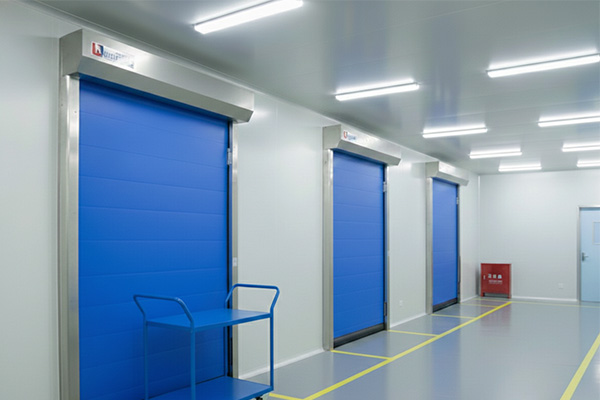

دليل 2026 لأبواب التخزين البارد عالية السرعة: تقليل فقدان الطاقة وتعزيز العائد على الاستثمار
مقدمة
في لوجستيات سلسلة التبريد، يؤثر أداء الأبواب بشكل مباشر على كفاءة الطاقة واستقرار درجة الحرارة. في بيئات التخزين البارد عالية الحركة، يمكن أن يؤدي بطء تشغيل الأبواب إلى تبادل حراري، ودخول الرطوبة، وزيادة استهلاك الطاقة. وسيؤثر ذلك على كل من أداء النظام وجودة المنتج.
مع توجه المنشآت نحو معايير كفاءة أعلى في عام 2026،, أصبح باب التخزين البارد عالي السرعة يُستخدم بشكل متزايد لتقليل فقدان الطاقة وتحسين العائد على الاستثمار. بفضل سرعات الفتح الأسرع، والإحكام الفعال، والتوافق مع سير العمل الآلي، تدعم هذه الأبواب التحكم المستقر في درجة الحرارة مع تقليل الاضطرابات التشغيلية.
يشرح هذا الدليل كيف تساعد أبواب التخزين البارد عالية السرعة في تحقيق التوازن بين العزل الحراري وتدفق الحركة، وتقليل فقدان الطاقة الخفي، وتلبية متطلبات الأداء الحديثة للتخزين البارد.

حل نقاط الألم الأساسية: لماذا تفشل الأبواب الصناعية القياسية
في بيئات التخزين البارد، غالباً ما تقصر الأبواب الصناعية القياسية عن تلبية المتطلبات التشغيلية. تم تصميم أبواب التخزين البارد عالية السرعة خصيصاً لمعالجة أوجه القصور هذه.
هدر الطاقة
- المشكلة: تعمل الأبواب القياسية ببطء، غالباً بسرعات تبلغ 0.2 متر/ثانية. يسمح وقت الفتح المطول هذا بكميات كبيرة من الهواء البارد بالهروب والهواء الدافئ الرطب بالدخول.
- التأثير: يجب أن تعمل أنظمة التبريد بجهد أكبر للتعويض عن ارتفاعات درجة الحرارة، مما يؤدي إلى تكاليف مرتفعة وتآكل المعدات.
- الحل: تعمل الأبواب عالية السرعة بسرعة تصل إلى 0.8 متر/ثانية. تعمل دورات الفتح والإغلاق السريعة على تقليل تبادل الهواء بشكل كبير وتقليل استهلاك الطاقة.
الاختناقات التشغيلية
- المشكلة: تعطل الأبواب بطيئة الحركة تدفق البضائع. يجب على مشغلي الرافعات الشوكية التوقف والانتظار حتى يفتح الباب بالكامل، مما يخلق تأخيرات في المناطق عالية الحركة.
- التأثير: انخفاض إنتاجية المستودع وانخفاض كفاءة اللوجستيات.
- الحل: الاستجابة السريعة لباب اللف السريع تسمح بتدفق عمل مستمر.
مخاطر الصقيع والسلامة
- المشكلة: تتحول الرطوبة التي تدخل عبر الأبواب البطيئة بسرعة إلى تكاثف وجليد. يحدث هذا على مسارات الأبواب، والستائر، وأرضية المستودع.
- التأثير: يمكن أن يتسبب تراكم الجليد في انحشار الأبواب ويخلق أرضيات زلقة، مما يشكل خطراً كبيراً على سلامة الأفراد والآلات.
- الحل: تشتمل أبواب التخزين البارد السريعة المتخصصة على كابلات تدفئة مدمجة في المسارات الجانبية وستائر معزولة متعددة الطبقات. تمنع هذه الميزات تكون الصقيع، مما يضمن بقاء المدخل آمناً وعملياً في جميع الأوقات.
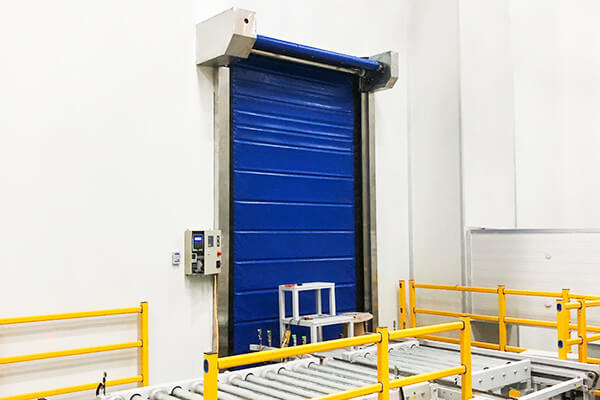
الخصائص التقنية الرئيسية لأبواب التخزين البارد عالية السرعة في عام 2026
العزل الحراري المتقدم (قيمة R عالية)
- الميزة: ستائر مركبة متعددة الطبقات مع نوى رغوية حرارية عالية الكثافة.
- الفائدة: توفر هذه الستائر قيماً عالية لـ R (المقاومة الحرارية)، مما يمنع بشكل كبير انتقال الحرارة بين غرفة التجميد ومنطقة التحميل. يضمن ذلك بقاء درجات الحرارة الداخلية مستقرة، وحماية البضائع الحساسة، وتقليل الحمل على ضواغط التبريد.
تقنية السحاب ذاتية الإصلاح
- الميزة: تصميم سحاب مرن لا يحتوي على مكونات معدنية صلبة.
- الفائدة: تصادمات الرافعات الشوكية شائعة في المستودعات عالية الحركة. إذا تعرض الباب للاصطدام، تنفصل الستارة بأمان عن المسارات دون تلف. يقوم النظام بعد ذلك بإعادة ضبط الستارة تلقائياً في الدورة التالية، مما يلغي الحاجة إلى مكالمات الصيانة المكلفة ويمنع التوقف التشغيلي.
سرعة الفتح العالية
- الميزة: محركات سيرفو صناعية عالية التردد توفر سرعات بين 1.5 متر/ثانية و 2.5 متر/ثانية.
- الفائدة: الدورات السريعة هي الطريقة الأكثر فعالية لتقليل تبادل الهواء. من خلال الفتح والإغلاق الفوري، يمنع الباب “تأثير المدخنة“—الفقدان السريع للهواء البارد. هذه السرعة ضرورية للحفاظ على سلامة سلسلة التبريد خلال نوبات اللوجستيات عالية الحجم.
أنظمة التدفئة الذكية المضادة للصقيع
- الميزة: كابلات تدفئة منخفضة الجهد مدمجة داخل الأدلة الجانبية وأغطية المحركات.
- الفائدة: في البيئات دون الصفرية، يتحول التكاثف بسرعة إلى جليد. تحافظ التدفئة الذكية على المسارات والستائر خالية من الصقيع. يضمن ذلك بقاء الباب مرناً، ويزيل مخاطر السلامة المرتبطة بالجليد للأفراد والمركبات.
التحليل المقارن: الأبواب الصناعية الشائعة لبيئات سلسلة التبريد
| نوع الباب | سرعة الفتح | الكفاءة الحرارية | مقاومة الصدمات | حالة الاستخدام الأساسية |
| باب غرفة التجميد عالي السرعة | فائق السرعة (حتى 2.5 متر/ثانية) | ممتاز (ديناميكي) | عالي (ذاتي الإصلاح) | مراكز اللوجستيات عالية الحركة |
| باب التخزين البارد المنزلق | بطيء (0.15 – 0.3 م/ث) | جيد (للاستخدام الثابت فقط) | منخفض (قابل للتلف بسهولة) | الاستخدام الليلي / التخزين طويل الأمد |
| ستائر الشرائح البلاستيكية (PVC) | يدوي (المرور عبر المشي) | ضعيف (تسرب هواء مرتفع) | متوسط (عرضة للتآكل) | حواجز ثانوية منخفضة التكلفة |
| باب علوي مقطعي | بطيء (0.2 – 0.4 م/ث) | معتدل | معتدل | أرصفة التحميل الخارجية |
ملخصات فنية من جملة واحدة
- باب الفريزر عالي السرعة (الخيار الاستراتيجي): الحل الأكثر كفاءة للحفاظ على سلامة سلسلة التبريد في البيئات عالية التردد من خلال التشغيل السريع وتقنية الإصلاح الذاتي.
- باب التخزين البارد المنزلق: خيار شديد التحمل مصمم لتحقيق أقصى عزل ثابت خلال الفترات التي نادرًا ما يُستخدم فيها المدخل.
- ستائر الشرائح البلاستيكية (PVC): حاجز أساسي منخفض التكلفة يوفر حماية حرارية ضئيلة وغالبًا ما يفشل في تلبية معايير النظافة أو الإحكام الحديثة.
- الباب المقطعي المعزول: باب صناعي قياسي يوفر عزلًا متوسطًا لكنه يفتقر إلى السرعة وميزات منع الصقيع المطلوبة لإدارة الفريزر الداخلي.

التحليل: كيف تعمل أبواب التخزين البارد عالية السرعة على تحسين كفاءة الطاقة
تقليل التبادل الحراري للهواء
يُحدث فرق درجات الحرارة الكبير حملًا حراريًا سريعًا للهواء. تعمل أبواب التخزين البارد عالية السرعة على تقليل دورة الفتح، مما يقلل التبادل الهوائي بنسبة تصل إلى 80%. وتضمن فترة التعرض الأقصر هذه أن نظام التبريد يتطلب طاقة أقل للحفاظ على درجات الحرارة المضبوطة.
خفض الحمل على المبخر
يُعد دخول الرطوبة المحيطة السبب الرئيسي لتكوّن الجليد على المبخر. يحد الإغلاق السريع من دخول الرطوبة، مما يسمح بفترات أطول بين دورات إزالة الصقيع. يؤدي هذا التخفيض إلى توفير الكهرباء المستخدمة في عناصر التسخين ويمنع اكتساب الحرارة الثانوي داخل غرفة التبريد.
تعزيز الإحكام
غالبًا ما تحتوي الأبواب الصناعية التقليدية على فجوات تسمح بتسرب مستمر للهواء البارد. تتميز أبواب التخزين البارد عالية السرعة الحديثة بأنظمة إحكام معززة في المسارات والقاعدة. يحافظ هذا التصميم على الإحكام حتى تحت فروق الضغط، مما يلغي فقدان الطاقة في وضع الإغلاق.
الحفاظ على كفاءة التبريد
تؤدي التقلبات المتكررة في درجات الحرارة إلى إجبار الضواغط على العمل بمستويات تحميل عالية غير فعالة. تساعد الأبواب عالية السرعة في الحفاظ على مناخ داخلي ثابت. وهذا يسمح لوحدات التبريد بالعمل ضمن نطاق معامل الأداء (COP) الأمثل، مما يطيل عمر المعدات ويخفض ذروة الطلب على الطاقة.
الخلاصة: اختيار الشريك المناسب
من خلال خبرتي، يُعد المدخل النقطة الأكثر حرجًا في أي منشأة خاضعة للتحكم بدرجة الحرارة. أنظر إلى الانتقال إلى باب التخزين البارد عالي السرعة ليس كترقية للمعدات، بل كخطوة لتحصين عملياتك ضد ارتفاع تكاليف الطاقة ولوائح السلامة الأكثر صرامة. من خلال الاستثمار في أبوابنا السريعة المعزولة اليوم، أساعدك على تأمين سلسلة تبريد موثوقة، وحماية منتجاتك، وتحقيق عائد استثماري ملموس لسنوات قادمة.
: يضمن التسلسل المتحكم به عدم فتح بابين في منطقة انتقالية (غرفة معادلة الضغط) في وقت واحد، مما يحافظ على استقرار ضغط الهواء.
السؤال الأول: كيف يوفر الباب عالي السرعة الطاقة في الفريزر؟
يوفر الباب السريع القابل للطي الطاقة من خلال العمل بسرعات تصل إلى 2.0 م/ث، مما يقلل بشكل كبير من الوقت الذي يبقى فيه المدخل مفتوحًا. من خلال تقليل مدة التبادل الهوائي (الحمل الحراري)، يقل هروب الهواء المبرد ودخول الهواء الدافئ الرطب إلى المنشأة. يحافظ ذلك على درجات حرارة داخلية مستقرة ويمكن أن يقلل الحمل الطاقي على ضواغط التبريد بنسبة تصل إلى 40%.
السؤال الثاني: ما نوع الباب المستخدم في التخزين البارد؟
تستخدم مرافق التخزين البارد عادةً ثلاثة أنواع رئيسية من الأبواب الصناعية اعتمادًا على تكرار الحركة والمتطلبات الحرارية:
- أبواب الفريزر السريعة المعزولة: مصممة للمناطق عالية الحركة حيث يكون الفتح والإغلاق السريع ضروريًا للحفاظ على سلسلة التبريد أثناء العمليات اللوجستية النشطة.
- أبواب التخزين البارد المنزلقة: أبواب شديدة التحمل تُستخدم لتحقيق أقصى عزل ثابت خلال الليل أو فترات الحركة المنخفضة.
- الأبواب المقطعية الفولاذية: تُستخدم بشكل أساسي في أرصفة التحميل الخارجية لتوفير مزيج من الأمان والحماية من العوامل الجوية.
السؤال الثالث: ما هو الباب السحابي ذاتي الإصلاح؟
الأبواب السريعة السحابية ذاتية الإصلاح هي أبواب صناعية عالية السرعة بحافة ستارة مرنة دون مكونات معدنية صلبة. صُمم النظام لإعادة إدخال الستارة تلقائيًا في الأدلة الجانبية خلال دورة الرفع التالية، مما يلغي وقت التوقف للصيانة.
السؤال الرابع: ما الاتجاه الذي يحل محل الأبواب القابلة للطي؟
الاتجاه الحالي في الصناعة هو استبدال الأبواب القابلة للطي التقليدية بـ الأبواب الرأسية عالية السرعة القابلة للفرد. تُفضل أنظمة الفرد عالية السرعة لأنها توفر سرعات دورة أسرع بشكل ملحوظ، وإحكامًا فائقًا، وبصمة تشغيلية أصغر. على عكس الأبواب القابلة للطي التي تحتوي على مفصلات أفقية معقدة وآليات أبطأ، فإن الأبواب الرأسية القابلة للفرد أكثر متانة ويسهل دمجها مع تقنيات منع الصقيع والإصلاح الذاتي.

